
What are we doing to our land? A challenge to NZ farmers

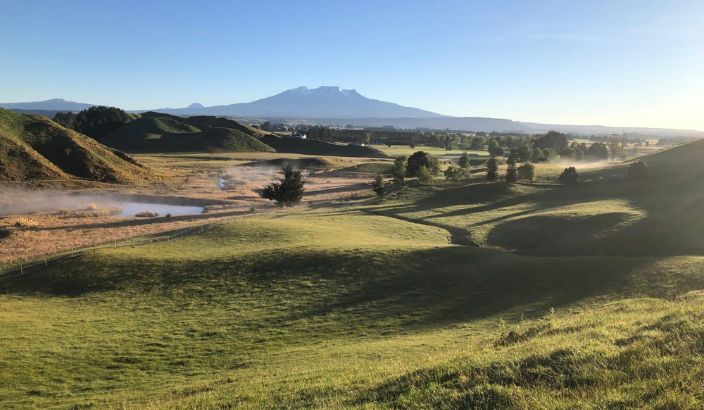
From above, paddocks may look healthy. But dig down, and many soils are showing real signs of strain. Photo: Supplied.
John Barnes, Fertilizer New Zealand
New Zealand farmers have always valued stewardship. We talk about leaving the land better than we found it, yet a confronting question is emerging: what is actually happening to our soils?
From above, paddocks may look healthy. But dig down, and many soils are showing real signs of strain. Compaction is increasing, organic matter is dropping, fertiliser responses are weakening, and soils are becoming more vulnerable to dry periods and pests.
For years our attention has centred on nutrients and production, and while both remain essential, we’ve overlooked something equally important: soil biology.
The idea that soil is alive is not new. As early as the late 1800s, scientists discovered that soil is a complex ecosystem. Bacteria, fungi, and microscopic organisms break down organic matter, release nutrients, form soil structure, and support plant roots. Biological fertility was recognised as vital, but as farming intensified, this part of soil health slowly faded from focus.
Today, the land is reminding us. Pastures are not lasting as long. Water runs off rather than soaking in. Compaction layers are forming more quickly. And pests such as grubs are appearing in higher numbers.
These are all signs of a system losing its natural balance. When soil biology declines, structure weakens, roots struggle, and the soil becomes less resilient. If the soil could speak, it might simply say, “I am tired.”
Healing soil doesn’t mean stepping away from modern farming. It means rebuilding the living processes that make farming productive in the first place.
Biology drives structure. Structure improves water movement. Water supports deeper roots. And stronger roots support better pasture performance. When the biological engine is restored, the whole system strengthens.
Fertilizer New Zealand has taken a proactive role in helping farmers bring this balance back. While nutrients remain important, they recognised early that nutrients alone cannot secure long-term soil health.
Rebuilding biology must sit alongside fertiliser use. One of the tools supporting this approach is VITALIFE, a biological soil product containing beneficial microbes and fungi. These organisms help unlock nutrients already in the soil, support deeper and stronger root systems, improve structure, and help the soil naturally suppress certain pests.
VITALIFE is easy to apply with standard equipment and works especially well in cooler conditions where biology establishes quickly. It fits neatly into normal farm routines while helping restore the natural processes soils depend on.
For farmers, the shift begins with intention. When soil is treated as a living system, thinking changes. Reintroducing biology becomes the next step. As beneficial organisms return, the soil begins to repair itself. Structure improves, organic matter builds, water is held more effectively, fertiliser becomes more efficient, and pasture responds with renewed energy. Farmers who take this step often say they didn’t realise how tired their soil had become until they saw it come back to life.
This leads to an important question for every New Zealand farmer: will your soil be more alive in ten years, or less? Will you keep pushing soils that are slowly weakening, or help them recover their natural strength? Will the next generation see that we rebuilt soil life, or wonder why we ignored it?
The future of New Zealand farming will be shaped by those who restore soil biology. If you are ready to begin that journey, talk with your local Fertilizer NZ field advisor about how VITALIFE can help your soil recover. The land is ready for change. Are we?
For more information, contact 0800 337 869 or visit www.fertnz.co.nz