
Cherry growers urge early purchases

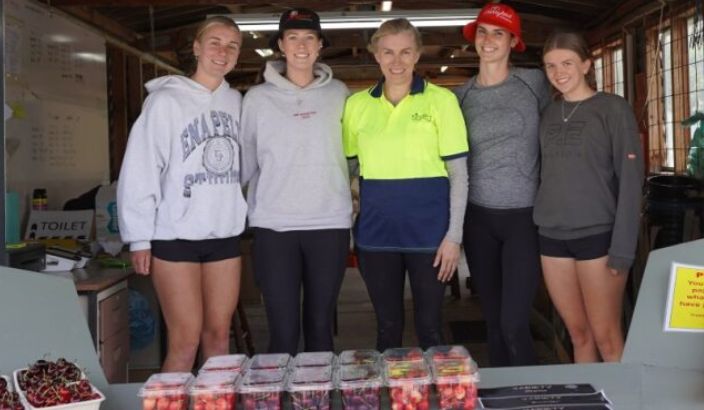
Cherryland's Anna Hurren, Lucy Campbell, Nicola Whyte, Annabelle Barnes and Phoebe Whyte take a quick break between harvest. Photo: William Woodworth.
The tradition of travellers stopping at Marlborough cherry stalls will continue this year, but locals are being urged to get their holiday fruit early.
The cherry season has arrived a week earlier than Marlborough’s commercial growers usually expect, and each grower had one clear message - buy your cherries early.
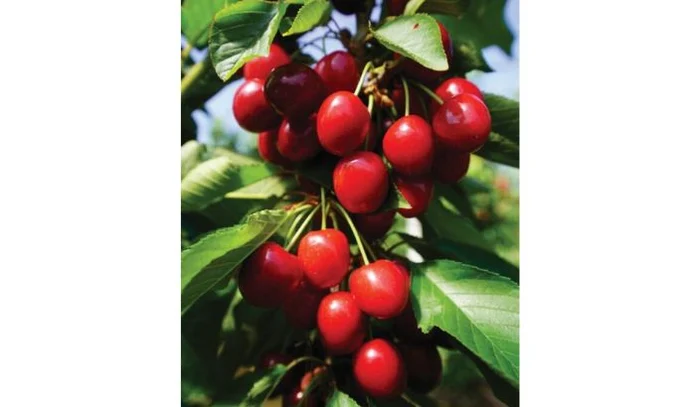
Despite some rain during prime harvest – that could have been a fruit-splitting catastrophe – Cherryland’s Nicola Whyte, Caythorpe’s Simon Bishell and Cherrybank Orchard’s Blair McLean report an average to good harvest.
“Whether pre-picked or pick-your-own, both fruit demand and harvest are looking great, with good sunshine hours putting flavour in the fruit”, says Nicola amidst a harvest delivery at the barn.
“Our demand only gets stronger ahead of Christmas, but the season running a week early means cherries are highly unlikely to be available after, so I’d encourage Marlborough to get theirs as soon as possible.”
Cherries have just 60 to 70 day growing season, which makes the season highly intensive.
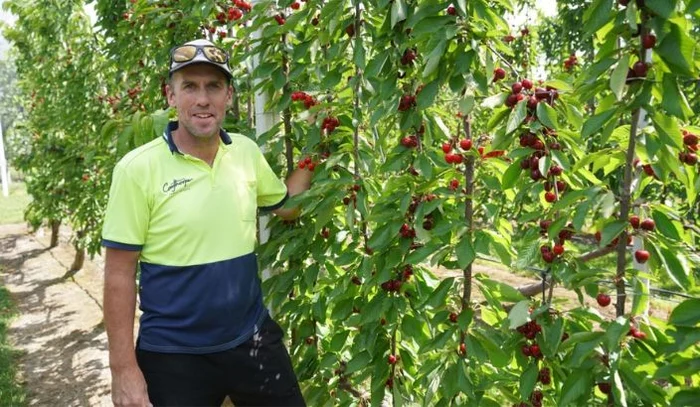
Simon says Caythorpe has faced challenges processing the quantity this year, bringing a new orchard online using an vertical growing technique.
“It’s a busy, exciting and stressful time all compressed into a few weeks. We need to pick the cherries when they’re ripe and delicate for their varietal, with sugar levels around 17 to 18%, because unlike bananas or avocados they stop ripening once picked,” Simon says.
“We want to leave them as long as possible, as it’s like a slow cook versus a fast fry, but we’re also juggling the weather if rain is forecast, we pick as much as we can beforehand.
“There will be a rush as always leading up to Christmas, and this year’s early maturation means supplies run out sooner – I wouldn’t be looking for them on Christmas Eve.”
“We have a range of varieties within trees as well as here, as it helps spread labour requirements and reduces the risk of poor fruit set caused by spring weather. If one varietal is impacted, it doesn’t ruin the whole harvest.”
“This vertical technique has a lot of set-up cost, but it reduces labour demand, so we can harvest faster with fewer pickers producing larger, firmer and tastier fruit, which with good management lasts 30 to 50 years”.
Up the road, Blair says Cherrybank’s crop is “pretty normal”.
“Certain varieties are heavier and lighter depending on their reaction to the weather during their growing season, which is roughly in the middle,” Blair says.
“But even our latest picking varieties like Lapins are starting to pick soon, so locals should be getting theirs either picked or packaged as soon as possible.”
While growers have dealt with unseasonal rain, they’ve fought off major damage in a range of ways from rain covers to helicopters to plain luck.
While Caythorpe has had to use helicopters on its original trees, the new orchard installed rain covers to protect the crop.
“The rain was cold and intense, and for Cherryland it was at the time of ripening of fruit in between varieties, so it’s had minimal impact on our crop,” describes Nicola.
“Having nine helicopter passes over three weeks to dry just halfway through the harvest season is not ideal but it’s a worthwhile investment using that downdraft to push moisture off the top of the cherry, or else it’s the whole harvest at risk,” Blair says.
“Demand has been steady now already, and because it’s a short season the next while gets chaotic trying to pick, pack and sell as fast as possible until a few days before Christmas. Now we just need a nice run into Christmas for hot Marlborough days to get the best from the final fruit.”