
Opinion: Trade for all

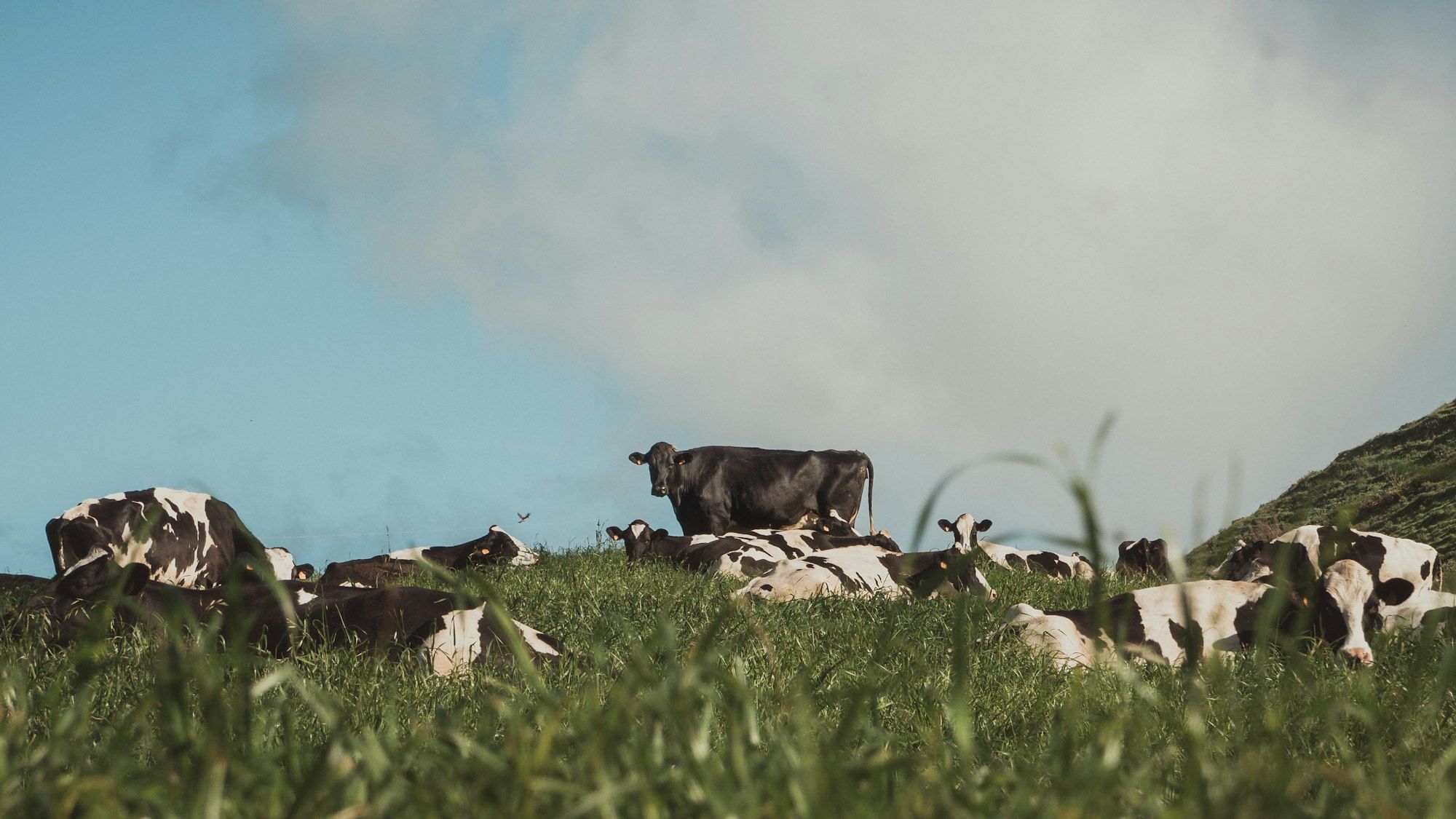
From our paddocks to global markets — Kiwi farmers rely on fair trade to keep rural communities thriving. Photo: Marco Fernandes.
Damien O’Connor, List MP Labour
As farmers and growers we understand the need to have somewhere to sell the efforts of our hard work for a fair return. As a small trading nation that produces a lot of food that means to overseas customers.
Trade has been long been part of our history for both Māori and pakeha. As it evolved beyond refrigeration, containers and technology we have faced constant opposition from producers and manufacturers in our export markets. At the time, here in New Zealand growing concern evolved about the effects of open borders on jobs and incomes. Trade was seen as money for a few companies but pain for many workers.
More recently, a similar internal unrest was the platform for Donald Trump to win workers’ votes and impose tariffs, selling the idea that trade barriers create benefits. The wider wisdom of interaction and interdependence through trade creating greater understanding and cooperation between nations, got lost in a chorus of concerned and confused community voices. Around the world, trade ministers and governments faced pressure to shut down trade and reintroduce tariffs and non-tariff barriers. We faced a wave of protectionist and independence policies that continue today and threaten the prosperity of small trading nations like New Zealand.
To counter Kiwis’ concerns, Labour in government implemented a Trade for All policy that ensured we both consulted and considered the impact of trade agreements on small medium enterprises (SMEs), women, workers, Māori, and the environment. This approach restored the social licence to negotiate agreements like CPTPP, RCEP, UK and EU free trade agreements (FTA). All those deals included a growing number of requirements relating to broader issues of social and environmental responsibility. In some areas, such as modern slavery and animal welfare, our prospective trade partners demanded more than our policy required. However, ultimately the principles of our Trade for All policy has delivered comprehensive and progressive commercial opportunities for our nation. And it allowed our trade partners in each deal to sell the wider merits of what was agreed on their side too.
The incoming coalition government made noises that Trade for All was some kind of woke commerce. But even in its recent trade deals with the UAE and GCC, reference to progressive areas of labour laws and environmental sustainability have been included. This is good progress. Now the Coalition Government is seeking Labour’s support to conclude the NZ/India FTA as NZ First once again takes an alarmist approach to immigration as it did with the NZ/China FTA that Labour concluded in 2008, which has delivered huge opportunities for NZ exporters and importers.
While this deal with India was rushed and could have been more astutely managed, the age-old question of a bird in the hand vs two in the bush arises. This is a deal that delivers little for dairy, our largest export sector, but does open the door to the world’s most populous markets in many other areas such as wool, wood and wine. The National Party should be reflecting on many of its previous reactions to trade deals negotiated by Labour.
They should accept the long-term wisdom of the Trade for All framework as trade affects every New Zealander. Engaging in a genuinely bipartisan manner on future trade deals would reduce vulnerability and uncertainty and ensure a more secure and progressive future for Aotearoa New Zealand.