
When hormones hit: Perimenopause, Unfiltered
Women Who Lunch Marlborough isn’t about polite small talk. Known for its bold, factual and sometimes spicy approach to life’s big transitions, the event series creates space for connection, confidence and unfiltered truth. Ahead of their Perimenopause, Unfiltered event on 27 February, Morgan Penn, Dr Jordan Gibbs, Dr Rachael Thomas, Dr Bex Bell and Tamara Gillan unpack why perimenopause deserves a place in the spotlight.
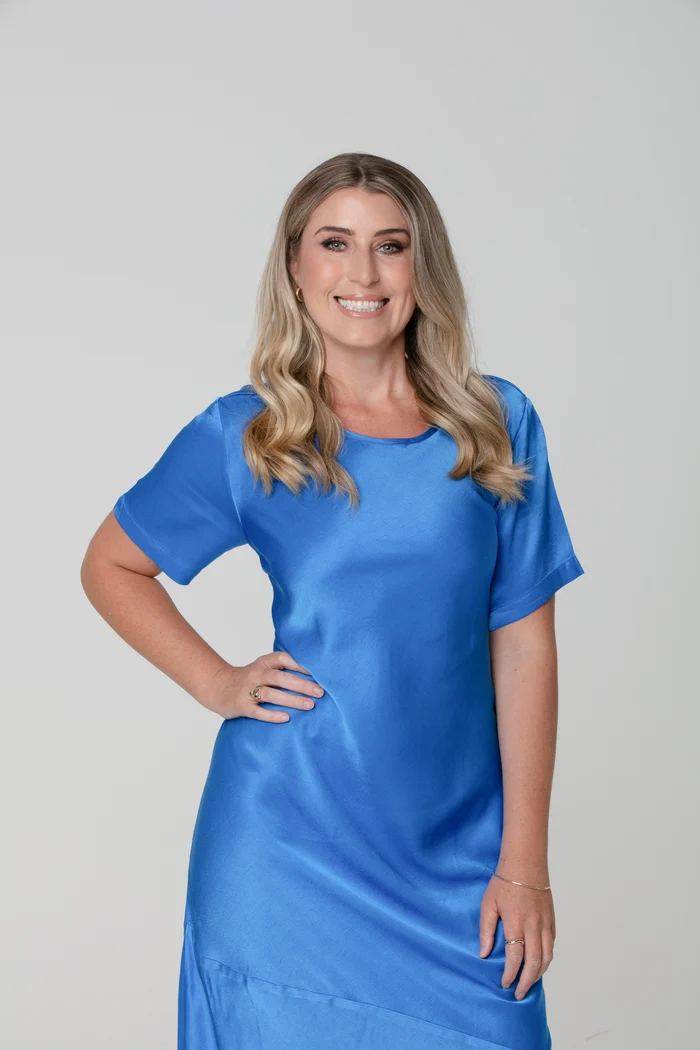
Morgan Penn | Somatic Sexologist and creator of the multi-award-winning podcast Sex.Life
How can perimenopause impact desire, arousal and pleasure?
Your body may feel like it is doing a whole new thing. Desire is affected, sex may feel less spontaneous, and orgasms may drop, feel ‘muted’, or be harder to reach. It’s good to understand that what’s happening in the body is a massive hormonal fluctuation, not failure. Estrogen, progesterone and testosterone are no longer predictable. Blood flow, nerve sensitivity, mood, sleep and stress tolerance can all be disrupted. When those systems wobble, pleasure does too.
I wish more people understood that this isn’t the body “giving up,” or that you’re not a sexual sensual being anymore – you are just in a season. Desire often shifts from spontaneous to responsive, meaning it doesn’t just show up out of nowhere anymore – it arrives after safety, rest, connection, novelty, or intentional touch. The biggest hack is communicating your new needs, even if you don’t know what they are, ask for patience and support to help figure that out together. That will bring the closeness.
For women who feel shut down or disconnected from pleasure, where do you suggest they start?
I suggest starting outside of sex, with attention to sleep, blood sugar, stress,
boundaries, and safety. Pleasure can’t bloom in a body that feels depleted or on edge. Then move gently into touch without an outcome. Curiosity instead of expectation. If you’re partnered, focus on your new relationship with yourself first. If you feel confident in your body that will translate to partnered sex.
Perimenopause has a way of burning down the ‘good girl.’ View hot flushes as the burning of one’s old self – the sooner we surrender to it, the sooner we can focus on what we enjoy and what feels good, now. What used to work for you sexually may no longer. This phase can be confronting but also wildly liberating. Reclaiming pleasure is a radical act of power. We need to rewire and reorient to the subtleties of pleasure. Focus on the relationship with yourself and what your body responds to – your new ‘body map.’

Dr Jordan Gibbs | General Practitioner
Why is it important that women better understand perimenopause and the role of MHT?
HRT (Hormone Replacement Therapy) is the older name. It’s familiar, which is why so many people still use it. MHT (Menopausal Hormone Therapy) is the more accurate term. It focuses on treating symptoms of menopause and perimenopause, not just ‘replacing’ hormones. MHT is the most effective treatment for menopause and perimenopause symptoms that there is. I see a lot of women really suffering with symptoms before they reach their line in the sand. If we can empower women to understand what is happening, and how to ask for help, we can improve quality of life for so many women.
What are the top three myths about perimenopause you want to bust?
First, ‘That you can only use MHT hormones if your periods have stopped’. Wrong. Treatment can support women before menopause too. Second, ‘Perimenopause is just about having hot sweats/flushes’. Nope. Mood changes, sleep issues, painful sex – they all matter. Third, ‘MHT will make me get breast cancer or heart disease’. The risk is misunderstood. For many women, treatment options are not only safe, but life changing.
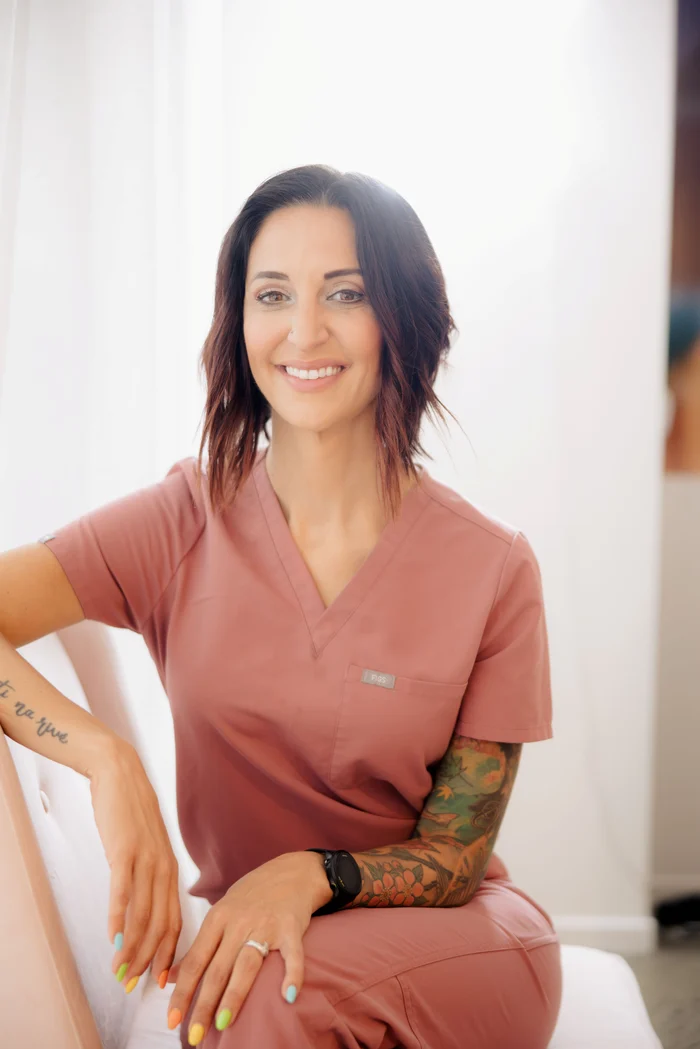
Dr Rachel Thomas | Cosmetic Injector and Emergency Medicine Physician
What are the most overlooked signs of menopause?
Many fail to recognise that mental health symptoms, such as the exacerbation of
underlying conditions like depression, anxiety, or ADHD, can be linked to hormonal changes.
Often, women assume their mental health is simply worsening or they are not ‘coping’ as well. However, hormonal fluctuations during perimenopause may be contributing to these changes. Additionally, changes in skin and bone health are also significant but often unnoticed.
Hormonal fluctuations can lead to thinning skin, the loss of fat pads in the face, and a decrease in bone mass. These changes contribute to the visible signs of aging, particularly in the facial area.
At what point should women seek medical advice about perimenopause?
There’s no one-size-fits-all answer. However, no symptom is too minor to warrant a conversation with your GP. The earlier you initiate the dialogue, the sooner you and your doctor can begin tracking and monitoring your symptoms. This early partnership helps build a strong working relationship, making it easier to plan an effective management strategy.
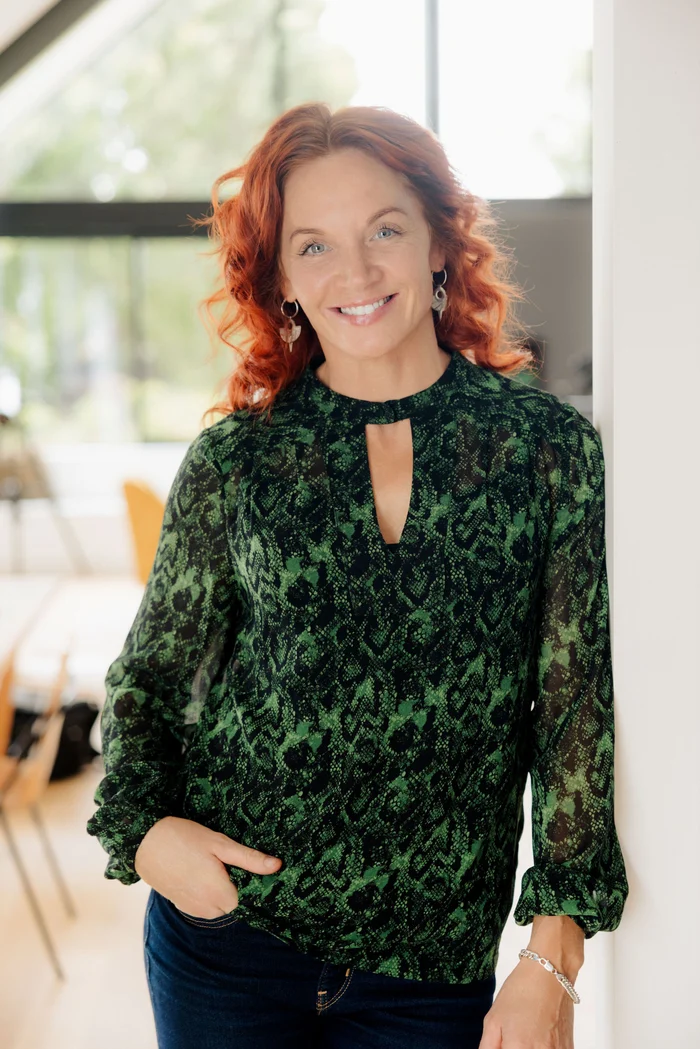
Dr Bex Bell | Mindset & Behaviour Change Coach
What are some key messages you would like to impart?
You’re not broken! This is a normal phase of life. It feels abnormal because we don’t talk about it enough. If your confidence feels shaky, it’s not because you’ve lost capability, it’s because no one has explained what's happening in your mind and body yet, so your inner critic has stepped in to try and fill in the blanks. This phase of life is inviting you to lead yourself with more compassion, smarter boundaries, and deeper self-trust.
What are the top three punches that perimenopause can hit us with and how can we manage them?
From a psychological perspective, the top three punches are feeling like you’re losing yourself – brain fog, anxiety, emotional reactivity; the inner critic turning up louder than ever; and confidence taking a hit, not because you’re less capable but because the changes shake self-trust. To manage them, start by naming what’s happening without judgement, soften harsh self-talk, and focus on rebuilding trust in yourself through small acts of self-respect and setting boundaries. Confidence grows from care, not from pushing harder.

Tamara Gillan | Leadership Expert & Entrepreneur
From your time working with women at the top of their professional game, what common themes do you see?
Power comes from embracing complexity, not conforming to perfection. As Gillian Anderson says, “Our real power lies in embracing the full spectrum of our identities.” Even the most successful women experience imposter syndrome. It doesn’t disappear with achievement – it just shows up in different moments. The work is learning to quiet the trolls in our own heads and to remember, as Anya Hindmarch says, “You are better than you think you are.” And finally, your body is your foundation. Understanding and honouring underpins everything we do.
What advice do you give women struggling with confidence professionally?
Ask for honest feedback from someone you trust, then own their words. Anchor your confidence in reality, not self-doubt. Language also shapes authority. Confidence is a muscle; start by speaking up once in an important meeting. Don’t dilute your ideas with apologies. Begin with certainty and take up space. Stop comparing yourself to others. Confidence comes from contribution, not comparison. Learn from set-backs, but don’t internalise them as personal failure.