
Sponsored: A century in the furrow: Marlborough Ploughing Association celebrates 100 years

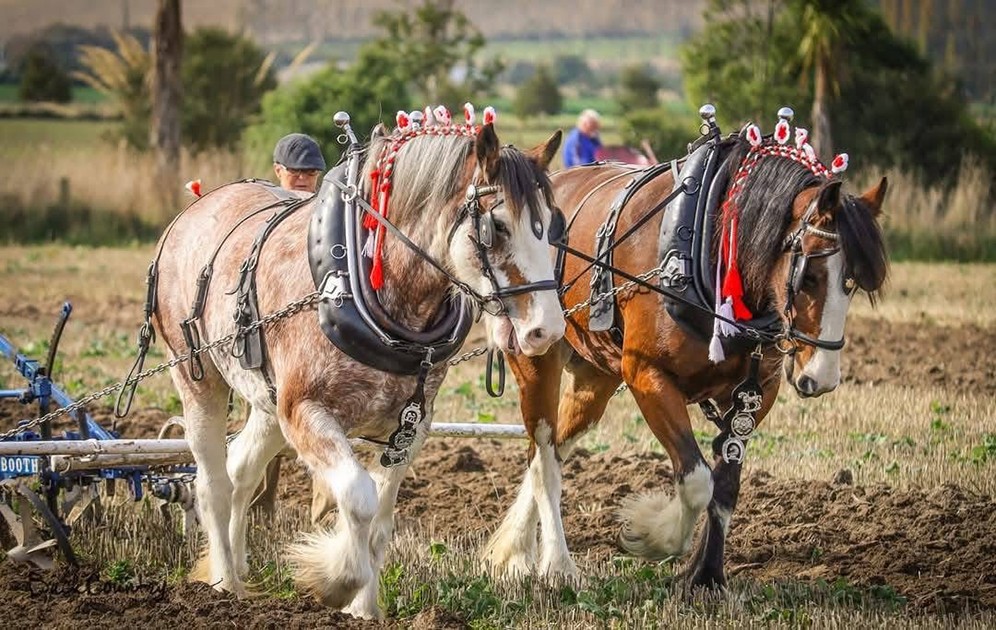
On Saturday 21 March, a paddock at Willowhaugh on Jacksons Road, Woodbourne will become the centre of a very special celebration of Marlborough’s rural heritage. Photo: Supplied.
On Saturday 21 March, a paddock at Willowhaugh on Jacksons Road, Woodbourne will become the centre of a very special celebration of Marlborough’s rural heritage. The Marlborough Ploughing Association will mark its 100-year milestone with a centenary match at the Jordan family farm, bringing together competitors, spectators and supporters to honour a century of skill, dedication and community spirit.
ADRIENNE MATTHEWS
While ploughing has been part of New Zealand agriculture for more than two centuries, this event celebrates the local organisation that has kept the tradition alive in Marlborough since 1926.
Despite enormous changes in farming technology and practices, competitive ploughing continues to attract participants across generations. Modern farming systems often rely more heavily on minimum tillage methods than traditional ploughing, but the sport itself remains strong.
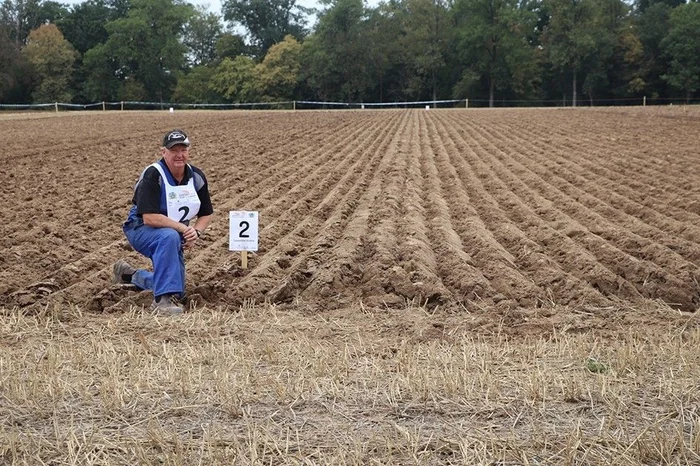
Local champion Ian Woolley believes the appeal lies in the challenge. “It’s one of those sports where there’s a lot of factors you have to be reasonably good at to actually succeed,” he says. “There’s concentration, precision and dedication. You’re always looking for things to be as near to perfect as you can get.”
Ian knows what it takes. He has won the New Zealand National Ploughing Championship eight times, claiming the prestigious Conventional Silver Plough on each occasion.
Asked why he has been so successful, his answer is simple. “Dedication,” he says. “It’s a passion. There’s a lot of practice that goes into it, and if you’re not dedicated you don’t get there.”
Ian has represented New Zealand at the World Ploughing Championships seven times, competing in Denmark, England, Kenya, Germany, the United States, the Republic of Ireland and Latvia.
When competing internationally, he takes his own machinery with him. “You put your tractor and plough in a forty-foot container and send it away,” he explains.
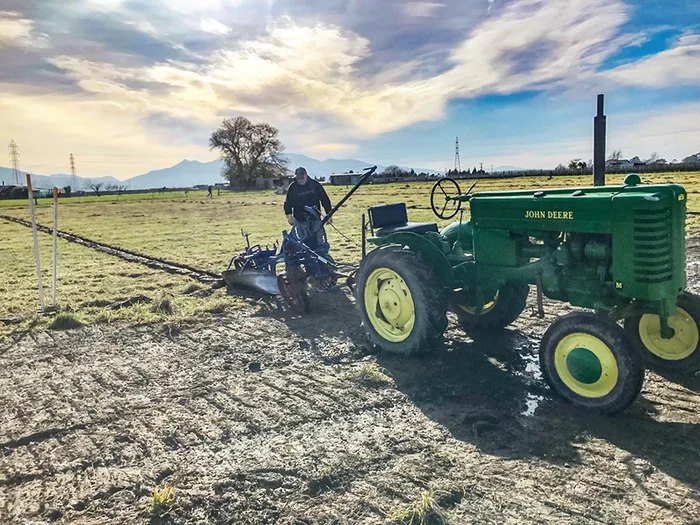
The tractor he used during his competitive years was a John Deere 5720, a machine well suited to ploughing competitions. While modern farm tractors often exceed 150 horsepower, competitive ploughing typically requires far less. “With a two furrow plough you really only need around sixty to eighty horsepower,” Ian says.
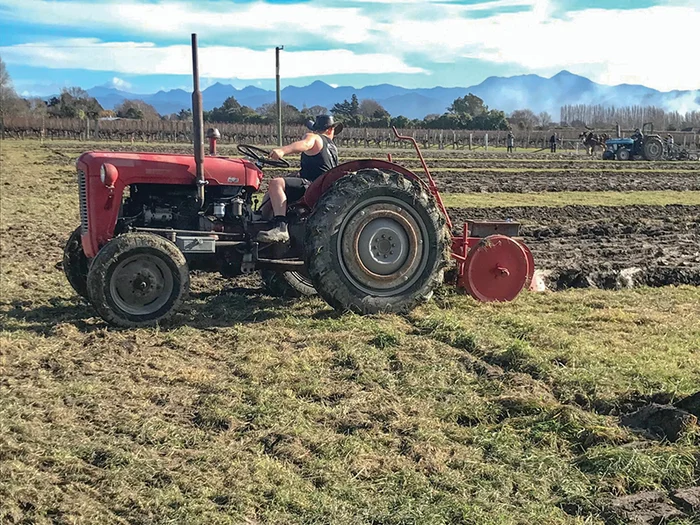
That practical reality is one reason the Vintage class has become so popular. Many competitors use older tractors passed down through their families. Machines that once worked everyday farm jobs now find a second life on competition paddocks.
This year’s centenary event will feature five competition classes: Conventional, Reversible, Contemporary, Vintage and Horses.
Conventional ploughing uses a traditional one-way plough and requires competitors to carefully divide the paddock into sections known as lands. Each competitor works methodically across these sections to produce straight, even furrows.
Reversible ploughing uses a hydraulic system that flips the plough body at the end of each run. This allows competitors to work continuously from one side of the paddock.
The Contemporary class is designed for novice competitors still learning the craft. To qualify for this category, entrants must not have previously competed at a New Zealand national final.
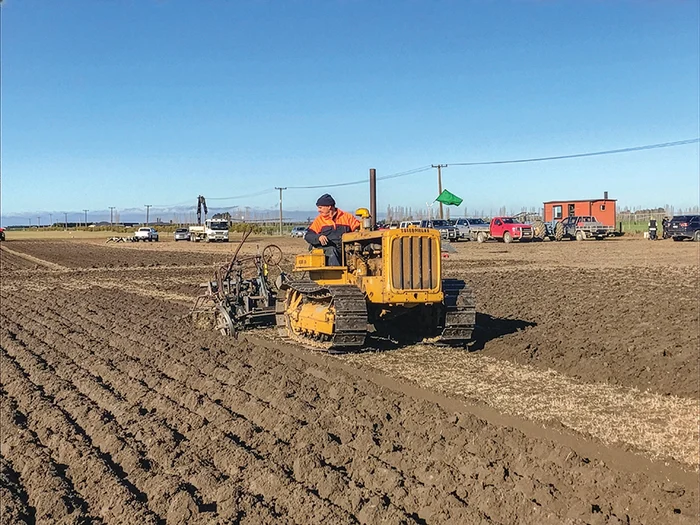
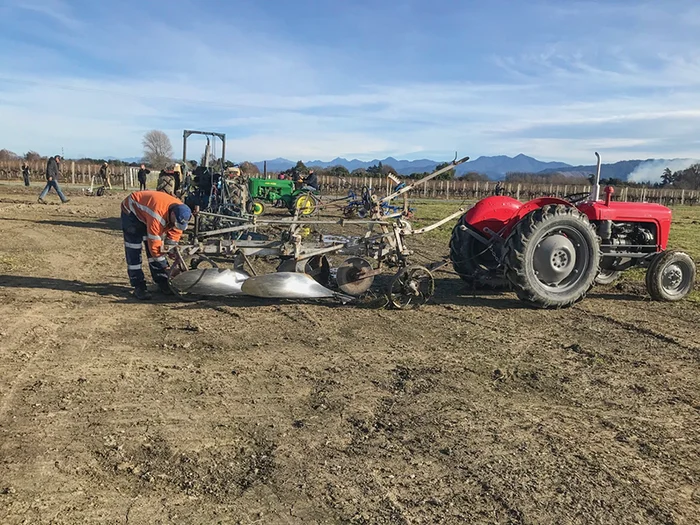
The Vintage class features tractors built before 1970, and ploughs manufactured in the mid twentieth century or earlier. For many spectators it is one of the most visually appealing parts of the day, with restored tractors lining up across the paddock.
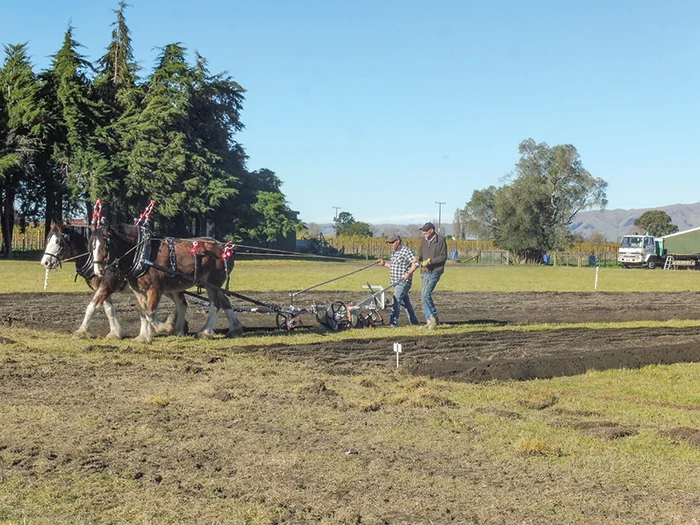
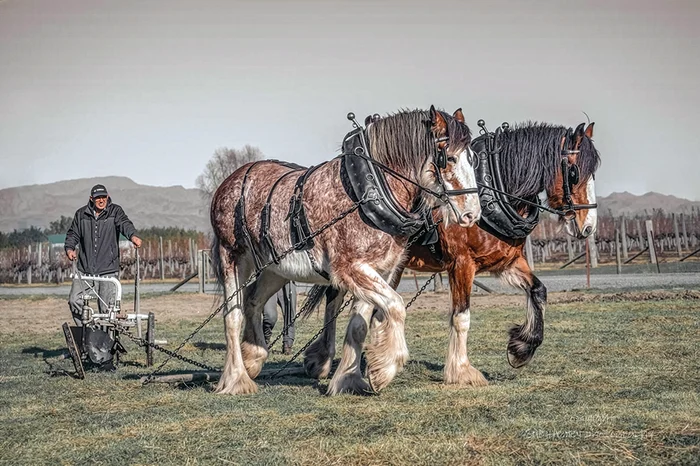
The Horse class provides an even deeper link to farming’s past. Watching horses working steadily in harness offers a reminder of how farming was carried out before the widespread use of tractors.
Competitors come from a wide range of ages, with entrants as young as sixteen and others approaching eighty. Women are also represented among the competitors, reflecting the inclusive nature of the sport today.
Encouragingly, organisers say the sport is attracting younger participants.
“We’ve got a good young field at the moment,” Ian says. “It’s about keeping them keen and interested. A lot of it happens through friends of friends and word of mouth. Once people get the bug, they’re hooked.”
The centenary event carries additional meaning because it will be dedicated to the late Ian Jordan, whose family farm Willowhaugh is hosting the day. The Jordan family has had a long association with ploughing in Marlborough, making the location particularly fitting for the milestone celebration.
As part of the ceremony, trophies will be rededicated for the next century of competition. “It is a symbolic gesture recognising the efforts of past competitors, organisers and volunteers who have sustained the Association over the decades,” explains the Association’s president Richard Cooke.
Marlborough ploughmen have also made their mark internationally. Three members of the Marlborough Association have competed at the World Ploughing Championships, achieving impressive results. Roger Jordan finished second in the world, Ian Woolley placed third, and Graham Gifford achieved a top six placing.
The region has also contributed to international leadership of the sport. Marlborough farmer Evan Fairhall served as New Zealand’s representative on the World Ploughing Organisation board in the 1960s, and Ian now holds that role today.
Beyond the competition itself, the centenary match is designed to be a full community day. Food stalls and trade displays will operate on site, and a police dog demonstration will provide additional entertainment for families.
Local businesses have strongly supported the event, reflecting the deep community ties the Association has built over the past century.
For many visitors, the day will be about more than watching ploughing. It will be a chance to reconnect with rural traditions and see a piece of Marlborough’s farming history brought to life.
As the first furrow is cut at 10am on 21 March, spectators will witness a scene that has changed surprisingly little over the past hundred years. Judges will measure lines carefully, competitors will concentrate intensely and the soil will roll cleanly from each furrow.
Straight lines across a paddock may seem simple, but in competitive ploughing they represent patience, precision and pride in doing a job well.
For the Marlborough Ploughing Association, those lines also represent a century of dedication and community spirit, and the hope that the tradition will continue for many years
to come.