
Picton fisher’s lifetime watching blue cod

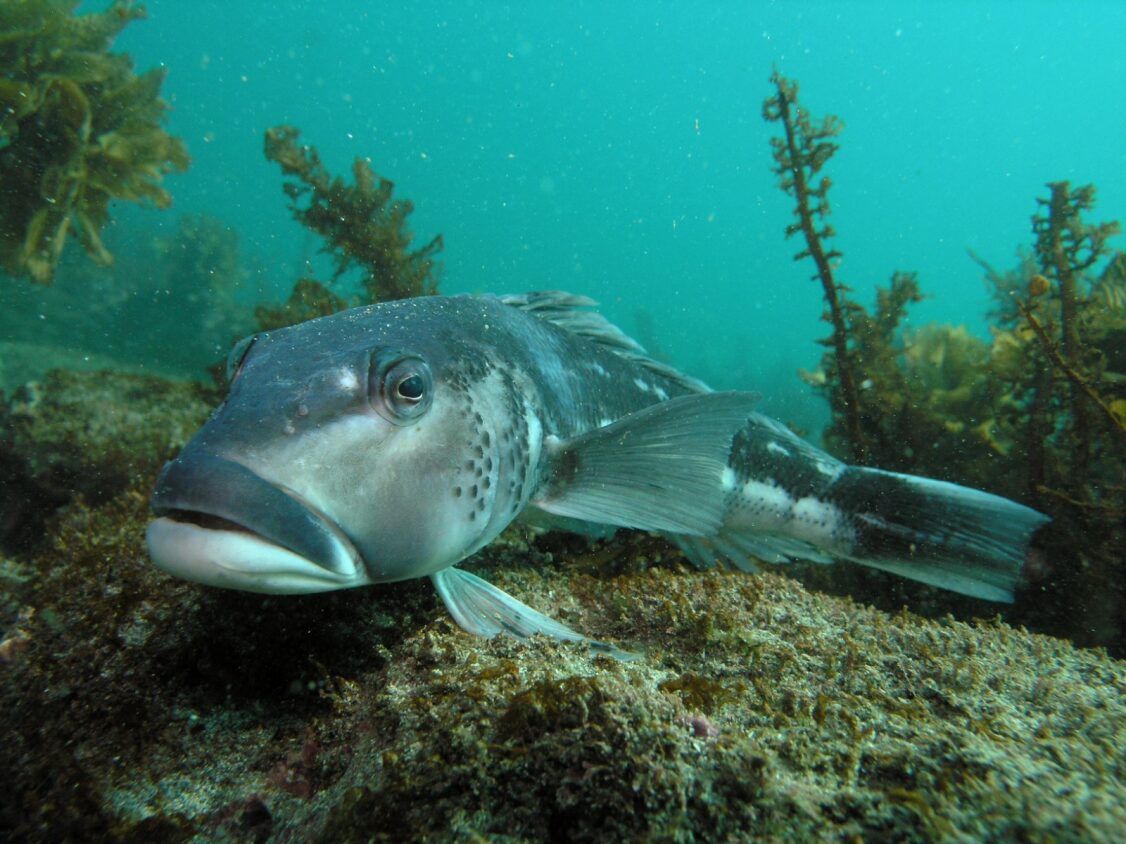
Fisheries New Zealand is continuing research into blue cod habitats, release mortality, and abundance trends. Photo: Supplied.
AMY RUSS
After nearly five decades living and fishing in Picton, Marlborough resident Piero Rocco has spent a lifetime observing one of the Marlborough Sounds’ most treasured species – blue cod.
Originally from a small fishing village in the Adriatic, Piero spent years as a commercial fisher and later as skipper of a marine biology research vessel before moving to New Zealand 48 years ago. Since settling in the Marlborough Sounds, he has been watching blue cod populations closely, sometimes involving students from Marlborough Boys’ College in informal field observations.
“Blue cod, which are not true cod but belong to the Pinguipedidae family, thrive along much of New Zealand’s coastline,” says Piero.
“They are most abundant in the cooler South Island waters and can grow to around 60 centimetres, weigh up to four kilograms, and live as long as 30 years. One of the species’ unique traits is its hermaphroditic life cycle. Around 80 percent of blue cod are born female, many of which change to male between three and five years of age, although some females never change sex, and a minority are born male.”
Piero has noticed shifts in population structure over the years. “In the last five or six years I’ve seen many more young cod, around one to three years old,” he says.
He attributes some of this increase to the ban on scallop dredging, which he believes has helped protect the seabed habitat where juvenile fish can shelter. He has also kept informal records during fishing trips, tracking interactions with predators like the New Zealand pied shag, which he observed taking more than 100 blue cod in a six-month period in 2024.
While Piero’s observations are personal rather than part of a formal scientific study, they offer a long-term, ground-level view of the fishery.
Official research by Fisheries New Zealand echoes some of these concerns.
Emma Taylor, Director Fisheries Management, notes that a 2021 NIWA survey found the Marlborough Sounds blue cod population to be stable but at low abundance, a trend seen in other blue cod fisheries nationwide.
Surveys conducted roughly every four years since 1995 indicate the fishery has long been under pressure, prompting measures such as daily catch reductions, the temporary Inner Sounds closure from 2008–2011, a seasonal closure now running 1 September to 10 January, and recent adjustments to commercial and recreational catch limits.
Other factors, Emma explains, also affect the fishery, including sedimentation, marine heatwaves, and mortality of released fish due to handling or predation. These pressures have contributed to a gender imbalance, with up to 82 percent of blue cod in the Sounds being male, affecting the spawning population.
Fisheries New Zealand is continuing research into habitats, release mortality, and abundance trends, and is working with advisory groups on proposals for local area closures to protect spawning grounds, with any changes subject to public consultation.
For Piero, however, it remains a story of passion and connection. “I’ve spent a lifetime observing these fish,” he says. “They’re fascinating, important, and a vital part of life in the Sounds. It’s about seeing them thrive for generations to come.”
For readers interested in local fisheries, see also this week’s companion story on Waikawa Fishing and king crabs here– another valuable part of our Sounds seafood mosaic.