
Save at the pump by increasing fuel efficiency
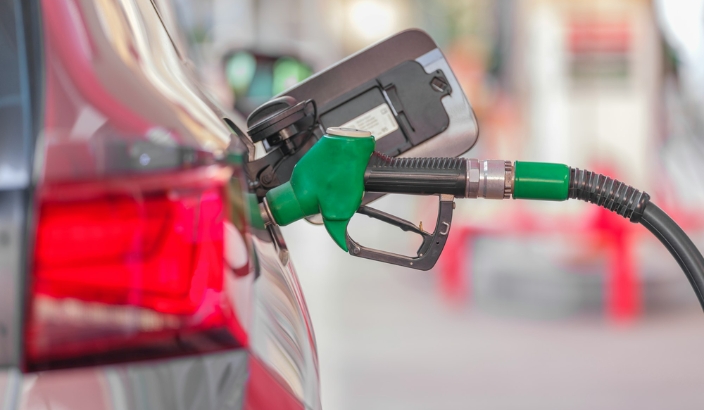
AA expert offers tips to drivers for reducing the amount of petrol use. Photo: Unsplash.
With oil prices rising faster than a helium balloon, motorists feel pinched at the pump. Short of putting the car on blocks and getting around by pedal power – or literal horsepower – conserving petrol with fuel efficiency offers a solution.
Ryan Bos, motoring adviser with AA, shared tips which Marlburians can consider for easing pressures on pocketbooks.
“It requires extra planning and careful driving to ensure fuel goes that extra mile,” he said by phone on Tuesday morning. “There are a few practical things that people can do. On their own, they don’t seem like they conserve much fuel – but together, and if you do them as much as you can, you will see a significant impact.”
Ryan advises:
· Drive smoothly. A “heavy foot” and revving up to pass vehicles on the highway “not only puts yourself at risk,” he said, “unnecessarily quick acceleration uses 10-40% more fuel.”
· Check tyres. When filling up the tank, use a tyre gauge to measure the air pressure. Underinflation by 5 PSI reduces fuel efficiency by 1%. A sticker on a panel, if not also the owners’ manual, should list the recommended PSI – and for times like the holidays when the vehicle is loaded, the guide is 4-5 PSI higher than the normal mark.
· Use A/C – sometimes. This may be a surprise, but Ryan says air con actually can save fuel! The proviso: When driving on the highway, drag from open windows is a bigger drain on petrol. In stop-and-go traffic and in town, though, rolling down the windows cools the car more fuel-efficiently.
· Try eco-mode. Vehicles manufactured in the past 10 years may have a setting that regulates stopping, idling and starting. This can add 4-10% to fuel efficiency. For older vehicles, Ryan said, “drive as economically as possible” – such as easing off the accelerator when nearing the peak of a climb and letting gravity slow the car in a curve.
· Combine trips. In the “extra planning” category, running multiple errands as opposed to a series of round trips reduces kilometres travelled and, thus, litres burned.
· Avoid peak times. As with errands, planning departures to coincide with light traffic reduces stops, starts and idling.
· Service on schedule. Routine maintenance may require a lump sum of money at one time but can reduce expenses over the long term. Ryan points to air filters, oil filters, fuel filters and spark plugs.
· Fuel up. Do not wait for the light to indicate the vehicle needs petrol – keep fuel in the tank. “It is important not to take risks,” Ryan relayed, noting drivers have pulled into stations only to find they’ve run out of gas. He suggests using an app such as Gaspy.
“Above everything,” Ryan added, “safety is still the most important thing. But a lot of these things that we’re recommending are also helpful for being safe on the roads.”