
Marlburians go batty for pekapeka
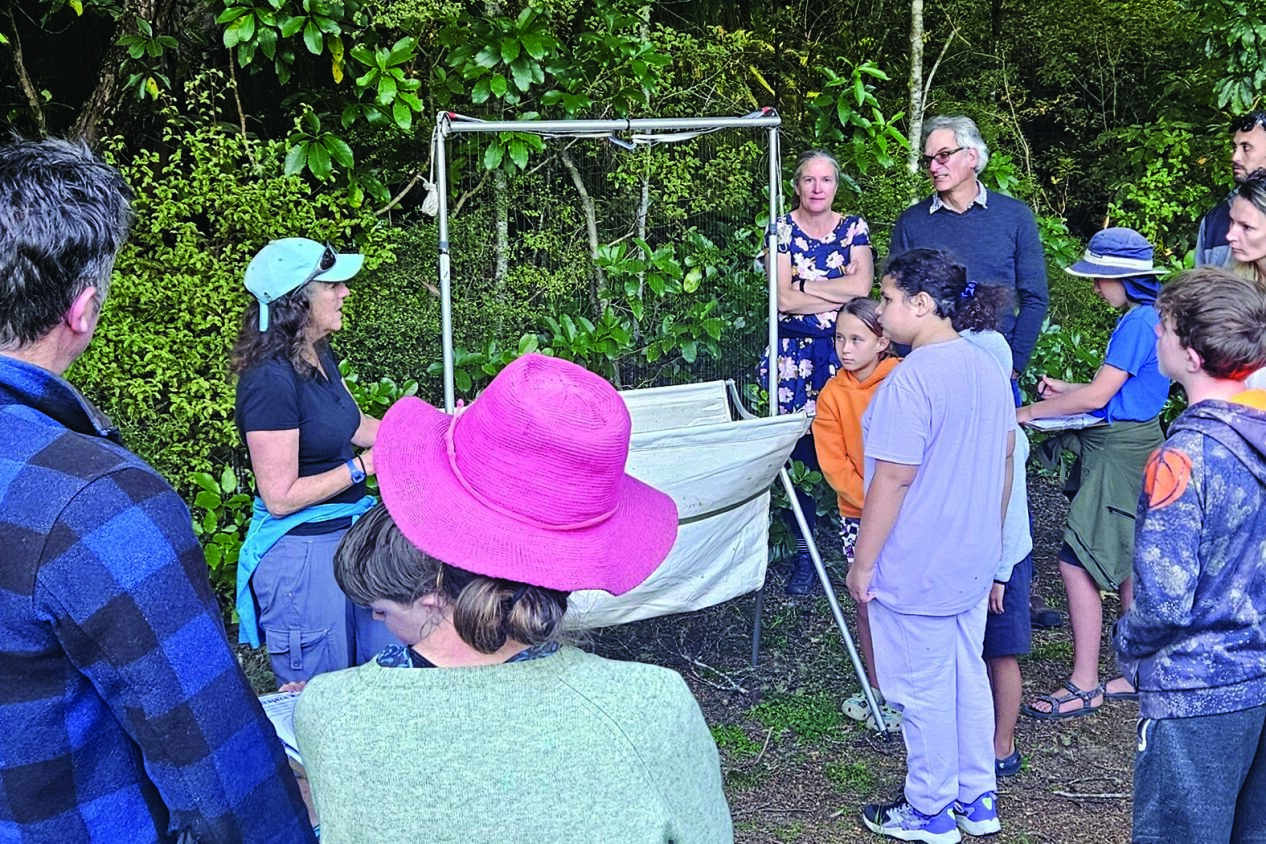
Nicki Eade, left, a bat monitor on the Te Hoiere Pekapeka Project, explains how a harptrap works during an education evening in December. Photo: Forest and Bird.
Does Chris Shaw have bats in his belfry? He certainly has bats on the brain. Consider his description of pekapeka, which sounds more befitting a soft puppy than the endangered species of flying mammals he works to protect.
“If you’ve seen the little critters, it’s hard not to fall in love,” he said by phone from Te Hoiere, their home by the Pelorus Bridge. “They’re ridiculously charismatic small bundles of fluff.”
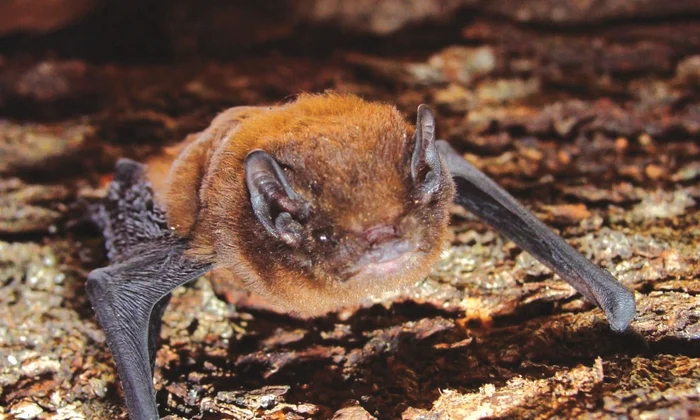
Wait … bats? Creatures of the night? Fangs, wings, dark eyes?
“It’s got all that vampirical connotations for some people,” Chris acknowledged. “That’s not something that I’ve ever thought about when I thought of bats. They’ve got tiny teeth – you’d be pretty unlucky for them to give you even a wee little wound to suck blood out of.
“Similar to mice, people seem to either find them charismatic or they don’t like them.”
Replacing superstition with information falls within the scope of the Te Hoiere Pekapeka Project, for which Chris is project manager. The initiative from conservation group Forest and Bird undertakes monitoring, pest-trapping and outreach activities in Marlborough and Nelson-Tasman.
Coming this week is International Bat Day, which falls on 17 April but locally will span two days. On Thursday afternoon, schoolchildren on holiday will get to experience “A Day in the Life of a Forest and Bird Pekapeka Monitor”; on Friday, Department Conservation cadets will help spread 180 rodent traps around the preserve.
Pekapeka-boo
The “little critters” at the heart of the Te Hoiere project hold significance in our ecosystem.
Bats are New Zealand’s only indigenous land mammals. DOC classifies the long-tailed bat population as “Nationally Critical” and the short-tailed bat as “Recovering” – but considers both “in danger of extinction.”
This is the call to action for Chris and his colleagues. It is why they take measures to preserve pekapeka and raise awareness of creatures many Marlburians may not see up close.
“This population is significant because it is one of the last populations in Te Hoiere, so if we don’t protect them, they’ll be gone from Marlborough,” he explained. “Any species we lose is a loss that we can’t get back, and we all know how many species we’re losing, hand over fist.”
The bats, Chris continued, “perform an ecosystem function: They catch insects, and their actions fertilise some flowers.
“But philosophically, we’re all flying together in this airplane, and each species we remove is like removing a rivet. You can lose two or three rivets – you probably can lose 100, have your pockets full of those rivets – but, eventually, you’re going to pull out the rivet that makes the plane fall apart.”