
This Space: Sarah Huntley at Waitohi Picton Community Garden
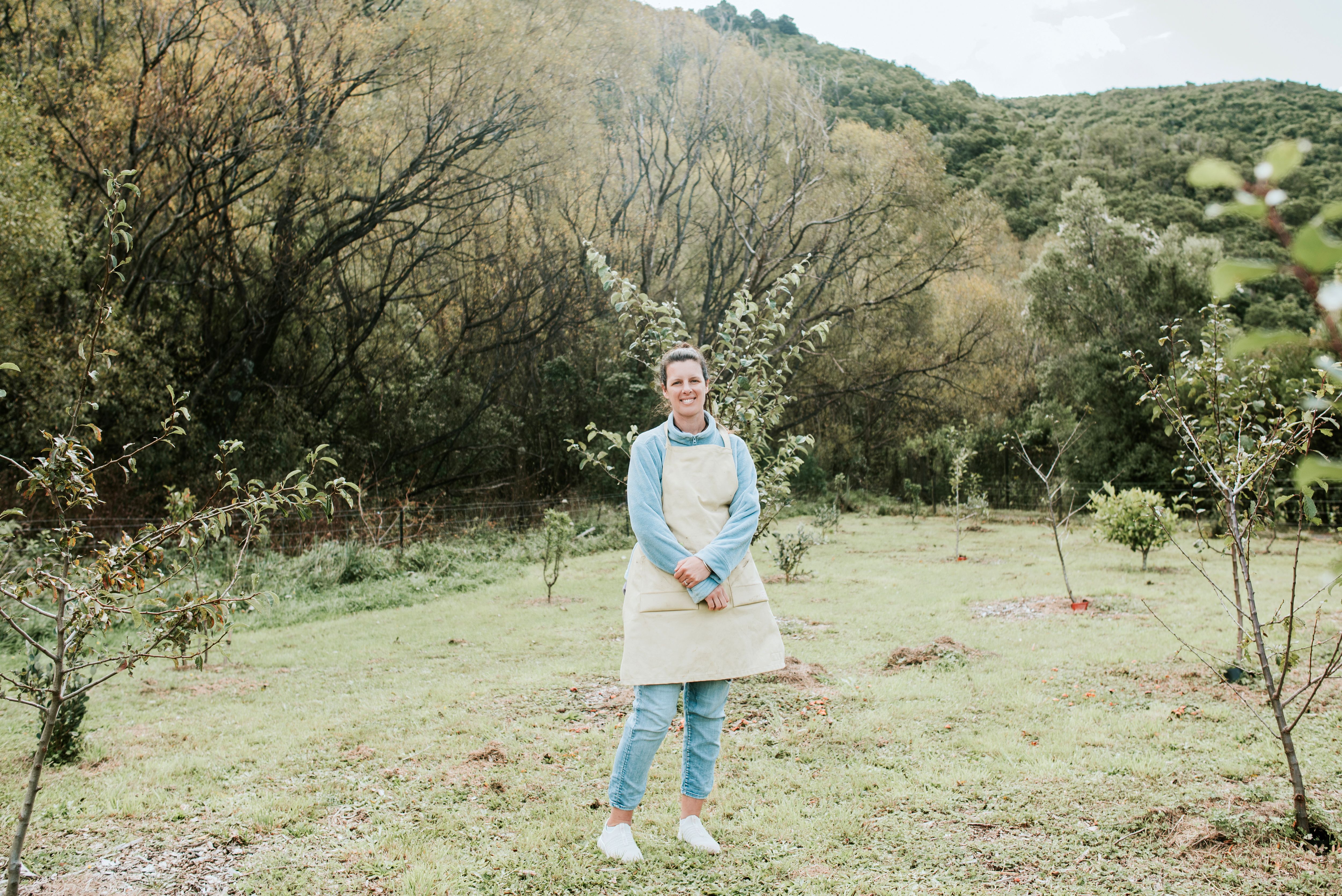
Sarah Huntley, project manager at the Waitohi Picton Community Garden. Photo: Aimée Preston
This Space is a new series that explores the unique and meaningful places where local people spend their time and shape their work, communities and lives. Starting off this feature is Sarah Huntley, project manager at the Waitohi Picton Community Garden.
As told to: Amy Russ
How would you describe your workspace? My workspace isn’t defined by four walls or a desk – it’s a living, breathing community garden. On any given day, my “office” might be a potting bench, a picnic table, or a sunny corner between the raised beds. It’s an organic space shaped by seasons, people and purpose.
How has it evolved over time? When the garden first began, the focus was simply on growing food and bringing people together. As the project grew, so did the need for coordination, planning and community connection. My workspace expanded alongside that growth and the garden has become not just a place to grow kai, but a hub for learning, wellbeing and environmental connection.
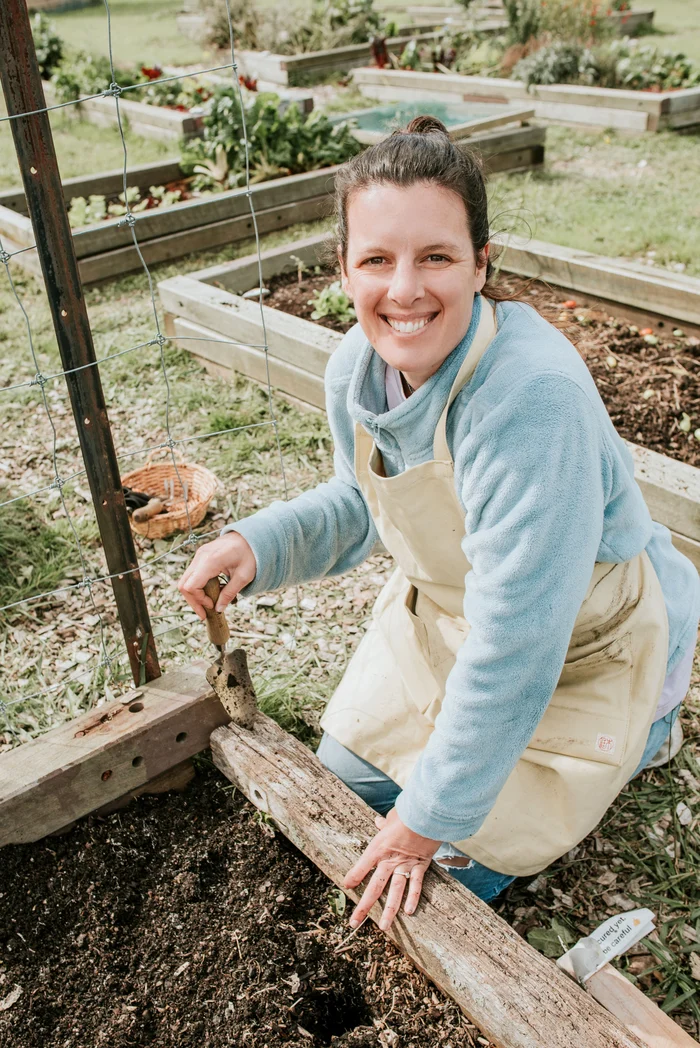
How does this space reflect who you are? It’s practical, people-focused and rooted in place. I’m someone who values hands-on work, shared learning and relationship-building, and the garden supports all of that naturally. Working here keeps me grounded, literally and figuratively. It reminds me that progress doesn’t always happen on a screen or to a deadline; sometimes it happens when you slow down, listen, and let things grow in their own time.
Is there a particular section that’s your favourite, and why? If I had to choose a favourite spot, it would be the garden beds. They’re where the mahi feels most tangible – planting, weeding, saving seed and watching one season give way to the next. It’s deeply satisfying to see how small, consistent care builds something productive and alive.
How does the design and layout shape the way people interact within it? Organisation in the garden is more about intention than neatness. We often let plants go to seed so we can harvest from them, and I love leaving large areas of grass to grow into wildflower spaces. It can look messy, but it’s practical and purposeful. The layout encourages people to wander, pause and talk; there’s no firm boundary between working and connecting, which naturally brings people together.
What do you love most about working from this location? The atmosphere on a typical day is calm and settled. It’s a place where you can quietly focus, get lost in the mahi and let the rest of the world fall away for a while. What I love most is how naturally it encourages that sense of calm and connection, to the work, the whenua and the rhythms of the garden.
What do you hope for the future of the space? Looking ahead, I hope the space continues to grow as a place of connection, education and shared stewardship. The design is pretty good as it is, what we can't wait for is the build of the Education Shelter, so the garden remains accessible and welcoming in all weather, because community, like gardens, thrives best when it’s well supported.