
Blue cod counts in Marlborough Sounds come with caveats

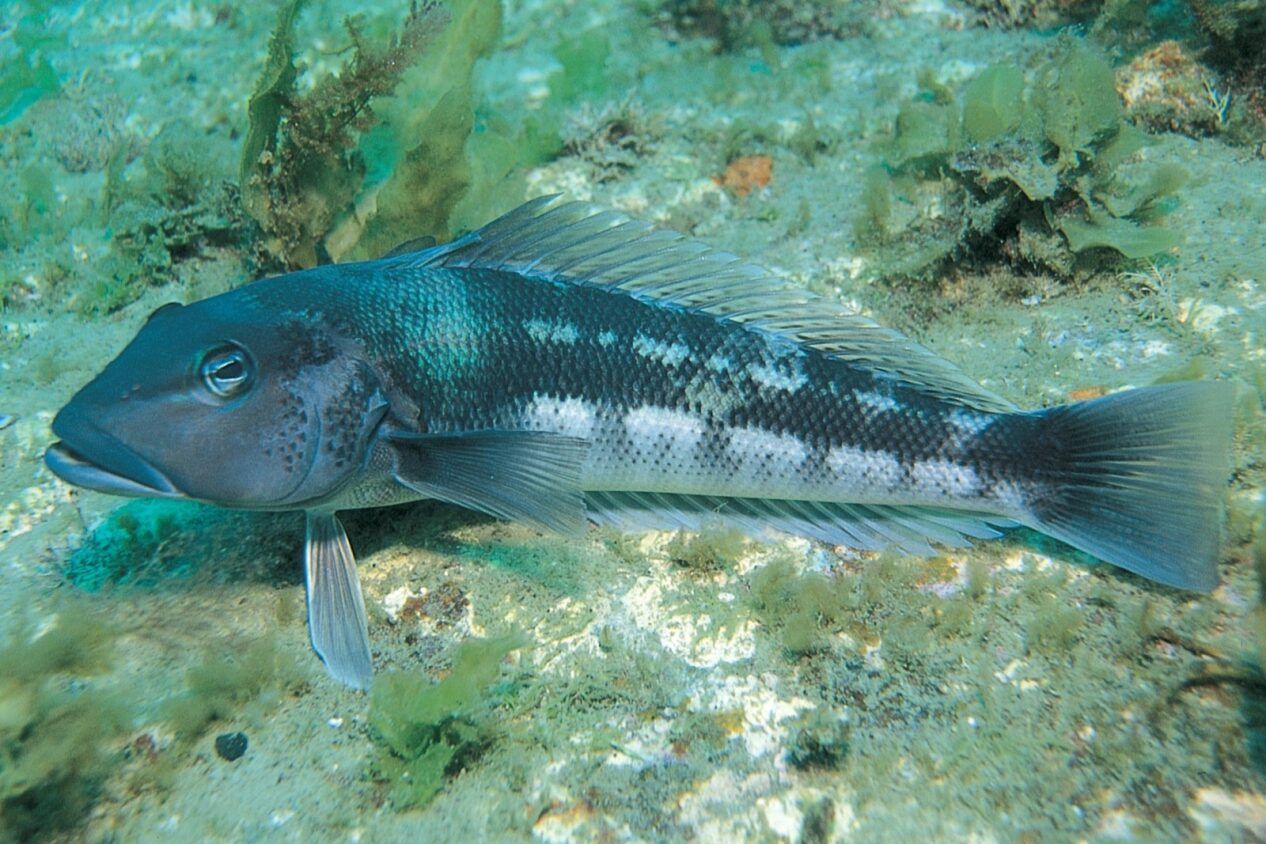
Blue cod get counted in a stocktake every four years. Photo: MPI
PIERO ROCCO
The author was featured in the Rural News article “Watching the waters” in the 18 March issue of Marlborough Weekly.
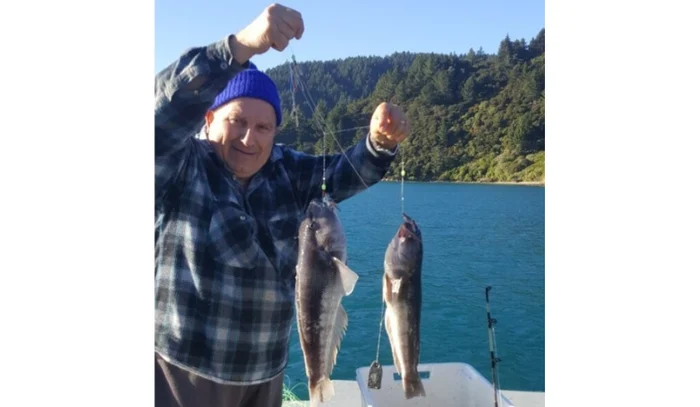
I have been involved with fishing all my life. I was the skipper of a fisheries research vessel and have also been employed as a fisheries consultant. For 45 years, I have enjoyed regular recreational fishing in the Marlborough Sounds, recording the details in my logbook.
From this experience and data, I have concluded that the Sounds’ waters are a nursery ground for blue cod. I also have concluded that there are many mixed messages about blue cod in the Sounds, with recreational fishers caught in the middle.
MPI (the Ministry for Primary Industries) conducts a stocktake every four years. This is done in October by counting the numbers of fish which are caught in cod pots set in multiple spots around the Sounds.
The recent result shows that 82 percent of the fish caught this way are males.
However, from my years of experience, I would say that this is because the ripe males over 7 years old are not there in October – they are schooling in the spawning grounds outside the Sounds, waiting for the mass of mature females 3-6 years old to arrive.
The young unripe males 1-6 years old are left behind which is why most of the fish caught in the pots are males – even though for the rest of the year, 85 percent of the total stock inside the Sounds is female.
In 2021, NIWA (the National Institute of Water and Atmospheric Research) conducted an analysis of these October stocktakes. The report has some interesting comments, such as: “The blue cod stock doubled between 2013 and 2017, no change in 2021.”
It also states: “There are no clear indications that the blue cod biomass has declined between 2004 [and] 2021.” If this was the case, why did Minister Jim Anderton close the Sounds to fishing for three years, from 2008 to 2011, because of “cod depletion”?
Changing factors
Over the past few years, many local recreational fishers have noticed a big increase in the numbers of young blue cod. The abundance of these small cod is probably partly because there has been no dredging in the Sounds for several years. The scallop dredges used to destroy the nursery ground of blue cod in their post-larval stage. However, since the use of dredges has been banned, there has been a significant improvement.
There is another part of this picture: the presence of shags in Queen Charlotte Sound. In the past few years, we have seen an enormous increase in the numbers that wait around any recreational boats to take any undersize cod that are returned to the sea.
Figures from my logbook in 2024 show that between February and August, when I and others onboard caught a total of 66 legal-size cod, we also caught 287 undersized ones, of which 117 were immediately eaten by shags when they were returned to the water.
Shags are a protected species, and according to DOC, we are not allowed to feed them or intervene in any way. Yet, if we keep the small cod alive in a bucket so we can return them to the sea later when we move away, we are risking a fine from a Fisheries officer.
This a dilemma which needs to be resolved by these government departments rather than being put on the shoulders of recreational fishers. Differences in data also need to be resolved. Blue cod is an important fish for New Zealanders, and it is time to for all parties to sit around the table and respectfully find a way forward together.