
The answer lies in the soil

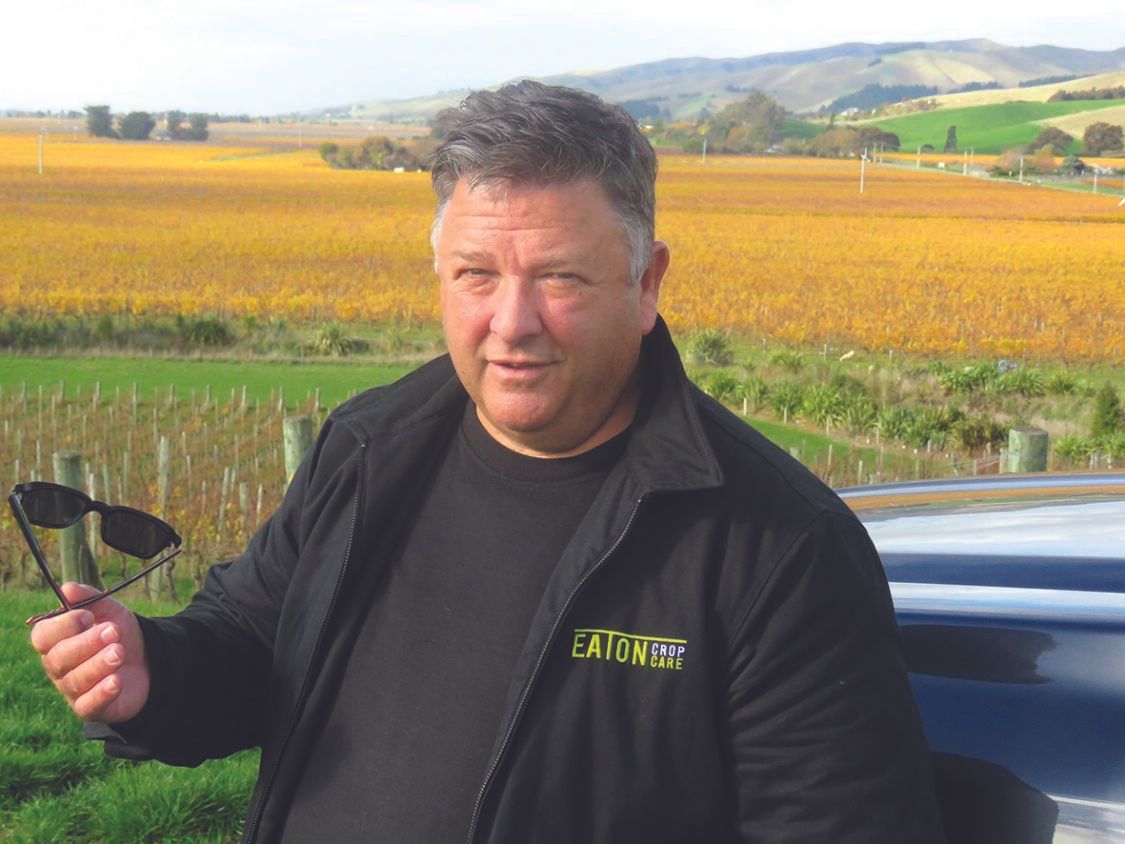
Mike Eaton of Eaton Crop Care. Photo: Supplied.
Andrew Ritchie
Faced with declining yields, waterlogging and soil compaction in one of his vineyard blocks, Robin Hammond of Fairhall turned to agronomist Mike Eaton of Eaton Crop Care.
Convinced that soil health and balanced nutrition were key to restoring the vineyard’s productivity, Mike began by collecting soil samples and sending them to Perry Labs in Missouri. He has international training in the Kinsey Albrecht system, which focuses on balancing soils for optimal biological health, and interprets test results to help growers understand what is happening beneath their vines.
Mike has also worked with a Spanish company involved in more than 600 trials identifying ideal nutrient balances, including magnesium, calcium, boron and cobalt, alongside fermentation-based biological stimulants.
He says the aim is to identify each soil’s most limiting factors and create a tailored prescription that builds premium soil structure and plant-feeding characteristics.
Three years into the programme, the Hammonds have seen significant changes. Yields have returned to an average of 15.8 tonnes per hectare, up from a low of nine tonnes. Waterlogging has reduced, soils have become more aerobic, and the boundary between topsoil and the underlying clay has softened as topsoil depth has increased.
Drone flights show improved uniformity of vine growth, with fibrous root mass increasing by between 30% and 200%. This has made the vines better able to cope with pest and disease pressure.
Robin’s son, vineyard manager Josh, has noticed a drop in mealy bug populations as nutrition has improved. He attributes this to lower nitrate levels.
“Nitrate excess makes plants weaker and more prone to pests and diseases. Wood weights have increased by 18% to 19% and there is less variation in cane diameter,” he says.
Traditionally, sauvignon blanc vineyards have often been removed and replanted after about 20 years due to trunk diseases such as eutypa and botryosphaeria. This has been linked to years of overworking soils with nitrate-heavy fertilisers and the improper use of chemical products.
By improving conditions that promote stronger root growth, growers hope vines will be better able to combat disease naturally, extending vineyard life to 30–35 years.
On Raupara Rd, Keith Adams has begun a three-year programme to rejuvenate a 90-hectare block that has been leased for grape production for 30 years. He believes the soil has been seriously neglected, with low calcium and phosphate levels and most trace elements depleted.
Keith says 90% of livestock on the land lives underground and believes farmers too often rely on retailers for advice rather than agronomists. His programme includes a balanced dry fertiliser with bio-stimulants to rebuild soil health.
He has also used Trichoderma, a genus of fungi, to treat botrytis in the past and has already applied it twice to the bare soil. The fungi accelerate organic matter breakdown and form a protective barrier around plant roots, excreting anti-fungal enzymes that break down the cell walls of pathogens such as grass grub.
Trichoderma is also effective in repelling fusarium in crops such as onions and carrots.
With the block returning to food production for the next few years, Keith is hopeful the underground livestock will do their work.