
Liana Bell: The creative behind the curtain
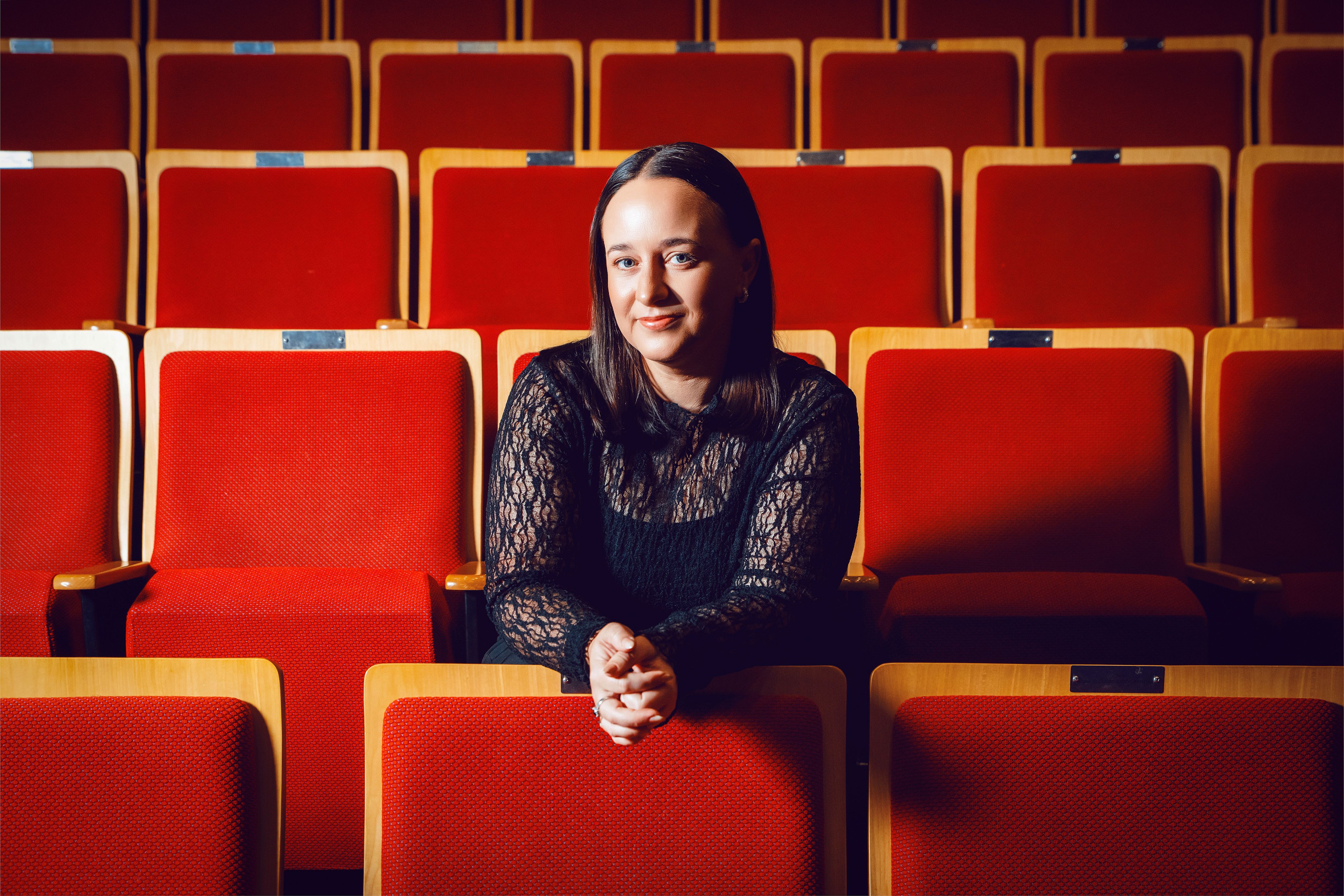
Liana Bell, director of <em>Matilda The Musical</em> at Whitehaven Theatre. Photo: Richard Briggs
Matilda The Musical delighted audiences at Marlborough’s Whitehaven Theatre last month, wrapping up after months of preparation. Now, with the curtain closed on the Blenheim Musical Theatre’s production, attention turns to the creative who helped bring it all together.
Words: Rachel Enright
At the centre of Matilda was director Liana Bell, alongside choreographer Ellie Molloy and vocal and musical director Robert Tucker, who together led the vision for the show with an extensive cast, crew and volunteer team.
Liana is quick to point out it was never a solo effort.
“Not one person can do all that by themselves,” she says. “Not even close.”
Still, stepping into the director’s chair for a production the scale of Matilda marked a major moment for the primary school teacher, mum of two and lifelong creative, who admits she never really saw herself ending up here.
“When I was younger, I never thought I’d be directing a show,” she says. “You’ve just got to be brave and give it a go.”
Creativity has always quietly followed Liana through life in one form or another. Growing up, she danced throughout childhood, loved visual art and spent time involved in Stage Challenge at high school, eventually helping direct and choreograph one of the performances alongside a fellow student.
“It was definitely the first time I had ever dabbled in anything like that,” she says.
After school, she went to university and graduated as a teacher, beginning the career she still balances today alongside theatre and family life. There was also a brief overseas chapter. Liana and her husband Aaron spent time in the UK, where she worked at The Anchor Inn in the small coastal village of Walberswick, north of London.
“It was the coolest place ever,” she says.
The village had a thriving arts scene and was home to writers, artists and filmmakers, including Love Actually and Mr Bean writer Richard Curtis, who Liana remembers as a regular at the pub.
While there, she made the most of London’s famous theatre scene whenever she could.
“We saw Billy Elliot, Wicked and The Book of Mormon,” she says. “The theatres in London are just incredible. It’s a different world.”
At the time, she never imagined she might one day direct productions herself. But looking back, she can see how naturally her brain was already wired toward storytelling and visual thinking.
“When I hear music, or am reading dialogue, I can just kind of see it happening in my head,” she says. That instinct, she believes, comes from years spent drawing and painting.
“Directing feels like an extension of that creativity.”
Back in Marlborough, her pathway into musical theatre happened gradually. Comfortable dancing but terrified of singing, she nearly backed out of her first audition altogether after discovering she would need to sing in front of people.
After cancelling the singing portion minutes before it began, she was still encouraged to attend the dance audition and eventually convinced to sing something privately.
“I literally sang Twinkle Twinkle Little Star.”
The experience opened the door to the theatre community and opportunities slowly followed from there.
Over the years, Liana built experience across productions including Aotearoa: A New Zealand Rock Musical, Les Misérables, Priscilla Queen of the Desertand The Addams Family, taking on roles spanning choreography, associate directing, production management and eventually directing.
As associate director for Les Misérables, Liana discovered she had a natural understanding of how large productions fit together.
“It was one of those shows that I just understood,” she says. “I could see all the moving parts and the scene transitions in my head.”
By the time Matilda came along, years of experience had quietly built trust within the theatre community, even if Liana still struggled at times to recognise it herself. Taking on a production of that scale still brought plenty of self-doubt.
“At the start, it felt terrifying,” she says honestly.
Once the creative team was confirmed, Liana immersed herself fully in the world of Matilda. She reread the Roald Dahl book, revisited both film adaptations and began carefully dissecting the script scene by scene. The story itself already carried personal significance.
“I’d read the Matilda book to my classes quite a few times over the years,” she says.
Calm, encouraging and quietly observant, much of Liana’s directing style has clearly been shaped by years spent teaching young children.
When rehearsals began, she approached the process carefully and collaboratively, slowly building the production in layers rather than overwhelming performers all at once.
First came table reads and character discussions. Then blocking scenes, choreography, vocal rehearsals and transitions gradually started coming together piece by piece.
“With teaching, you learn not to pile everything onto people at once,” she says. “I like to do things in layers.”
For the younger cast members especially, Liana focused heavily on creating an environment where people felt comfortable trying new things and stepping outside themselves.
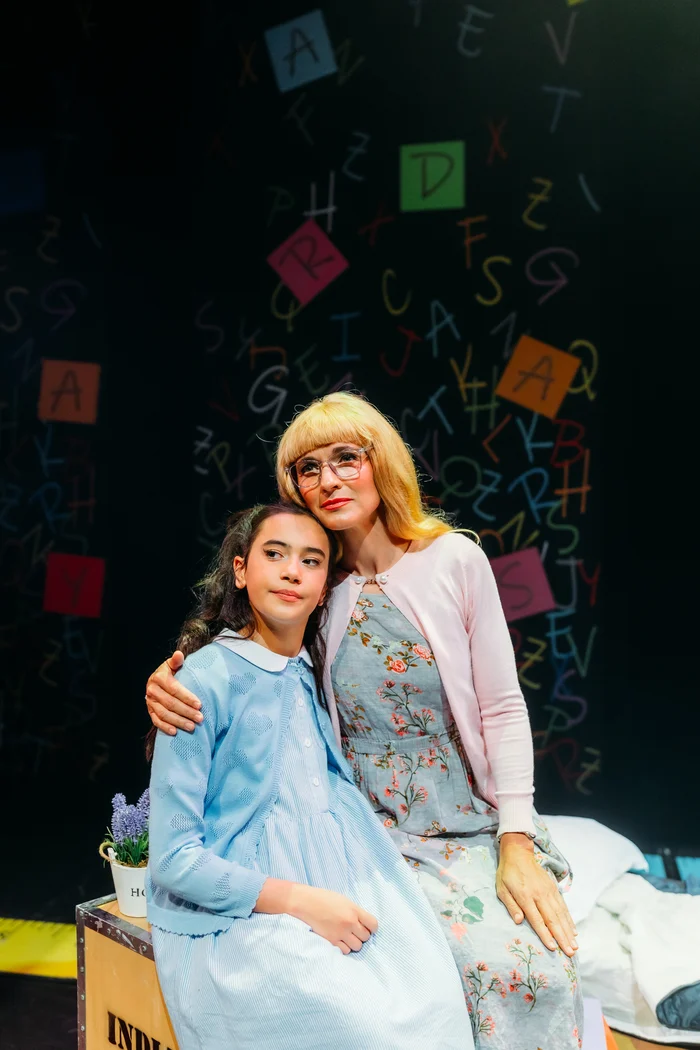
Workshops during the school holidays encouraged the children to think deeply about their characters and how they would behave at school, while games and group activities helped build trust and confidence within the cast.
“It’s about helping people feel safe enough to try,” she says.
That same philosophy extends across her entire directing style.
When applying for Matilda, Liana wrote that she wanted the production environment to feel “inclusive, safe and fun.”
“People are volunteering their time,” she says. “They should go home with their cup filled rather than feeling depleted.”
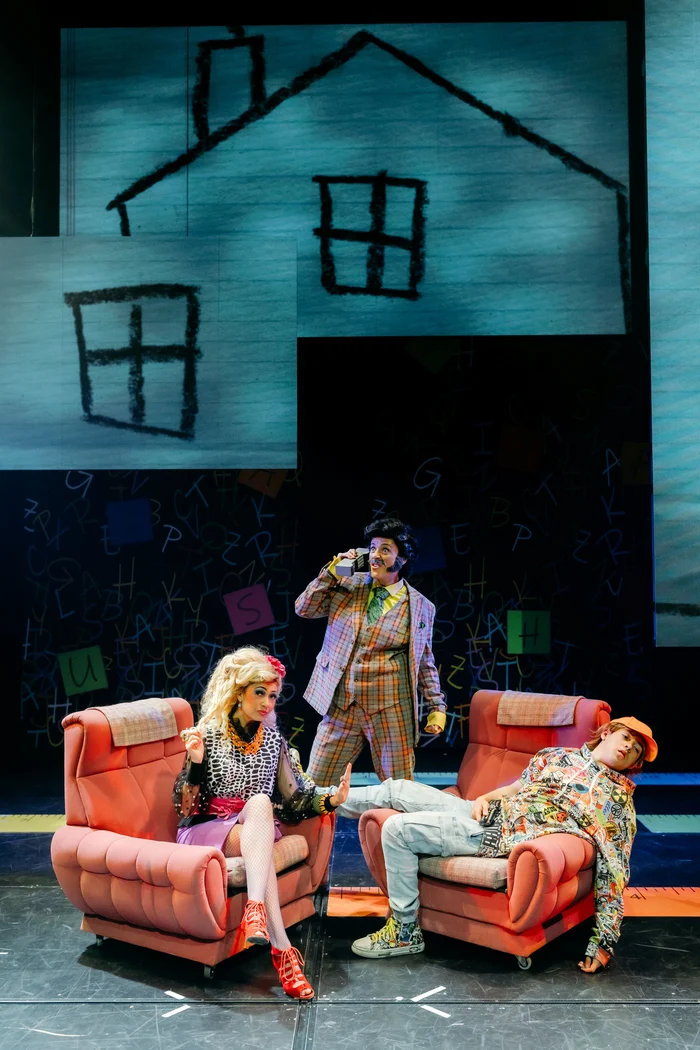
Meanwhile, the three creative leads each focused on different parts of the production. Tucker led vocal rehearsals, Molloy developed choreography, while Liana worked to bring all the moving pieces together into one cohesive vision.
The scale of the production was enormous, with more than 150 people auditioning and close to 70 eventually cast across the two rotating child casts.
For Liana, some of the most rewarding moments came from watching people surprise themselves.
“Even if they don’t consider themselves performers, they end up actually surprising themselves more than they think.”
She speaks just as proudly about adults stepping into theatre for the first time as she does about experienced performers. One standout audition came from Marcello, a first-time performer whose confidence during auditions left a lasting impression on the creative team.
“It was like a golden buzzer moment,” she says.
Husband Aaron, once someone who famously fell asleep during Wicked in London, is now deeply involved backstage as part of the theatre crew.
“We’ve met some of our best friends through theatre,” Liana says.
She believes that sense of community is what makes Marlborough’s creative scene so special. One of the biggest things she hopes audiences took away from Matilda was the central message running throughout the show itself.
“The messages through Matilda about standing up for what’s right, and building her own confidence are just so good,” she says.
She also hopes the production inspires people to simply give something new a go, whether that’s performing, backstage work, lighting, sound or joining theatre later in life.
How did she feel when it was time to hand over the show to the stage manager after the final dress rehearsal was done?
Weirdly calm.
“I thought I’d be emotional, but by the final dress rehearsal everything was running so smoothly. The cast had it under control, the crew had it under control.”
And then, just like that, her role was finished.
A few nights later, back at home after months immersed in the world of Matilda, Liana found herself drawing again.
“I realised I needed to do something creative because I didn’t have the show anymore,” she says.
Now she is back teaching, back parenting and back to the routines of everyday life.
Back to normal programming.