
NMIT’s new chief executive retraces her regional roots
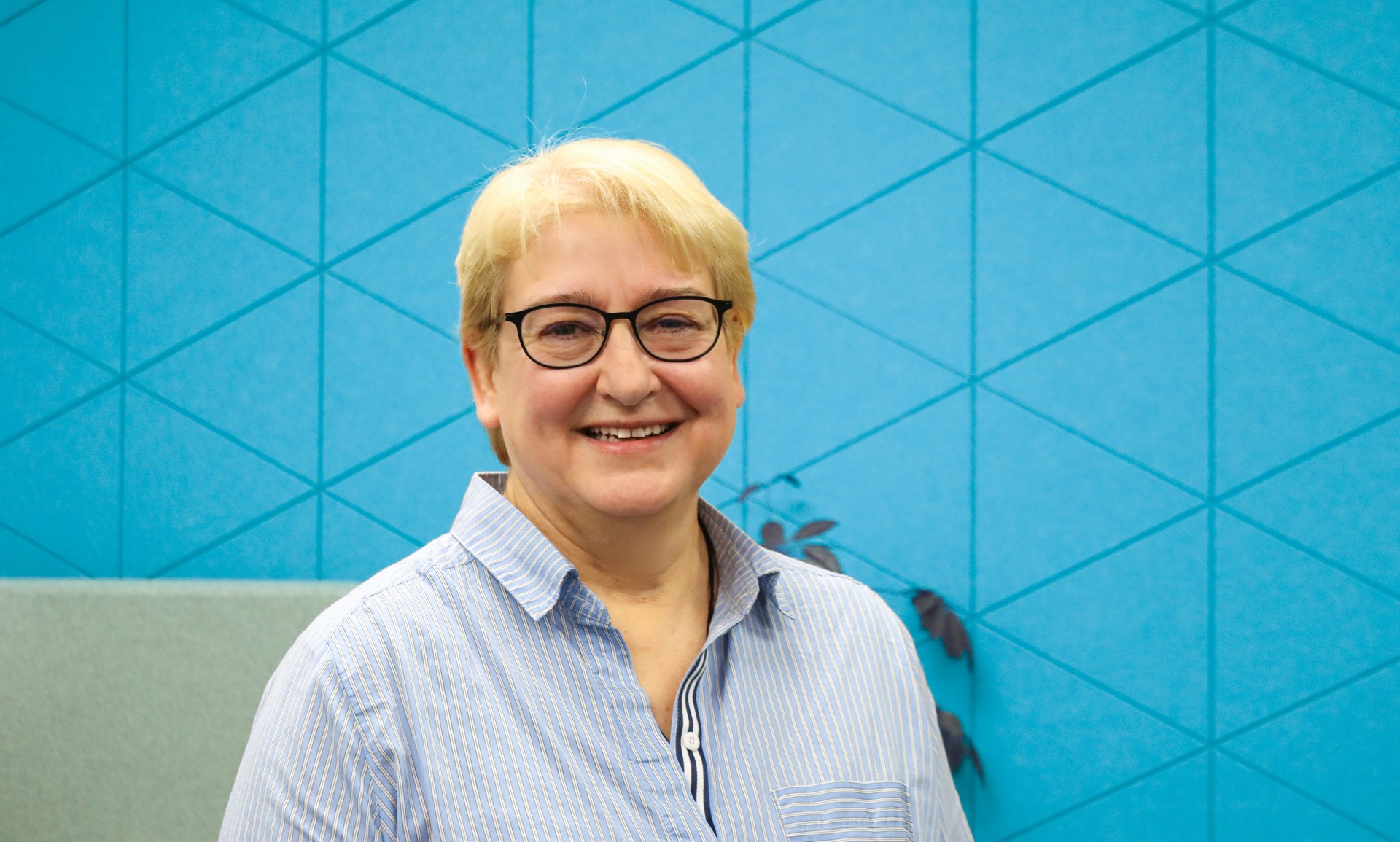
Dr Caroline Seelig leads NMIT’s transition into a standalone institution. Photo: NMIT.
Looking for someone to lead NMIT into uncharted territory might have required an Odyssey-level quest. Turns out, the person was already in house.
The technology institute serving the Top of the South announced Dr Caroline Seelig as chief executive last week. In January, she returned after 18 years away to fill in as acting chief executive – coinciding with NMIT’s transition from the national network Te Pūkenga to a standalone institution.
She now will continue that work on a permanent basis.
Caroline departed in 2008 after eight years as deputy CEO and academic manager. After serving as CEO of the Open Polytechnic of New Zealand through 2022, she contracted with other institutes as an education specialist.
Monday morning by phone, she spoke about her new role, the new structure and how Marlborough fits into this new Nelson Marlborough Institute of Technology.
Q: When you considered coming in as acting chief executive, did the prospect of the permanent position factor into your thought process?
A: It wasn’t at all, actually, because when I finished my role as chief executive at Poly, I was a consultant – and this, at the time, was another short-term role that I could get engaged with. So, it seemed like another one of those.
Obviously, I knew the organisation, knew a lot of people; once I got into the job, you know how it goes …
Q: Did returning after 18 years feel like a homecoming?
A: There was a sense of coming back to somewhere I really knew, but at the same time, everything had changed a little bit. A lot of the staff had changed; people in the community had changed; the portfolio had changed. I mean, we now have four master’s programmes – when I was here, we hadn’t even thought about postgraduate qualifications.
There was quite a bit that was different, but underlying, it did feel familiar.
Q: Which elements prompted you to accept the CEO post?
A: The main factor was the opportunity to lead NMIT though the next stage of its development. We now have our own council in place, so we’re a fully autonomous standalone organisation, and there’s really exciting potential for growth. NMIT has a really strong reputation, capable staff, good connections with industry and the community, and really good learner outcomes. It all felt really good.
Q: What does a standalone NMIT look like?
A: Legally, it’s been a standalone since early January, so that was when our constitution emerged. We’ve got five members on our council; they’re the formal governance. We have full control over our functions, responsibilities and decision-making, in collaboration with the Tertiary Education Commission from a funding perspective.
It doesn’t change our focus on quality education or learner success or industry links. Just the underlying legals change a bit.
Q: Broadly speaking, what will need to change?
A: We need to develop a new strategic plan that is relevant for the moment. The journey of going into Te Pūkenga and going out of Te Pūkenga was about seven years, so times have changed. We, with our council, need to create a strong strategic plan for the next three to five years.
Q: How does Marlborough fit into the new iteration of NMIT?
A: Super critical. We’ve got our Budge Street campus there, with really strong programmes and connections with the wine industry there. But we’ve also got the Woodbourne campus, which is where we do aviation engineering – we’re the strongest provider in the country in terms of aviation engineering – and we’ve recently introduced a new programme there, mechanical engineering.
So, there’s a lot of potential for the future beyond horticulture and agriculture. At the end of last year, we graduated our first bachelor of nursing students. So, a very critical part of the organisation.
Q: How often will you come to Marlborough as chief executive versus acting chief executive?
A: Regularly – but not just me, the whole management team. Part of the way we want to lead and manage is engaging regularly with all our staff at all our campuses and sites.
I bought a block in Marlborough Sounds about 20 years ago which I still own. So, I’m actually still a Marlborough ratepayer!