
Growing good at Burleigh Grove
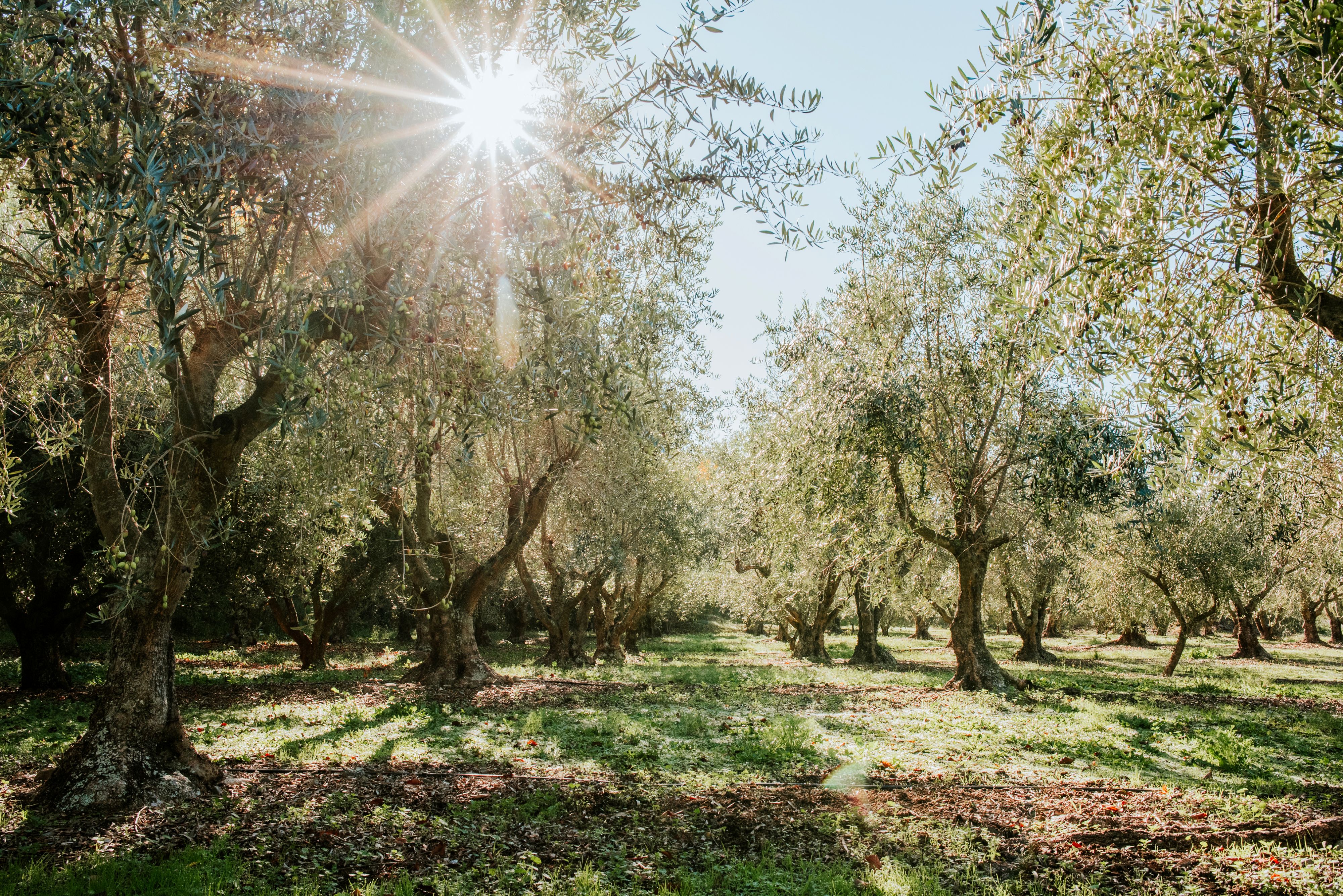
RSA Burleigh Grove, Blenheim.
Marlborough is well known for its grapes but tucked along the Taylor River opposite Brayshaw Park is something a little unexpected: a thriving plantation of olives. The Burleigh Grove, planted and nurtured by the RSA, is a special place – part memorial, part working grove, and entirely community driven. Run by volunteers and supported by locals, its proceeds go directly to the welfare of returned servicemen. Justin Eade speaks with those who care for the grove and the people who help press its fruit into a world-class oil.
Photos: Aimée Preston
Olive trees hold a quiet significance for many Kiwi troops who served during World War II, particularly in Crete, where they provided shelter, camouflage and even moments of respite in harsh conditions.
That connection helped inspire the grove itself. John Cragg, chairman of the RSA Burleigh Olive Grove, says Second World War veterans who had served in the Middle East and developed an affinity for olives approached the council more than 30 years ago with a proposal to use a section of land for a grove. The idea was informally agreed to, and the project slowly took shape. The Burleigh Grove was formally conceived on the 50th anniversary of VJ Day in 1995, with planting beginning in 1998 and continuing in stages ever since.
Today, the grove spans around 1,400 trees, stretching from near the Burleigh Bridge down towards Richardson Avenue and beyond.
The original organisers planted a block of about 200 trees initially, and each of those trees was either bought by a veteran or a family. All of those are now called ‘Block 1’, and they’ve all got the names of families or servicemen under them.
“About that time olives were deemed to be almost as important as grapes in Marlborough,” says John, “but of course that never panned out. But we decided to go ahead and establish a commercial grove, and ultimately ended up with 1,400 trees planted, with the expectation that it would be income primarily for welfare purposes.”
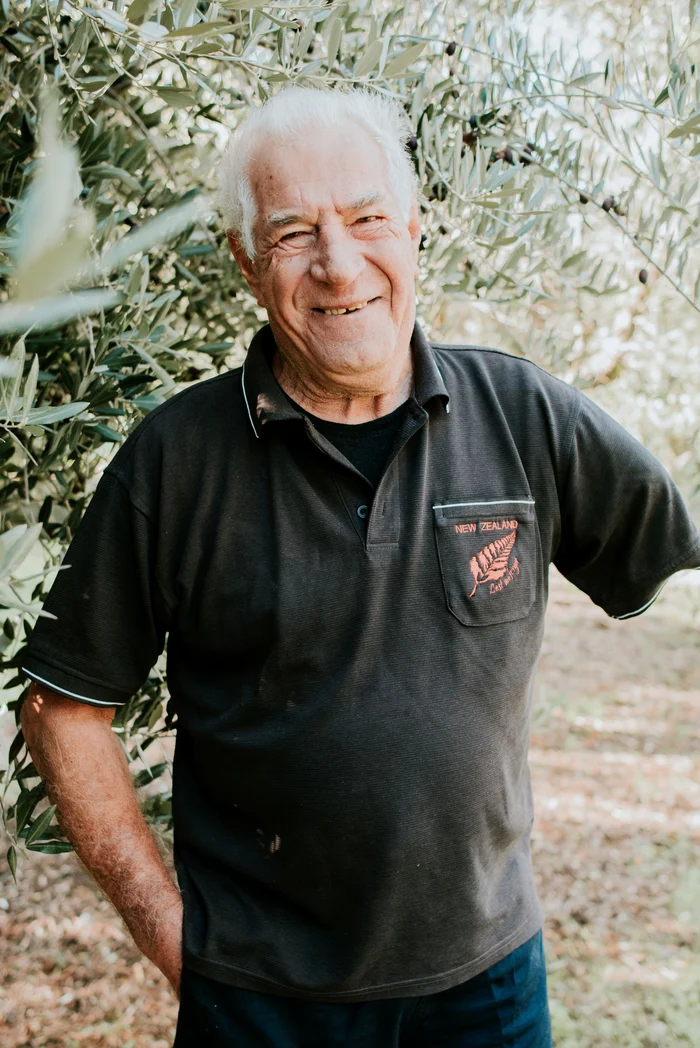
John has been involved for about 30 years. He says at first it was all pretty informal, until he and some others formed a company, got the grove income tax-exempt and formalised leasing the land with Council. In the process of planting out the grove, they took advice from all sorts of olive “experts,” so ended up with many different varieties as a result. The 1,400 trees are therefore a “league of nations” and their fruit all just goes in together in a blended state rather than specialised varieties.
Harvest traditionally takes place over King’s Birthday weekend, a timing that originally reflected when enough volunteers could be gathered. “We’ve been extremely fortunate – since 2020 Alan Wilkinson (of Alapa Viticulture Services Limited) has provided us with his workers and that’s just been absolutely brilliant, because up until that time, if we only got ten workers, we might only be able to harvest a tonne of olives regardless of how much we had on the trees.” John says now they pretty much get everything off and it’s made all the difference. Sometimes it can involve 80 to 100 workers for a day and a half, all of which is donated time, for which they’re greatly appreciative.
Harvest is all done by hand. They lay mats under the trees and go along with mānuka sticks hitting the trees. The olives fall off onto the mats and are then put into bins and taken out to the press. John says last year was probably the best year they’ve ever had, they harvested 23 tonnes. “But I think we’ll be getting close to 30 tonnes this year. Last year’s crop pressed out to 3,400 litres of oil.”
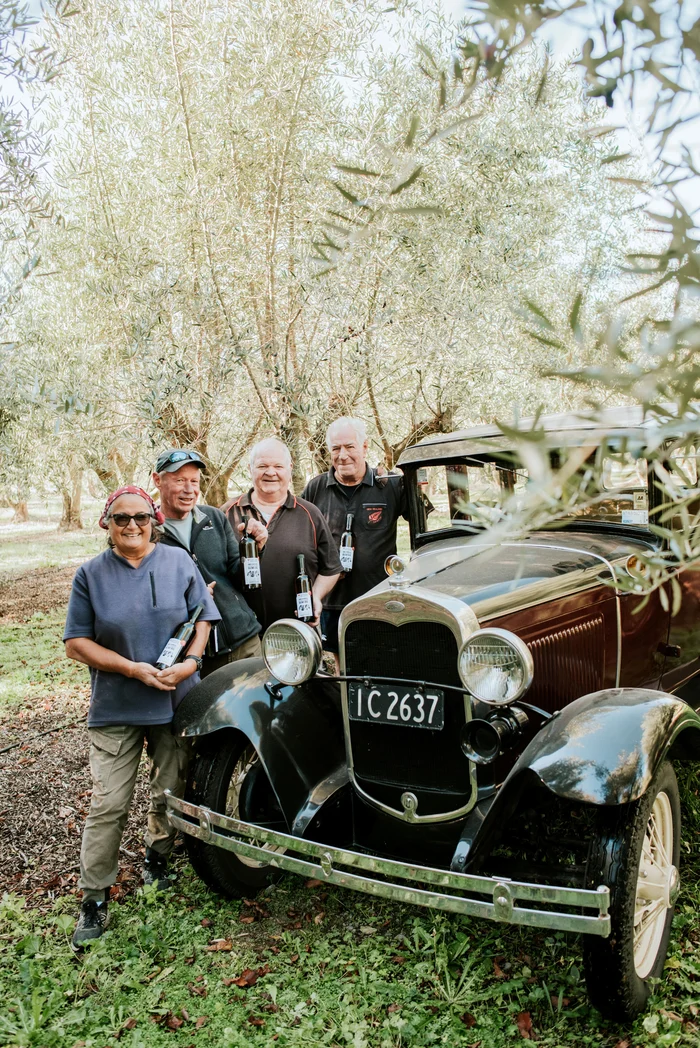
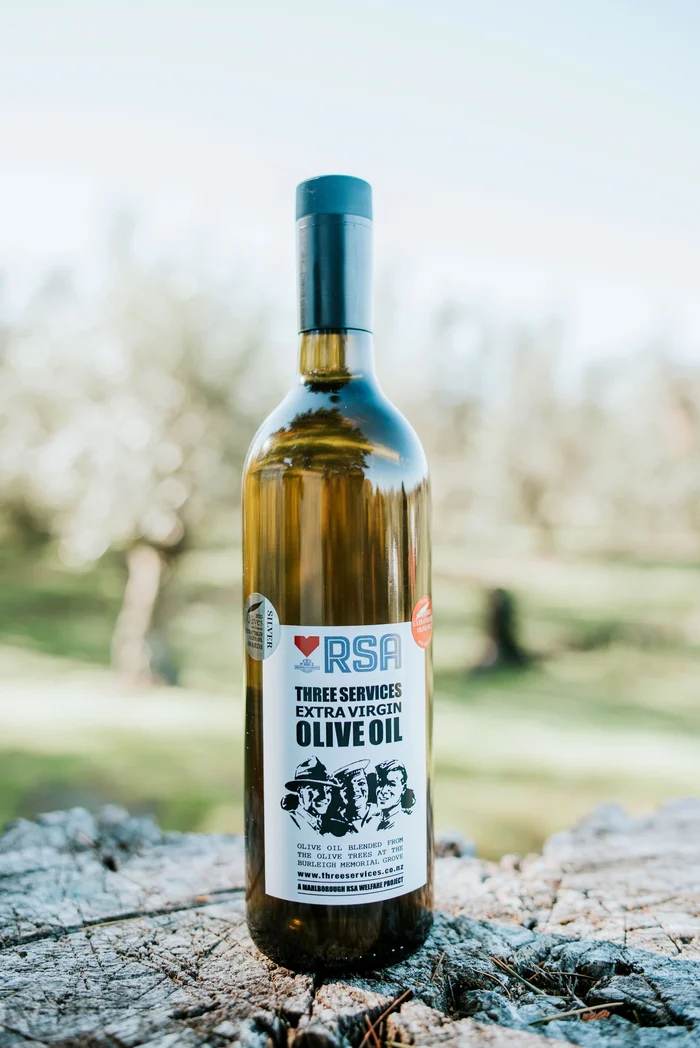
‘RSA Three Services Olive Oil’ is the finished product. While some Burleigh oil is sold in bulk to wineries, the vast majority of it goes out to the public in 750ml bottles under the Three Services brand name. Meaters of Marlborough have been tremendous in selling it on their behalf, and the RSA has joined with Olives New Zealand to make sure it gets product certification every year. For the last five years it has even won silver medals.
All profits from the grove go to servicemen via the RSA Welfare Fund, and RSA members can apply to those funds if they have needs – a bit like the revenues collected on Poppy Day.
Rebecca Dalton-Harvey, RSA secretary/treasurer is the Olive Grove secretary, taking care of the admin side, but also helps with the harvest and the bottling. “It’s really fantastic with all the workers and the volunteers who help with harvest and bottling; it shows that people want to help for the cause. We hand-label all the bottles, we have a commercial kitchen here, so we bring the bottles, bring the oil, set up a system and away we go.”
The pressing is important, says John. “A lot of smaller olive growers, even some of the vineyards, have kept some olive trees and all still need to come and get them pressed.”
And to that end, the RSA is also one of the major shareholders in Olive Press Marlborough.
Janine Mayson, director and chair of the steering committee of Olive Press Marlborough Ltd, has been involved in growing olives in Marlborough for 30 years. She recalls the late 1990s as a period of rapid expansion in the olive industry. “Many large groves were planted then as commercial ventures following the importing of a range of olive rootstock by Gidon Blumenfeld to see what was best suited to the Marlborough environment.”
Olive Press Marlborough was set up in 2020 in its current form when a group of growers got together, bought a press and set up a new entity and structure for all olive growers in Marlborough, not just commercial growers. Consequently, says Janine, they have many small shareholders, and it means growers have buy-in to keep an olive press in Marlborough, with the costs spread across a wide base. “It’s a community facility so the community keeps us alive to provide the service for everyone.”
They all support each other to ensure olive pressing continues in Marlborough. “It would have been a huge loss if the press was lost to Marlborough in 2019, especially to the RSA, so we all worked together to set up this new entity with a community focus,” says Janine.
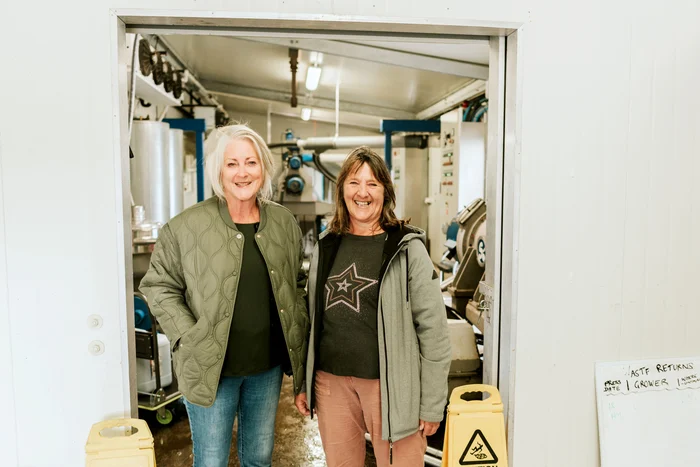
They cater to everyone no matter their reason for requiring their services. “There are large growers like the RSA who get an income for their support services,” says Janine, “and there are some who sell olive oil commercially at the boutique level to delis and restaurants, and some who sell on to other olive oil companies in New Zealand, but a large proportion who just press for themselves, and their family and friends.”
The harvest season typically runs from mid to late May through to early July. Janine says it’s a very busy six to eight weeks, all skilfully managed by the Olive Press’ booking co-ordinator, Mandy Oyston. “Mandy is ‘Mission Control,’ co-ordinating olive deliveries, volumes, pressing schedules, pomace waste pick up, oil pick up, food safety compliance, and ensures our olive press operators and press aren’t overwhelmed.”
Janine says they want to be around pressing olives for Marlborough growers for years to come. “Olive oil is a fantastic product and we have so many olive trees already established in Marlborough that it would be a shame to let all that go to waste.”
And the final word on olives in Marlborough goes to John, who says as well as being a great fundraising endeavour, the RSA Burleigh Grove has been therapeutic for him over the years. “Sometimes if you were having a bad day, you could just go down there, hop on the ride-on mower for a couple of hours and clear your head. It’s quite a lovely place to be.”
To be involved in the harvest, contact: [email protected]
Or to learn more about pressing, visit: olivepressmarlborough.co.nz
Did you know....
1. Olive trees can live for over 2,000 years. Some ancient trees in the Mediterranean are still producing fruit today, making olives one of the longest-living cultivated crops in the world.
2. Fresh olives can’t be eaten straight from the tree. They’re naturally bitter due to oleuropein and must be cured in brine, water or fermented before eating, or pressed for oil.
3. Olive oil is one of the oldest traded foods in the world. In ancient Greece, it was used as food, medicine, fuel, and even currency – and awarded to Olympic champions as a symbol of victory.
4. Olive oil is rich in heart-healthy fats. Extra virgin olive oil contains high levels of monounsaturated fats and antioxidants, and is a key feature of the Mediterranean diet, which is linked to improved heart health and longevity.
5. Olive trees are highly resilient. They thrive in poor soils, drought conditions and rocky landscapes. Marlborough’s dry summers and cool nights also help reduce disease pressure.