
Marlborough company Waimana Marine, Sollys Freight, fined for illegal mussel shipments
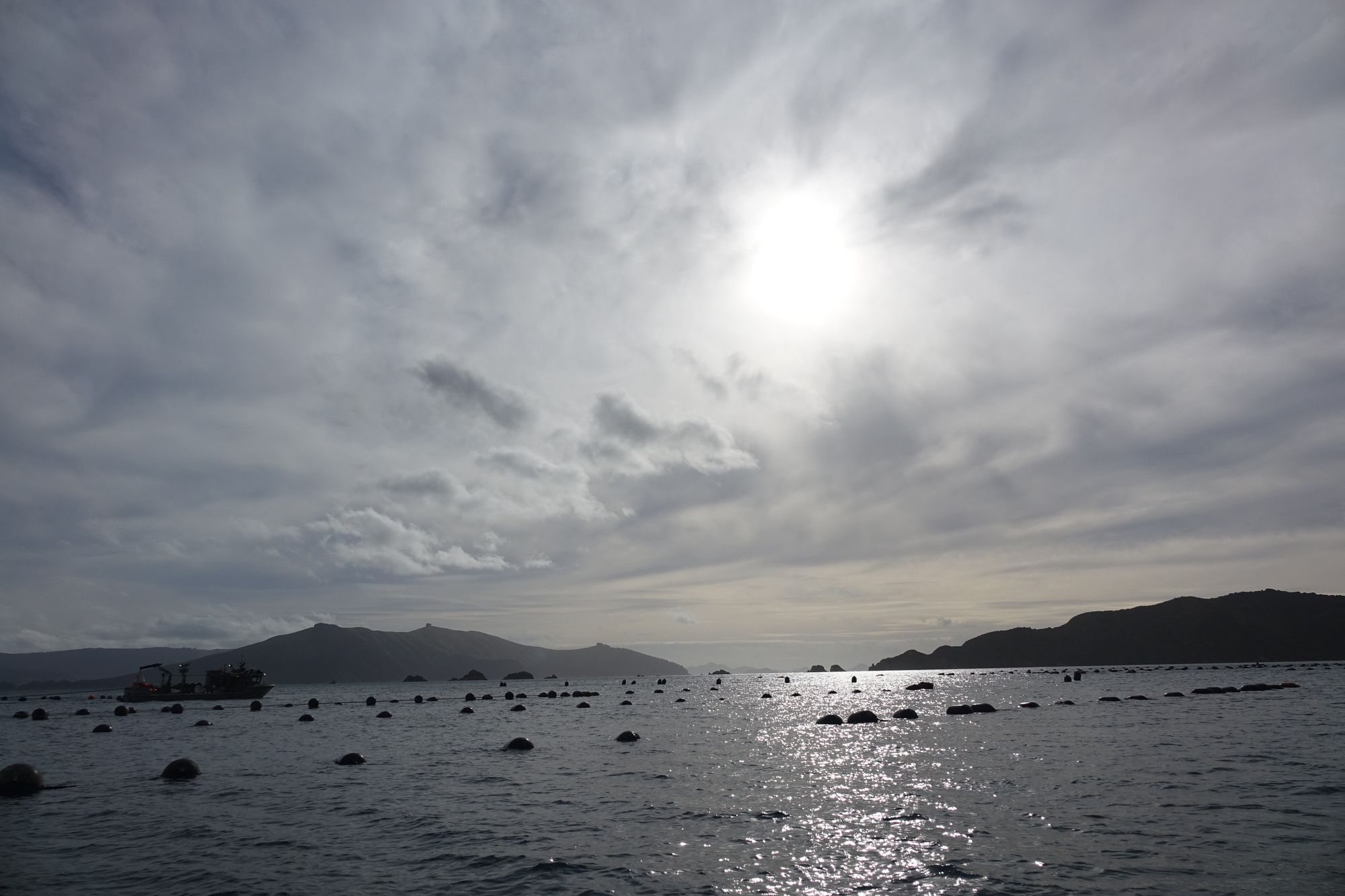
Mussel harvesting in the Marlborough Sounds. An aquaculture operator and transport firm have been fined for shifting green-lipped mussels from an area known to be infected with a parasite affecting flat oysters to an area in the lower South Island still free of it. Photo / Tracy Neal
A shellfish company and a trucking firm moved mussels from a zone infected with a bacteria and risked introducing it to one of the world’s last remaining viable wild flat oyster fisheries.
They’ve now each been fined for moving “risk goods” multiple times over a year without a permit, in breach of New Zealand’s Biosecurity Act.
Marlborough-based aquaculture operator Waimana Marine and Golden Bay-based transport firm Sollys Freight earlier admitted multiple charges over moving thousands of kilograms of green-lipped mussels from the Marlborough Sounds, which was known to be infected with a parasite affecting flat oysters, the Ministry for Primary Industries (MPI) said.
Most went to a processing factory in Canterbury but some went to an area in the lower South Island described as an iconic New Zealand fishery and still free of the parasite.
It was done without the necessary permit, the ministry said.
However, Sollys’ offending flowed from the “erroneous assumption” that permits had been granted to the harvester, being Waimana Marine, Judge David Laurenson, KC, said during sentencing in the Nelson District Court today.
Sollys’ lawyer Sean Brennan said it accepted it transported the consignments without the necessary permit, but it had systems in place to address any risk it considered was low.
Neither was there any commercial gain or advantage from not having the permit, Brennan said.
Lawyer for Waimana, Hamish Fletcher, said the small whānau business, which was an industry pioneer, was “seriously remorseful and deeply embarrassed” by the offending that was not intentional, but an oversight.
It had since taken steps, including the appointment of a general manager, to prevent the same happening again.
Fletcher also raised that throughout the period of the offending Waimana was being audited and therefore MPI was able to see daily harvesting declarations and where the stock was being moved.
Fines ‘significantly less’ than maximum penalties
Each business was fined significantly less than the potential hundreds of thousands of dollars the combined charges carried.
Waimana, considered by the Crown as the more serious offender, was fined $24,000 on 14 charges for arranging the movement of “risk goods” in breach of a notice issued under a section of the Biosecurity Act.
Each charge carried a maximum $100,000 penalty and while “no one suggested” a $1.4 million fine was warranted, the starting point sought by the Crown highlighted the extent and duration of the offending, the lawyer acting on behalf of the prosecution, Jeremy Cameron said at today’s sentencing.
Sollys was fined $15,000 on three charges of unlawfully moving risk goods and a further representative similar charge.
Mussel and oyster specialist company
Waimana Marine specialised in green-lipped mussels and occasionally Pacific oysters, MPI said in its summary of facts.
It operated its own harvesting vessels and owned several marine farms. It leased others and carried out contract harvesting on behalf of other companies.
It also supplied and sold live green-lipped mussels to several organisations across New Zealand, including Christchurch firm Ikana New Zealand for live export, and Fresh is Best NZ in Bluff for on-sale to the domestic market.
Ikana has already been fined $30,000 in the Christchurch District Court on charges that stemmed from unlawfully receiving and arranging the movement of the 27 consignments of live green-lipped mussels without proper permits.
Barriers in place to prevent spread of ‘lethal parasite’
The lethal parasite, Bonamia ostreae, which can infect and kill flat oysters (tio), was discovered by chance in the Marlborough Sounds in late January 2015 by a PhD student.
It was then found in Big Glory Bay, Stewart Island, in 2017.
The disease was believed to have been introduced into New Zealand by the importation of infected flat oysters, MPI said.
It said flat oysters/tio were a taonga species worth about $25 million a year to the economy, while Bonamia was an unwanted and notifiable organism under New Zealand’s biosecurity laws.
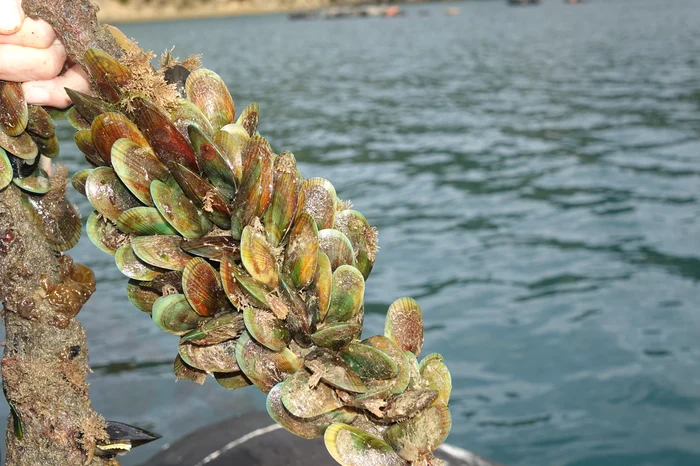
A controlled area notice has been in place in the upper South Island since 2015, with movement control zones in place across the South Island and Chatham Islands.
Cameron, for MPI, said the regulations were not designed to be the “ambulance at the bottom of the cliff” but the guardrails at the top.
He said the offending was characterised as a “systems failure” and that no one alleged it was deliberate or premeditated.
Mussels, oysters and geoduck ‘known transmitters’
Green-lipped mussels, Pacific oysters and geoduck were known vectors of transmission for Bonamia and controls in place were aimed at preventing its spread, MPI said.
An area defined as the lower south protected zone was in place across the Otago and Southland regional council areas, excluding only Big Glory Bay.
MPI said the areas contained significant natural populations of flat oysters, which were not infected with Bonamia.
The Foveaux Strait oyster fishery (also known as the Bluff oyster fishery) was one of New Zealand’s oldest fisheries and one of the last commercially viable wild flat oyster fisheries in the world, MPI said.
They were most at risk from transmission of the bacteria and therefore had the greatest levels of biosecurity protection.
In October 2024, a biosecurity inspector became aware Waimana was sending consignments of live green-lipped mussels from the contained zone in the upper South Island without a permit to the processing factory in Christchurch, in breach of the controlled area notice.
MPI said it found no record of any permit issued for the movement of the mussels on eight separate occasions from September 2023 until July 2024.
However, it noted the company director had previously held a movement permit issued in August 2016.
The ministry said Sollys Freight moved all eight unpermitted consignments out of Marlborough to the Christchurch processing factory.
Then, in November 2024, MPI received a request from Waimana for a permit to move live green-lipped mussels from Marlborough to Bluff, not having disclosed the previous shipments.
It was declined because of the risk of transmission of the bacteria, and it was then told to stop all movements of mussels and oysters, MPI said.
Records held by the Bluff firm showed Waimana had supplied 2069kg of live green-lipped mussels in five shipments from the upper south contained zone, MPI said.
In addition, two live Pacific oyster consignments, totalling 6720 of the shellfish, were also transported to Bluff.
MPI said Waimana arranged for them to be delivered to Blenheim before they were collected by drivers from Fresh is Best in its own refrigerated vehicle.
The Bluff-based transporter did not have a permit either, MPI said, but Waimana took responsibility for not getting one.
MPI said either the supplier, receiver or mover of the shellfish could have applied for a permit.
There were no proven methods for the eradication of Bonamia ostreae once established.
If not controlled, it could adversely affect jobs and businesses, negatively impact iwi and customary fishing areas, and destroy New Zealand’s “iconic” shellfish and aquaculture industry, MPI said.
