This Space: Lee Tepuia at Box on Boxing Blenheim
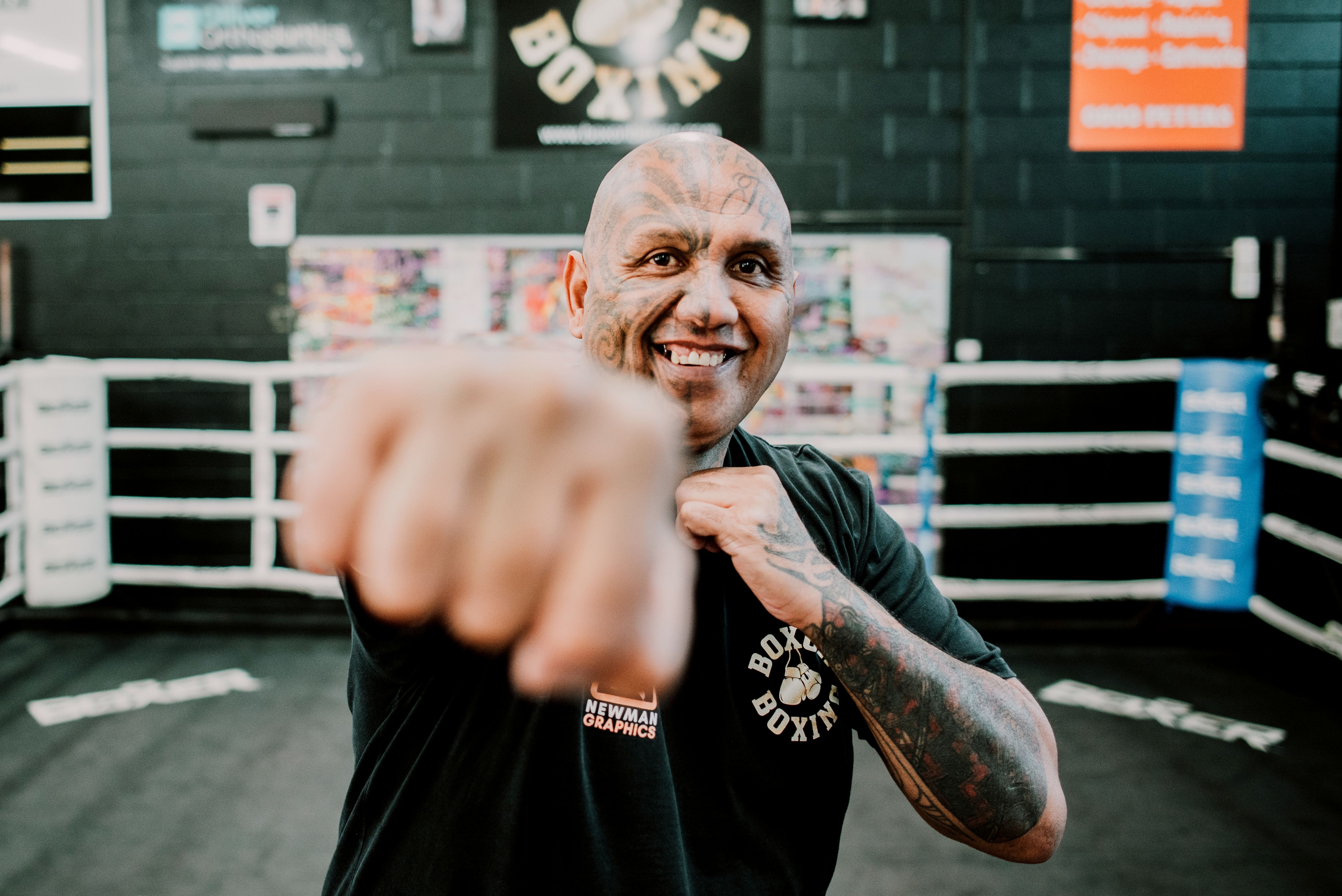
Lee Tepuia at Box on Boxing Blenheim. Photo: Aimée Preston
Lee Tepuia, the principal figure behind Box on Boxing Blenheim, has found his calling in helping people. Lee makes no secret of coming from a background of brokenness and abuse, or that he was a 501 deportee who suffered mental health issues as a result of incarceration, displacement and childhood trauma. But his mission now is one of empathy, encouragement and non-judgemental support for others through this safe space he has created for the community.
As told to Justin Eade
Where did the idea of a boxing gym come from? From my own traumas and the stuff I was going through when I left the bikie scene, adjusting to normal life after being a high-ranking member of the Rebels MC Australia. My wife and kids didn't know New Zealand, and when I got back I had to reconnect with my other kids (I have seven), and it was difficult. Eventually I got a job carpet-laying and settled back into New Zealand, but old traumas and being disconnected from my supports in Australia got the better of me mental health-wise. I was masking it with alcohol and drugs. My mum was sick with cancer and two of my kids were going through stuff and had suicidal thoughts similar to me, so I needed to better myself for them, be strong for them. It was dark times, and honestly, a boxing bag saved my life. It got me out of those dark days when I didn't want to be here anymore. So I started Box on Boxing Blenheim from my garage – I hung up a bag and used it as my outlet.
When did you move into this gym, and what is the main aim for the space? A couple of youth reached out when they heard I was boxing out of my garage and heard my story – they wanted help. So I started in Covid times, moving into a small gym with a nice person who let me share their space, then I got an opportunity to take over another gym in 2021. We’ve been helped by the community, sponsors, funding opportunities and small donations by people so our rangatahi can come and break those barriers. Our gym is a place where you can be yourself, build confidence and have a voice. It's a safe place for all people, all walks of life. When you come, we are all equal, and we don't judge. Box on Boxing is a charitable organisation, we’re here to break barriers. I'm a full-time youth worker for Marlborough Youth Trust, which I'm really grateful for.
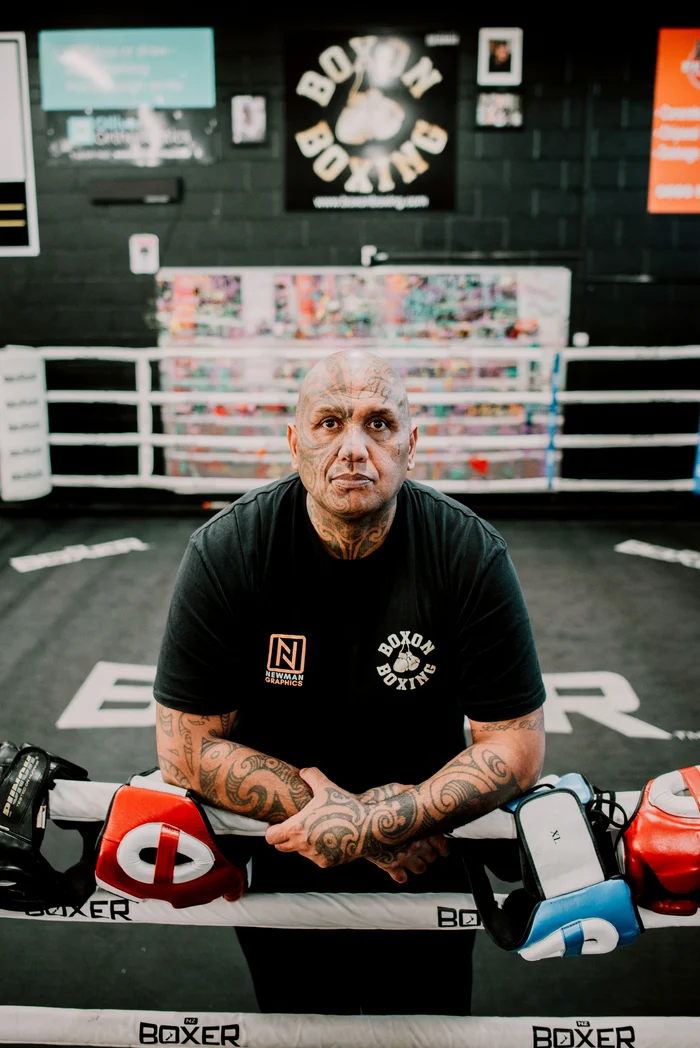
Who uses the space?The space is used by all, from youth classes to mixed adult classes, to a fighters class, to programmes with other organisations. We have all ages, all ethnicities. It was built for rangatahi but is now for our community. I have four good coaches, Santos (head coach), Eia (second coach), Dietrich and Aaliyah (junior coaches), who do a great job for the gym.
What have been the challenges?Finding the right people for my board – trustees and people who are actually here for the right reasons. I have a strong board now who come from different backgrounds, one of them being a police officer, which was something I never thought would happen. The other challenge is tall poppy syndrome. When you’re doing good, there’s always someone who wants to pull you down. But you just show up and keep moving forward with positive intentions.
What are you most proud of here? Man, being alive, making the massive changes I’ve made in my life, helping others, giving back to our community and seeing people grow when they come through those doors. Some get in the ring, but some just come to connect, or build their confidence and wairua. I run a men's group called ‘Ka Kōrero Ngā Tāne’ – a place for our tāne to kōrero, connect, or have a hit on the bags and leave all their stuff there if they’ve had a bad day. They leave all their pain in the gym so they can enjoy time with their whānau and not take that stress home.
How connected are you to your Māori side, and how important is that to you? My iwi is Kāi Tahu (dad’s side), Ngāpuhi (mum’s side), and I'm very proud of being Māori. I’ve been on this journey of finding who I am as Māori, and I’m now doing my Level 1 in Te Reo Māori. I lost my identity while I was in Australia, that's why I got my tā moko – not because I was in the gang, or to be tough. But now I stand as a proud Māori, and I’ve connected with other Māori organisations like Hawaiki Kura, Ngāti Rārua, and the Mahi Whakaara Hei Whanaki programme.
What drives you to operate in this space? I just love seeing our rangatahi grow and make changes in their lives, and love being a voice for our rangatahi, supporting them, from housing, to finding jobs, to connecting them with others. Breaking cycles and barriers for people who come from generational trauma or dependence, thinking they're not worthy of anything better. Helping those who want to get out of those dark times or just want to change their lives. And letting them know sometimes life is hard, but these are only roadblocks – we can break through them.
What do you hold for the future? I’d love to have a youth centre and gym together, and a transitional house for our rangatahi and men. I'd like to have a bail house for men so when they get out of prison, they have a place to settle and reintegrate back into work and the community. A lot of men don't have that. I'd love this to all stem from Box on Boxing and other community organisations. I thought my purpose was to be a gang member, but I've found my purpose now, and that's being a youth worker and giving back to our community.