
King shag survey navigates Marlborough Sounds
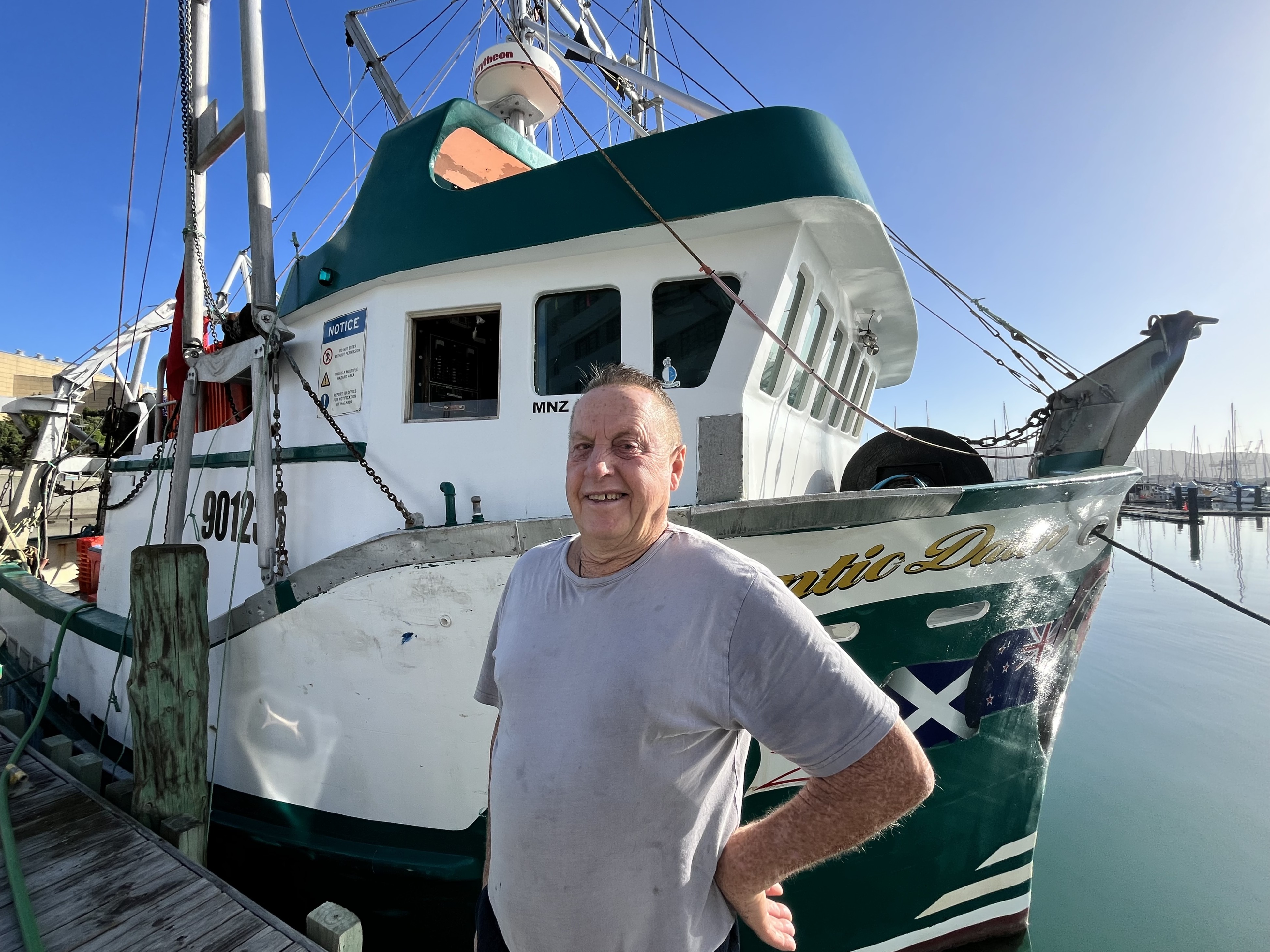
Mike Terry Sr. stands in front of his fishing vessel FV Atlantic Dawn docked in Napier. Photo: Seafood New Zealand.
For many fishermen in the Marlborough Sounds, shags prompt the utterance of four-letter expletives. The birds eat fish. Depending on the species, shags (also called cormorants) can be aggressive competitors for the same aims as anglers.
Mike Terry grew up in the Sounds, home to a handful of shags' species. Still, he did not give much mind to the seabirds’ comings and goings.
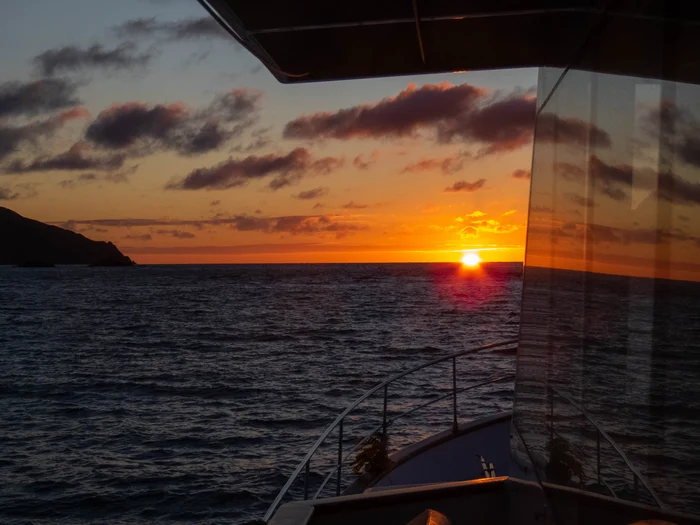
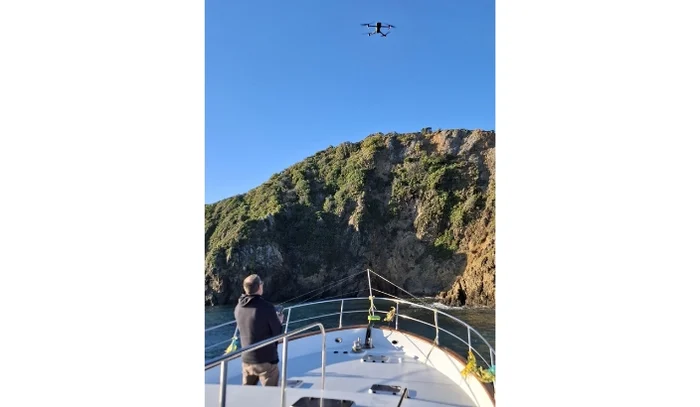
That changed a few weekends ago. The retired fisherman captained a vessel which took ornithologist Mike Bell and three other men on a three-day survey of local shag populations.
“I’d never actually done this before, so it was quite interesting for me,” the skipper said after docking in Havelock on 30 June. “I’ve cruised past them a lot of times but never paid a lot of attention to them.”
He will now. In fact, he offered to helm a follow-up trip in September.
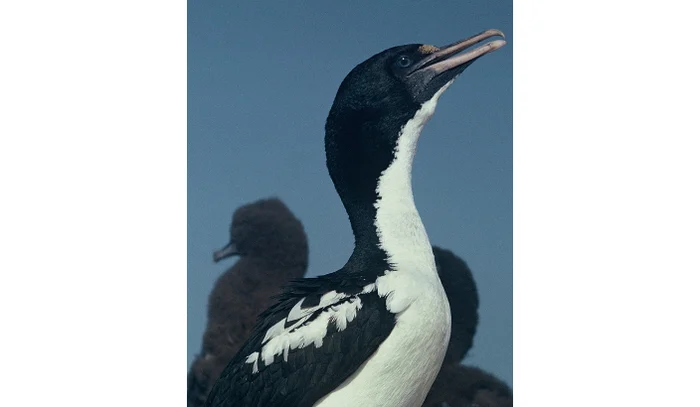
What this foray found, Mike the bird scientist said, was a decline in the number of king shags rather than migration to other nests nearby.
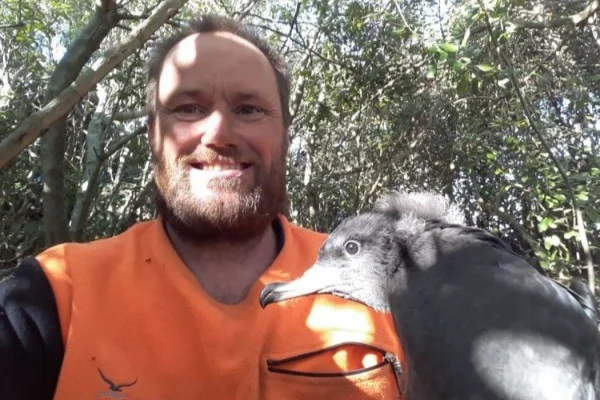
“It was what I expected to see, but it’s disappointing because it’s what I expected to see,” he recapped. “I didn’t expect to find anything, so it was kind of like proving a negative.”
Combined effort
Mike the mariner journeyed from Napier for this exploration of the waters where he was raised.
The other Mike and Adie Aston formed a second-generation duo: Adie's father, Pat, took Mike's father, Brian, on king shag counts around D’Urville Island and the Outer Sounds.
Roma Elkington brought iwi knowledge on board. Photographer Judah Gray rounded out the crew.
“I also enjoyed it immensely,” the ornithologist said, echoing the captain’s take. “I had at my disposal 150 years of knowledge of the area. I learned truckloads.”
Referring to shags as “the forgotten seabird”, he chose the Sounds because five species coexist here. (There are 12 species in New Zealand and 36 worldwide.)
Along with king shags, the Sounds are known to have pied shags, black shags, spotted shags and little shags.
Marlborough takes shags seriously. Council regulations establish a 100-metre setback for nests from marine traffic – or, put another way, prohibit operating a vessel within 100 metres of mapped nesting areas.
“Most people always want to go have a look at the boulders,” the nautical Mike observed. “They’re beautiful; they have the albatrosses and the shags and all those types of birds on them.”
The protection is crucial – as is cooperative effort embodied in the trip.
“It’s a great example,” the shag specialist stated. “A greenie like me working with a retired fisherman, with the fishing industry, and recreational boaters – that’s what Mike is now – can pull together and do stuff for wildlife.”