Marlborough Waters Ltd, an explanation
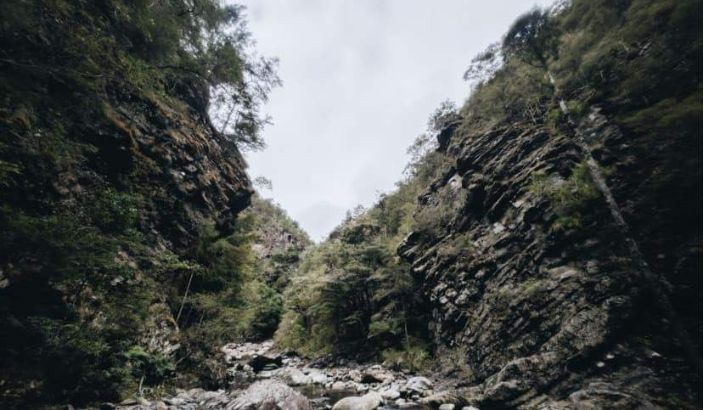
Water in the Wairau River, seen on 14 August, flows through channels and also percolates into the Wairau Aquifer, a source of sustenance for Marlburians. Photo: Evan Tuchinsky.
Water is a dry subject. I first made that quip in an agricultural region of California, where I served on a groundwater board – and I find it rings true, too, in Marlborough.
Kaikōura talk has predominated lately, for good reason. Should the merger go through, our region will reshape for decades if not generations.
Concurrently, another shift is moving forward, this one involving the resource many residents take for granted because it’s just a faucet or fountain away.
Council formed a subsidiary to provide drinking water, stormwater and wastewater services. This company, called Marlborough Waters Ltd, will assume Council’s responsibilities for these three lines on 1 July 2027.
Who is involved with Marlborough Waters, and how much sway do they have?
The first part has a clear answer. Councillors appointed a board comprising a local chair (Warren McNabb, who also chairs the Port Marlborough boar) and four directors (Pat Dougherty, Kevin Lavery, Murray Strong, Rōpata Taylor) from outside Marlborough.
They have significant authority, particularly in setting rates. That raised eyebrows during the last council meeting, with a set of expectations on the table. Councillors heard that an independent board has a measure of independence.
However, it’s not Marlborough Waters Unlimited; there are limits. Perhaps most importantly, MWL’s board cannot sell or privatise the water services organisation – period. Another constraining factor: Council, the 100 percent shareholder, can replace any or all directors.
Next steps include the board members convening and councillors finalising the framework. Coming as local governments consolidate, this decoupling in Marlborough merits watching.
Email [email protected] to reach the author.