
Four-legged heroes
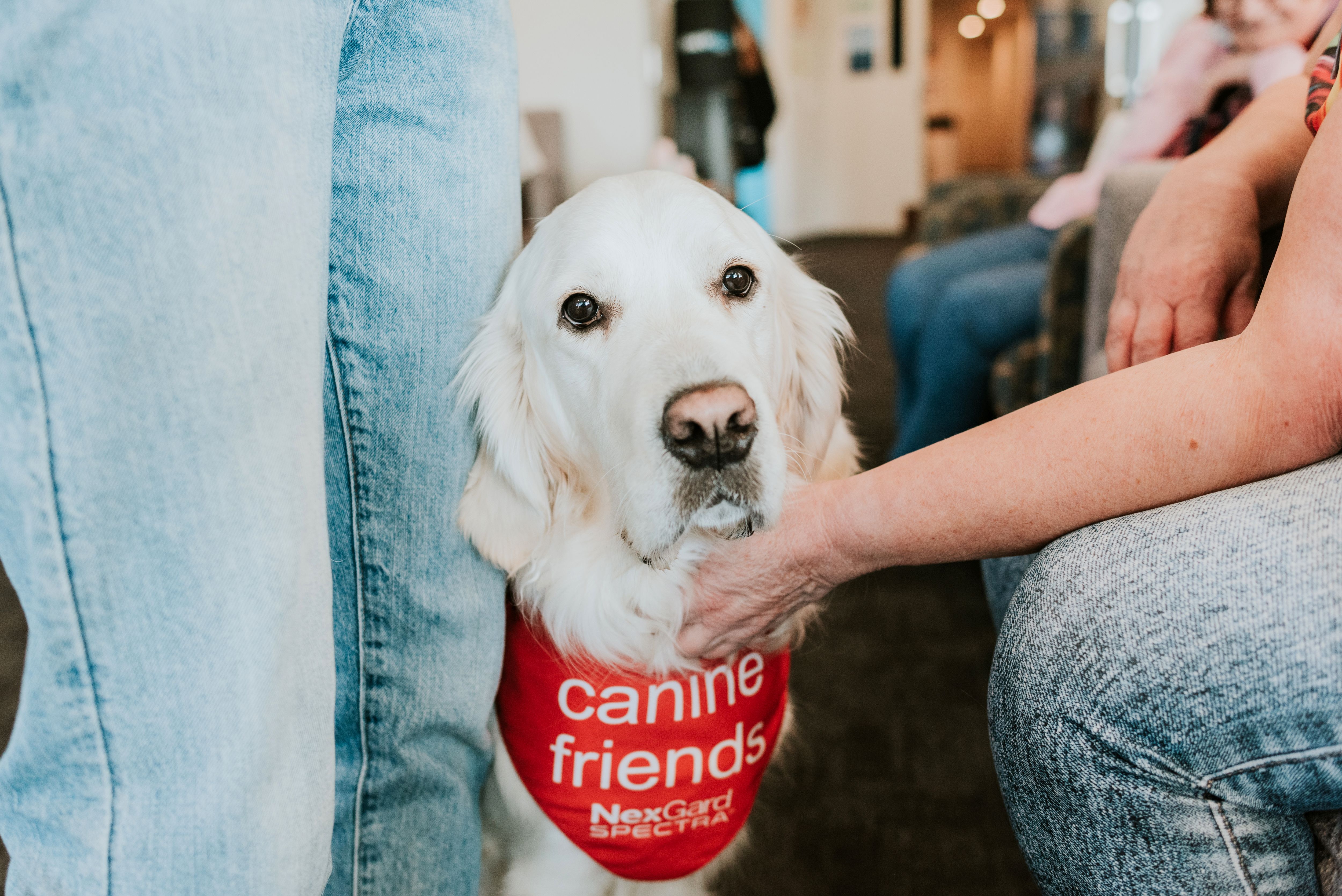
Across Marlborough, a remarkable group of dogs is quietly making a difference by visiting rest homes and community facilities, bringing joy to everyone they meet.
Dogs have a special talent for brightening our days, but some of our local canine companions are doing much more than fetching balls and claiming the best spot on the couch.
Across Marlborough, a remarkable group of dogs is quietly making a difference. They are visiting rest homes and community facilities, listening patiently as children read, offering companionship to people who may be lonely and bringing warmth and reassurance wherever they go.
Some seem instinctively to know when a person needs a little extra attention. Others win people over with a soft ear to pat, a gentle paw, a clever trick or simply their calm and comforting presence. Their visits create conversation and often bring smiles to residents, staff, families and children alike. We meet three local dogs and the dedicated people at the other end of the lead.
Words: Adrienne Matthews | Photos: Aimée Preston
Annie’s golden touch
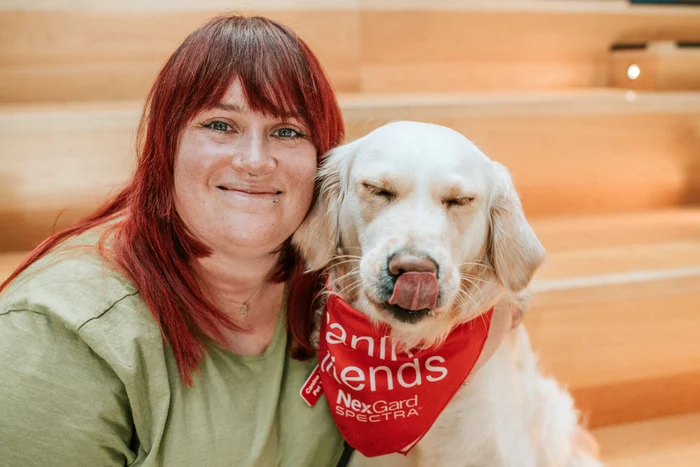
At just two and a half years old, Golden Retriever Annie is already proving that a gentle nature, good training and an enthusiasm for people can make a real difference in the community.
Her owner, Leah Lind, had not originally planned to get a Golden Retriever. She grew up with collies and other breeds, but when a friend’s dog gave birth while Leah was looking after her, the decision was made. “I felt as though I had to have one of the puppies after that,” she says laughing. “I was practically the midwife.”
Annie quickly showed herself to be affectionate, people-focused and eager to please. Leah put work into her training, beginning with puppy classes through the Blenheim Canine Association and continuing with further lessons. That preparation helped Annie qualify as a therapy dog after an assessment that tested how she responded to loud noises, walking frames, other dogs, food distractions and being separated from Leah.
Annie now volunteers through Canine Friends Pet Therapy, visiting a residential home for disabled adults each week. There, she spends time with the five residents, offering cuddles, playing in the garden and performing tricks for treats.
“She’ll give a paw or lie down, and the residents enjoy asking her to do things,” Leah says. “You can see the sense of achievement they get when she responds.”
During the school holidays, Annie visits the Marlborough Library for Reading to Dogs sessions. Children can bring a book and read to her, or stop for a pat.
At first, Annie was slightly overwhelmed by the flurry of small hands. Within minutes, however, she had rolled onto her back and was happily accepting a group belly rub.
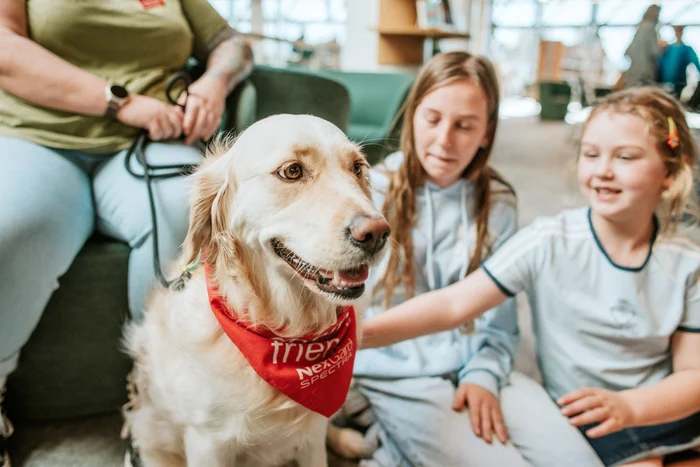
The sessions also give children a chance to practise approaching dogs calmly and asking permission before touching them. Leah has worked hard to teach Annie not to jump, an important skill for a friendly 30-kilogram dog.
For Leah, the visits are as rewarding as they are for the people Annie meets. “I love watching the interactions,” she says. “It makes me proud to see how well behaved she is and how much joy she brings.”
Whether listening to a story, offering a paw or chasing a ball, Annie has found a role that suits her perfectly.
Schnoodling in the community
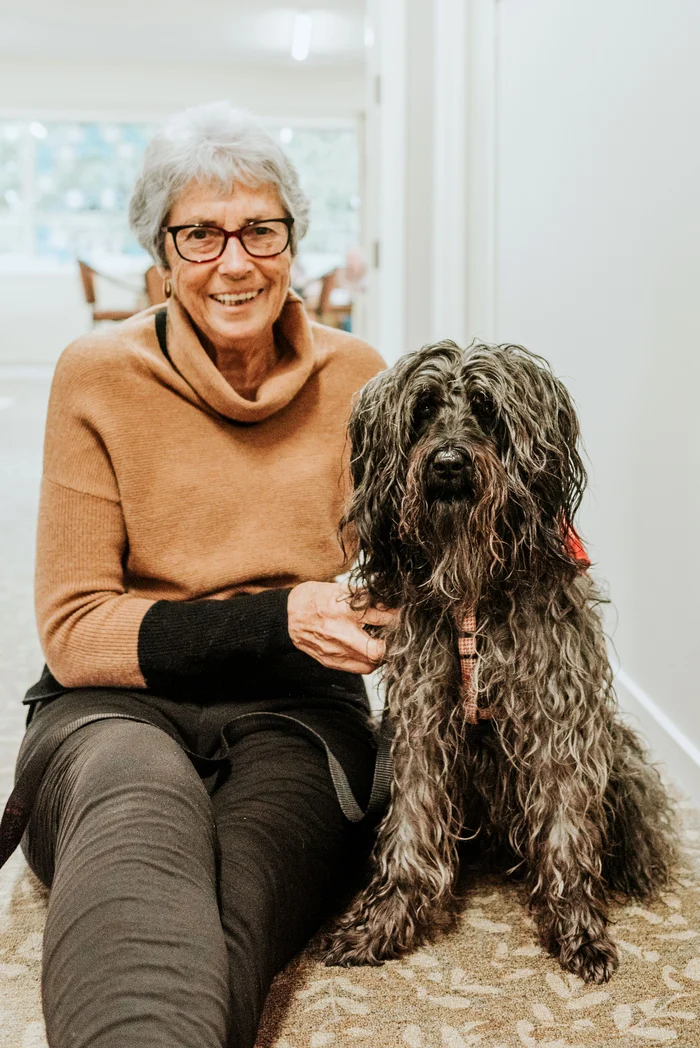
Schnoodle Oscar may be small enough for owner Annie Percy to lift into the bath, but his contribution to the Marlborough community is anything but small.
For almost eight years, Oscar has made weekly visits to Aberleigh Rest Home in Blenheim, where he and Annie move through five different units offering residents companionship, affection and a welcome connection with the outside world.
Annie chose a schnoodle when she retired because she wanted a manageable, non-shedding dog that was still, as she puts it, “a proper dog.” Oscar fitted the bill perfectly. He loves his twice-daily river walks, has plenty of personality and has grown into a thoughtful, reliable visitor.
He was only about 14 months old when he began his rest-home work and, Annie admits, was initially an enthusiastic youngster. Over time, however, he learnt the routine and now knows exactly where to go.
After Annie signs in, Oscar follows the familiar route through the home, sometimes stopping outside the rooms of residents he knows particularly well.
The visits unfold naturally. Some residents are eager to see him every week, while others choose when they feel like interacting. Annie never pushes the contact, allowing Oscar and each person to find their own rhythm.
One resident, who was blind and unable to walk, had owned animals throughout his life. Annie would announce their arrival, settle Oscar on his knee and chat while he gently ran his hands through the dog’s coat.
Many residents tell Annie how hard it was to leave a beloved cat or dog behind when they moved into care. “That’s why we come,” she says. “They can still put their hands through Oscar’s fur and have that contact with an animal.”
Oscar’s presence also brings warmth to dementia units, where he creates an easy point of conversation between residents, visiting partners and staff. Even as a puppy, he would return home exhausted from the attention, suggesting that the dogs give as much of themselves as they receive.
The visits are supported through Canine Friends Pet Therapy, which provides organisation, companionship and opportunities for volunteers and their dogs to meet.
Annie loves taking Oscar on his visits. “The residents love it, the staff love it, Oscar loves it and it’s good for me,” she says. “It’s a win all round.”
Soft ears and a big heart
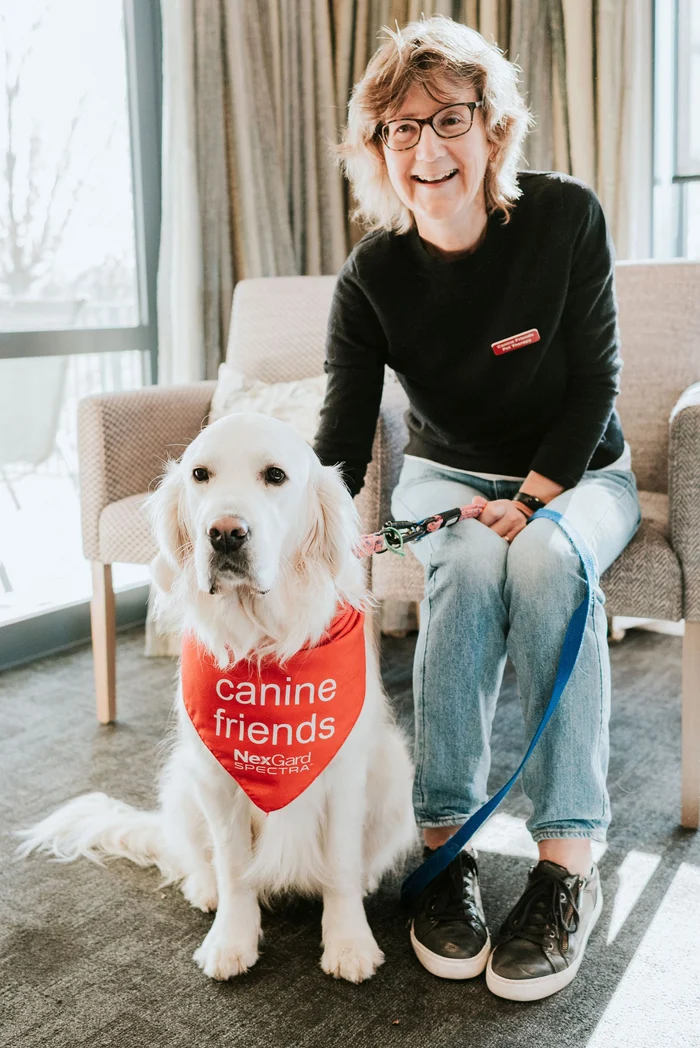
Golden Retriever Lucy knows when it is time to go to work. It’s when her red Canine Friends Pet Therapy bandana is put on.
Together with her owner, Ali Kay, Lucy visits the Alzheimer’s Forget Me Not Day Club and Redwood Village each week, bringing affection, companionship and a welcome change of pace to residents and staff.
“She walks around meeting people and is good at sensing those who need a little more attention,” says Ali. “She’ll nudge closer so they can pat her ears, which are very soft.”
Lucy is also an enthusiastic participant in group conversations. While everyone talks, she sits nearby listening, appearing keenly interested in every word.
Ali first recognised Lucy’s gift for connecting with people when she began taking her to visit the village where her mother lived. The pleasure she brought was immediate. “It wasn’t only the residents,” Ali says. “Staff would stop to talk to her too, and you would see these big smiles.”
For the past few years, the pair have volunteered through Canine Friends Pet Therapy. On Mondays, they spend time at the Forget Me Not Day Club, greeting everyone before Lucy gives a small demonstration of the skills she has learned through dog obedience and Rally-O.
On Wednesdays, the pair join residents at Redwood Village for morning tea. Regulars are always eager to hear Lucy’s latest news, including updates from her competitions.
At her first ribbon trial, Lucy spotted Ali’s husband outside the ring and promptly ran over to him, earning plenty of laughter. At her next attempt, she stayed on course and won a ribbon, much to the delight of her village supporters.
The friendships are genuine. Lucy knows whom she is looking for when she arrives, while residents remember her adventures and share stories of their own.
Ali says the visits offer her a sense of purpose and connection, and she is appreciative that both facilities coordinators are so welcoming and supportive. “You feel good knowing you have made somebody smile,” she says. “Sometimes people with arthritic hands reach out to pat her, and the gentle rhythm seems to help their fingers stretch. It is lovely to watch.”
The weekly commitment may be small, Ali says, but its impact can be enormous. “It warms your heart. Lucy brings people together, and that is a wonderful thing.”