Capping rates sparks bootstrapping debate
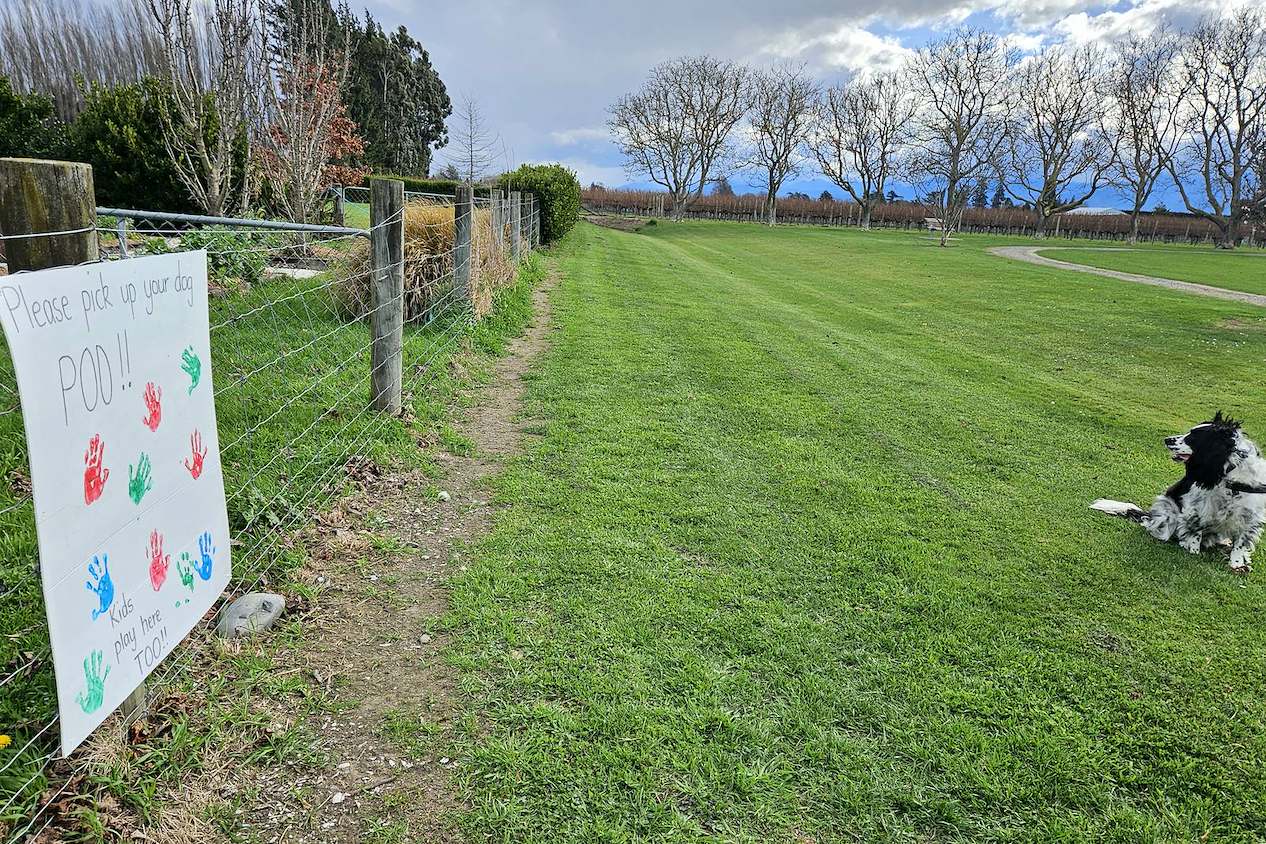
Maintaining public property, such as Sheps Park, falls under Council’s services. Photo: Evan Tuchinsky.
A simmering issue hit full boil last Tuesday (25 August) when Central Government announced legislation which would cap rates increases for local government at 4.0 percent.
Marlburians absorbed an uppercut of 6.81 percent in the financial plan that councillors approved for 2026-27. That hike sits just below the national average of 6.9 percent, according to RNZ, and places Marlborough District Council among the nearly 90 percent of entities above the proposed cap.
The same day as Government’s announcement, Council rolled out a media release titled (deep breath) “Rates capping risks undermining infrastructure investment and community services” (inhale again). In it, Deputy Mayor David Croad made four (ironically) main points:
• Council has to “absorb or pass on cost increases, most [coming] from areas outside of council’s control” including emergencies and the economy.
• Local government receives one-tenth of national tax revenue while funding one-third of infrastructure investment.
• The fixed cap could pinch services as “councils have very few funding tools available beyond rates”.
• Council could struggle to finance projects because loan interest “is directly linked to our ability to raise rates revenue”.
The first two are facts; the second two are assessments. Weigh them as you will.
Here’s the take of someone who approved fees and budgets in local government elsewhere: You get what you pay for – penny wise, pound foolish, or (as the saying goes) both.
Councillors, who pay rates themselves, set service levels and the calibre of services’ providers. What do we need to sustain our communities? Can we afford it? That’s the trade-off. Expecting more for less – from fewer – as costs rise is not, well, sustainable.
There’s no “right answer” to the rates-setting question, but there’s a lot to consider.
Email [email protected] to reach the author.