
Dairy sector fuels regional economic growth

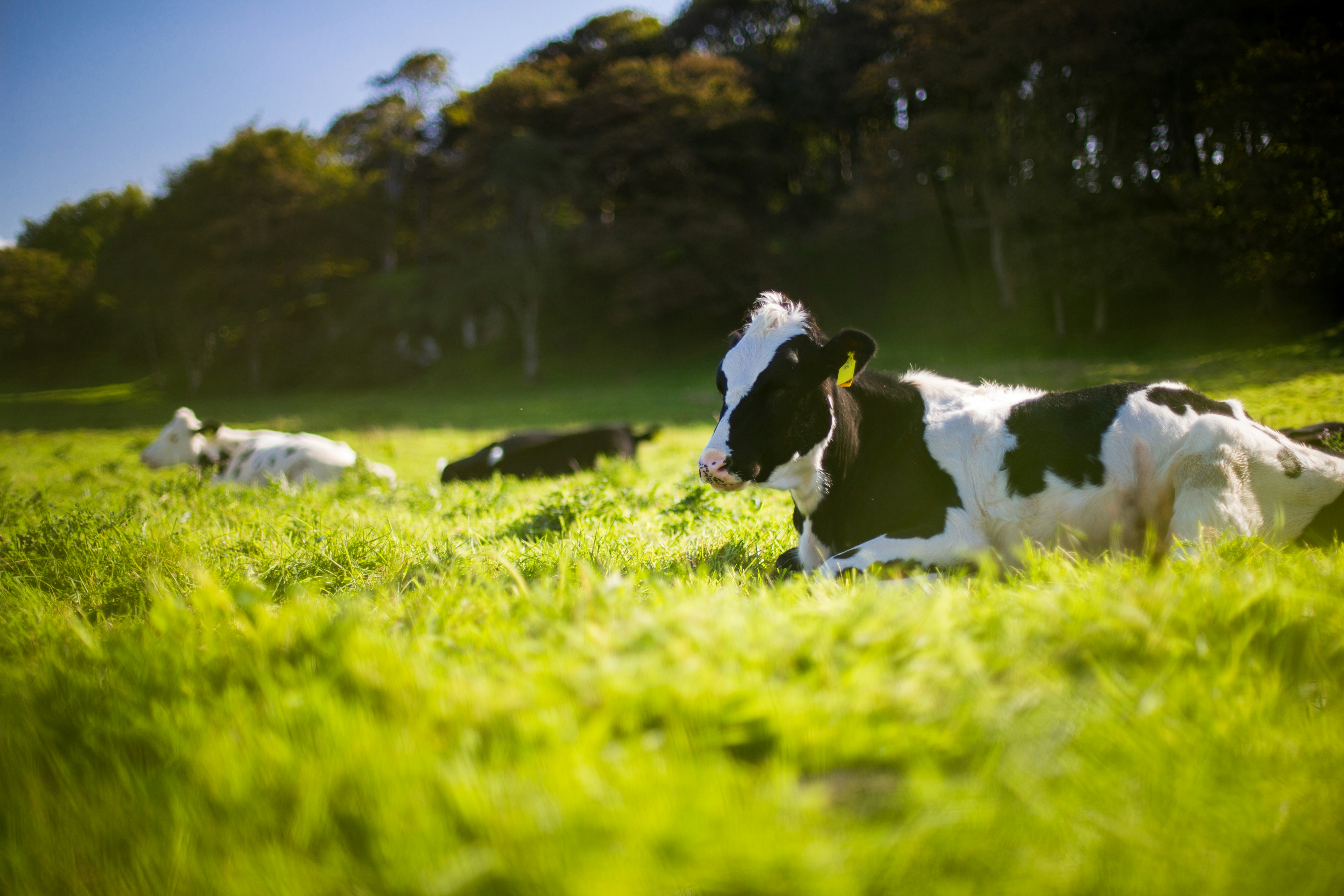
Dairy generates 12% of West Coast GDP and provides 1150 jobs on the West Coast. Photo: Andy Kelly.
New Zealand’s dairy sector remains the country’s largest export earner and one of its most significant economic drivers, according to new analysis released at the end of August.
The updated report by Sense Partners, commissioned by DairyNZ and the Dairy Companies Association of New Zealand (DCANZ), found the sector directly supports more than 51,000 jobs nationwide and plays a major role in supporting businesses across a wide range of industries.
Dairy’s economic impact is felt most strongly in regional New Zealand, where it underpins jobs, wages, local businesses and investment.
The report highlights the scale of dairy’s contribution in key regions. Dairy generates 12% of West Coast GDP, provides 1150 jobs on the West Coast and another 410 in Tasman, excluding self-employed workers.
Dairy exports reached $28.8 billion in the year to December 2025, making it New Zealand’s largest goods export sector by a wide margin. Because dairy farming is spread across the country, the benefits flow through regional economies in the form of local spending, jobs and investment.
New Zealand goods exports rose 26.8% over the five years to December 2025, reaching $80.5b.
Excluding dairy, goods exports increased 20.2%, or $8.7b, over the same period. Dairy exports grew 40.7%, or 7.1% a year on average, almost twice the 3.7% growth rate for other goods exports. Whole milk powder remains the largest dairy export product, accounting for 31.9% of dairy export value in the year to December 2025.
Its share has fallen from 40.7% in 2021 even though WMP export value has increased 10.2%, indicating a more diversified export mix. The lower WMP share reflects faster growth in other product groups. Butter and dairy spreads led the increase, rising 110% since 2021, or $3.2b, to reach $6.1b in 2025. Their share of total dairy exports rose from 14.1% to 21.0%.
DairyNZ head of economics Mark Storey says the industry’s success benefits communities well beyond farm boundaries.
“Backing dairy is about backing regional communities, economic growth and a more productive New Zealand,” he says.
DCANZ executive director Kimberly Crewther says dairy has continued to drive export growth despite global challenges.
“Since 2021, dairy has delivered $8.3 billion in additional export revenue, contributing almost half of New Zealand’s total goods export growth, supporting the national economy through a pandemic and geopolitical upheavals,” she says.
The report shows that between 2020 and 2024, wage-and-salary jobs fell by 1.8% a year on average, while selfemployment fell by 2.0% a year.
As milksolids production has not followed suit, it is reasonable to surmise that dairy farms are becoming more capital-deep and more productive in terms of production per labour unit. That is, farmers are increasingly using technology such as automatic teat sprayers and cup removers, collar technologies for drafting and virtual fencing in response to labour shortage
The report also highlights dairy’s connections with the wider economy.
Farmers and processors spend billions of dollars each year on goods and services, helping support jobs in sectors including transport, manufacturing, professional services, technology and rural contracting.
According to the analysis, dairy farming ranks among the top 10 purchasers of output from 35 other sectors, while dairy processing ranks in the top 10 for 25 sectors.
“Maintaining a competitive operating environment, including reliable and affordable energy, will be critical to ensuring New Zealand’s dairy sector can continue delivering jobs, export revenue and economic growth for the benefit of all New Zealanders,” Mark says.
By the numbers
- $28.8 billion in dairy exports in the year to December 2025
- More than 51,000 jobs directly supported nationwide
- $8.3 billion in additional export revenue since 2021
- 12% of West Coast GDP comes from dairy
- One in four South Taranaki jobs is linked to dairy
- More than 10,000 dairy employees in Waikato
- Nearly 50% of wages in Waimate district are dairy-related