
Bronze bug damages eucalyptus trees across Marlborough

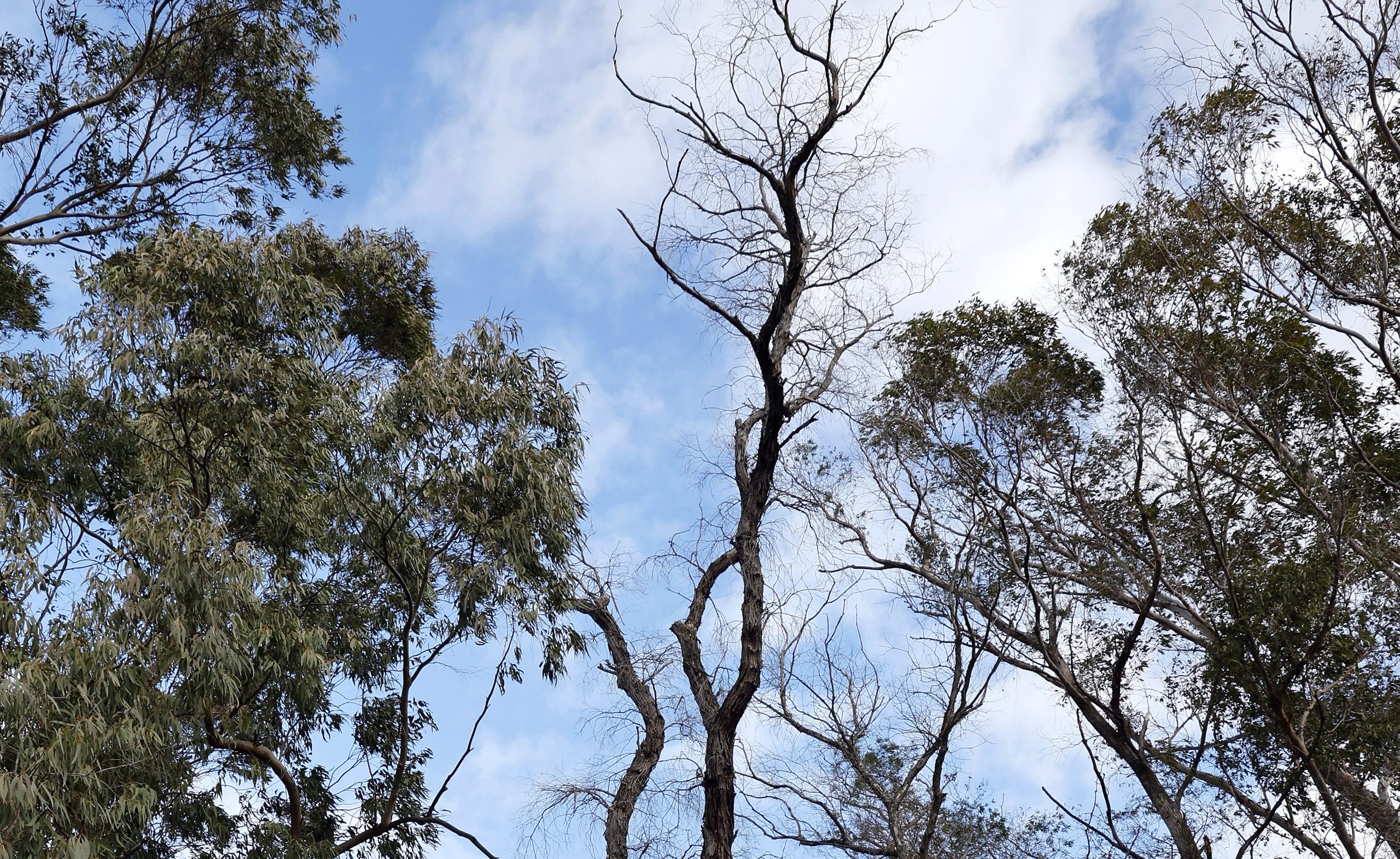
Bronze bug warning: A eucalyptus tree at Sheps Park shows signs of damage from bronze bugs. Photo: Anthony Phelps/Stuff.
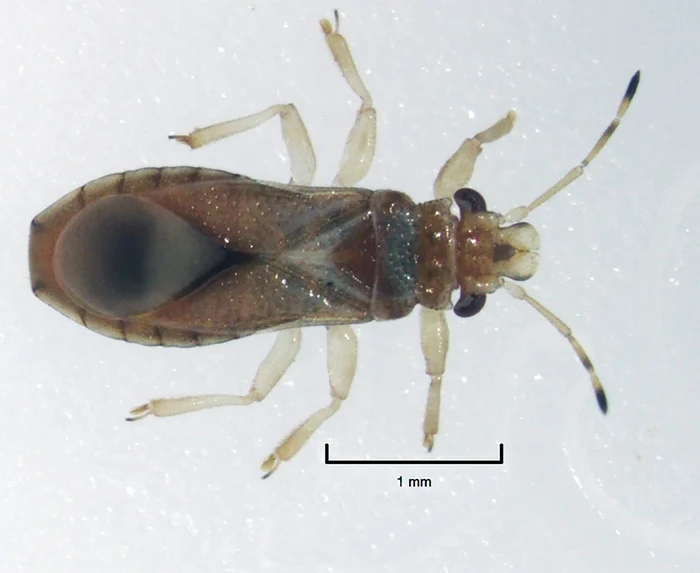
A bronze bug first detected in Auckland over 10 years ago has made its way to Marlborough, bringing eucalyptus trees down with it.
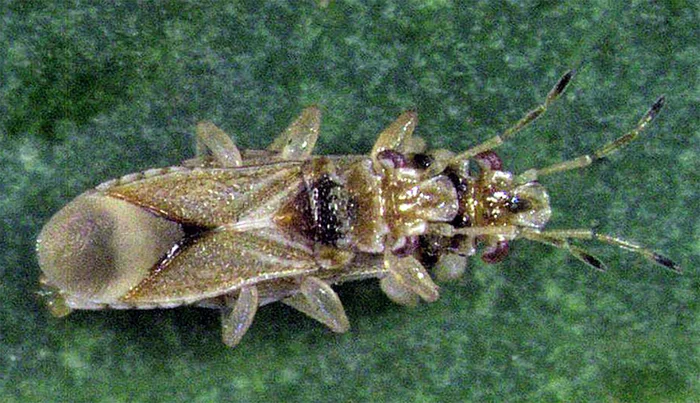
The bug, similar to the size of an ant, lays eggs on the leaves of eucalyptus viminalis, and according to a report that went to the Marlborough District Council’s assets and services committee, adults and nymphs could be found in large numbers on the leaves.
Their feeding results in the leaves turning from silver and spotted to rusty red, and in “severe infestations’” foliage withers and drops, which leads to branch dieback.
Council parks and open spaces planner Linda Craighead told the committee there were already a “few trees” that had to be cut down.
Marlborough District Council biosecurity manager Jono Underwood said the bronze bug was first found in New Zealand in 2012.
At the time there was an investigation into whether it could be eradicated, he said.
“It was determined that it was more than likely going to move, or establish within suitable climate envelopes in New Zealand,” Underwood said.
“It is unfortunately one of those situations with established invasive species that the options to intervene on broader scale in terms of a biosecurity context ... those options are past that point.
“There isn't any options available to prevent its establishment or remove it from Marlborough, so in those cases it comes back to, basically, asset protection.”
Underwood said it had definitely made its “presence” known in Marlborough and had likely arrived through natural dispersal.
“Arguably, it's been 11 years (since arriving in New Zealand), although there is commentary from some of the local tree health arborists that it may have been here for two or three years in Marlborough.”
He said people could want to explore treatments to protect their trees which involved the use of insecticides. That could also be necessary if a tree was infected, or becoming a public safety risk.
“In previous years there's been somewhat similar circumstances unfold with the likes of myrtle rust, which obviously was a natural arrival into New Zealand, but it was still a damaging organism, in that case, a rust.
“And similarly a few years back with the giant willow aphid ... by the time it was detected, it was obviously very widely established.
"It has had impacts in terms of willows, and also crossover impacts in terms of increasing wasp activity and the like.”
He said those who valued eucalyptus crops could be concerned, however it was not a huge industry for Marlborough.
“They may wish to intervene, but again that is their decision from an asset protection point of view, like a farmer with crops so to speak.”
But when it came to invasive species, the most important was indigenous ecosystems, or taonga species, he said.
“I don’t want to put a ranking on it, but there's invasive species that cause impacts on our primary systems, so that's not necessarily indigenous species, it's more often farm crops, trees, fish if we're talking aquaculture.
“That's still in the realm of biosecurity management ... trying to prevent invasive species causing impact, obviously they can prevent flow on impacts on productive systems and the economy.
“With eucalyptus, I guess there are people that value it, either from people growing eucalyptus gum trees as part of our dryer landscape here ... it does do OK in the dry conditions of Marlborough.
“It can be a valued exotic species, from a farm forestry side.”
The council report said it was waiting on a report from the Zealand Dryland Forests Innovation team to better understand the control measures before “formulating a plan”.
Public Interest Journalism funded through NZ on Air.