
Playing with Fire on the Flyer
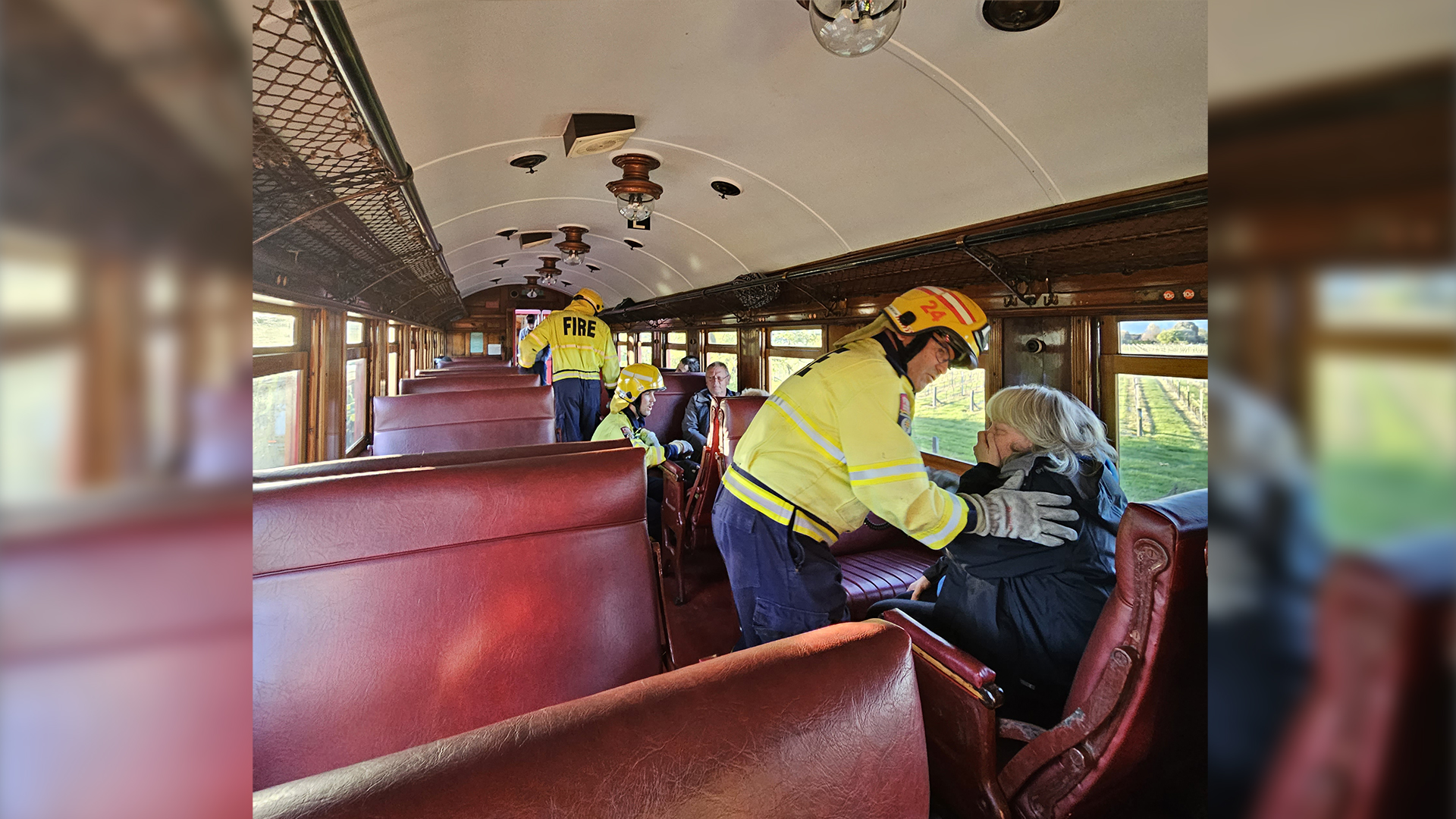
A 'casualty' is comforted onboard the train. Photo: William Woodworth
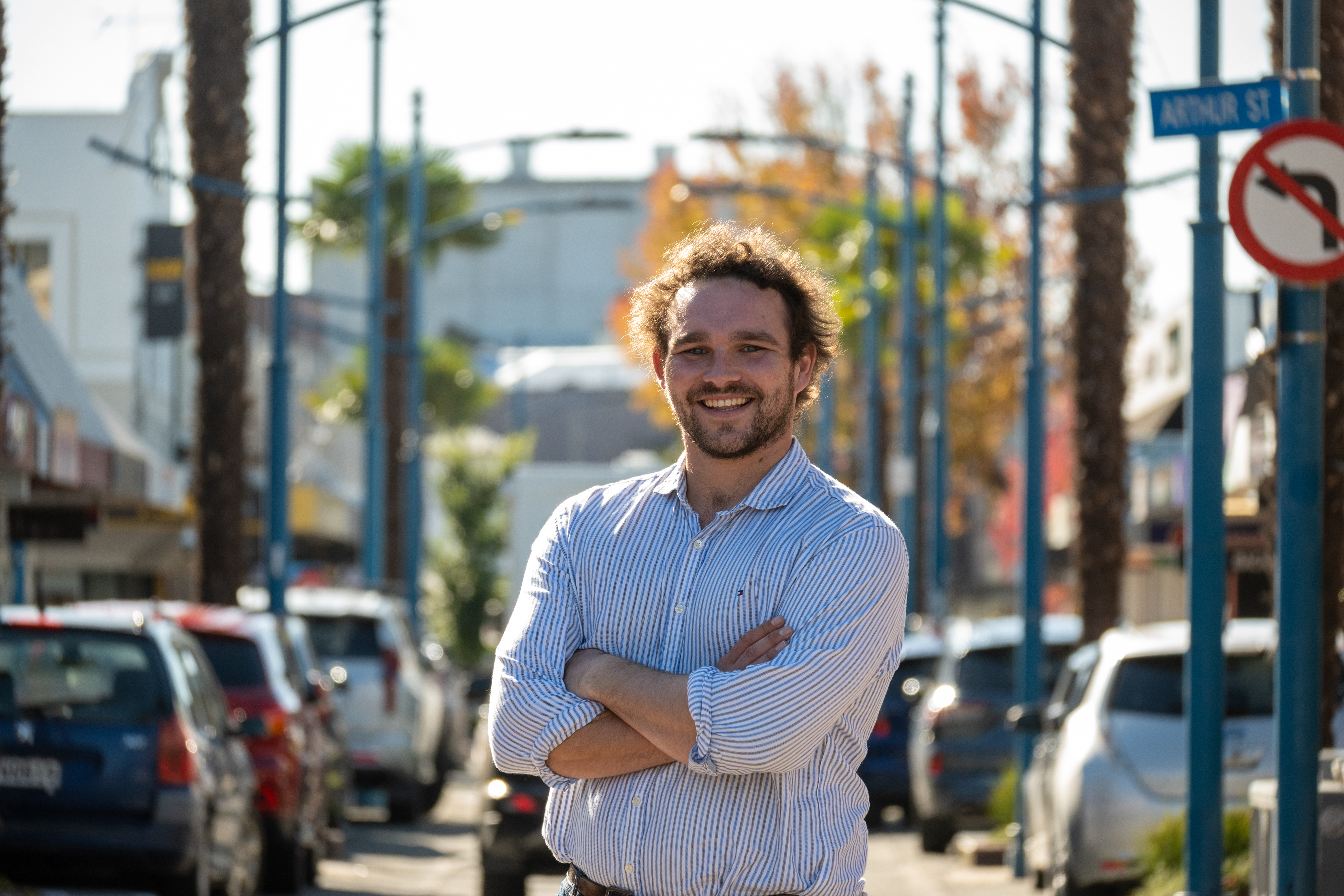
The famous Marlborough Flyer’s summer season resumed on Labour Day - reporter William Woodworth was invited aboard as a passenger, and as a volunteer casualty for a joint emergency services training, on their first run of the day earlier in the month.
The opportunity boarding the first Marlborough Flyer run of the season is one not offered to many.
So, I, alongside 39 other staff and members of the public, keenly jumped aboard vintage carriages for an incredibly insightful trip.
I quickly found myself following the rhythmic rocking of the old engine and loving the character of, and the company within, the carriages.
The eagerness of each person I chatted to throughout the sunny afternoon for the first Seddon run of the year was palpable.
Flyer volunteer Claire Colvin says that the first run after a long break is one of the best days of the year.
“Everyone onboard is happy to be here, and it’s a great community icon. People stop, smile and wave at the Flyer on every trip – it’s a moving train of spreading joy for so many people.
“There’s something about the rhythm and sound of the engine that makes it such an immersive experience, and volunteering was a way that I could have an excuse to come on often”.
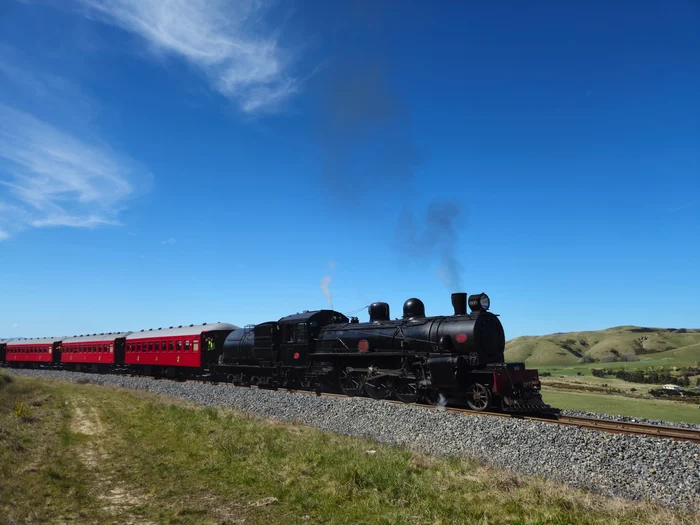
Steam Inc Train Manager Tommy Secker says the first run of the season was always important.
“After a long offseason of workshop training, we got an absolute ripsnorter of a Marlborough day to do field testing and ensure everything is up to task”.
Once we reached Seddon, the disconnected Passchendaele Memorial engine steamed off into the distance for testing, returning to reattach at the other end of the carriages.
We reembarked, then made tracks back through the South Marlborough sunshine, cruising through vineyards, clinging to hillsides and chugging through the evening’s light.
As the Flyer crossed through Riverlands we pulled to a halt as I – well, my character - imagined an almighty crash and being thrown across the aisle, cracking my head on the wooden panels and slipping into unconsciousness.
Passengers played to their injury instructions as bumps, bruises and broken bones appeared. I collapsed into my seat’s footwell to await rescue.
Around us, Marlborough’s emergency services jumped into crisis mode. Firefighters extinguished burning stand-in barrels, while St John paramedics treated wounds and rescued passengers with minor injuries.
Responders grabbed stretchers, transporting us incapacitated passengers to an inflatable field hospital where more serious medical actions were made.
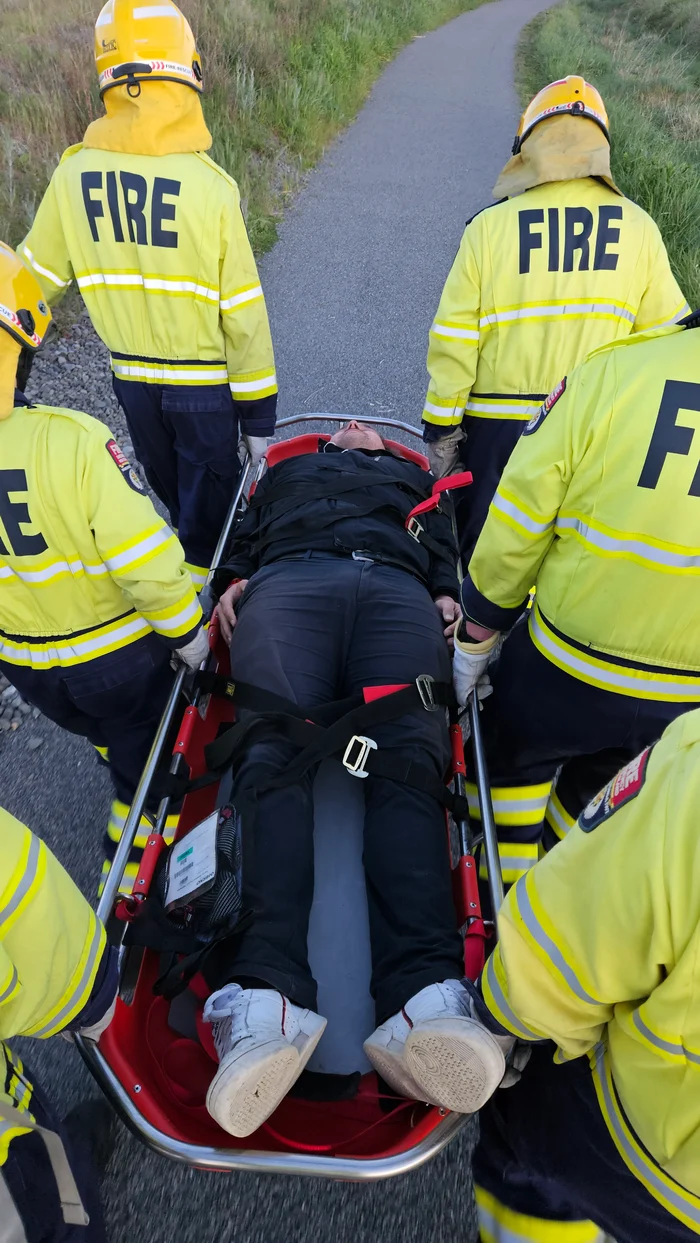
A whirlwind of friendly faces asked questions, checked my status and made moves to get me treated and discharged.
I was told after my figurative flight to hospital - which looked much more like a walk back to the train – three carriages derailed after hitting a car at a crossing.
There had also been a “no duff” delaying the operation as paramedics treated a real medical event and took a passenger to hospital.
Combining the first run, which Tommy says always gives him a confidence boost, with the training exercise was a crucial opportunity.
“It’s always great to get back into the swing of things for what everyone hopes will be a massive summer on the Flyer.
“Having everyone’s emergency procedures tested is always important – especially as a heritage train brings unique challenges to the emergency services”.
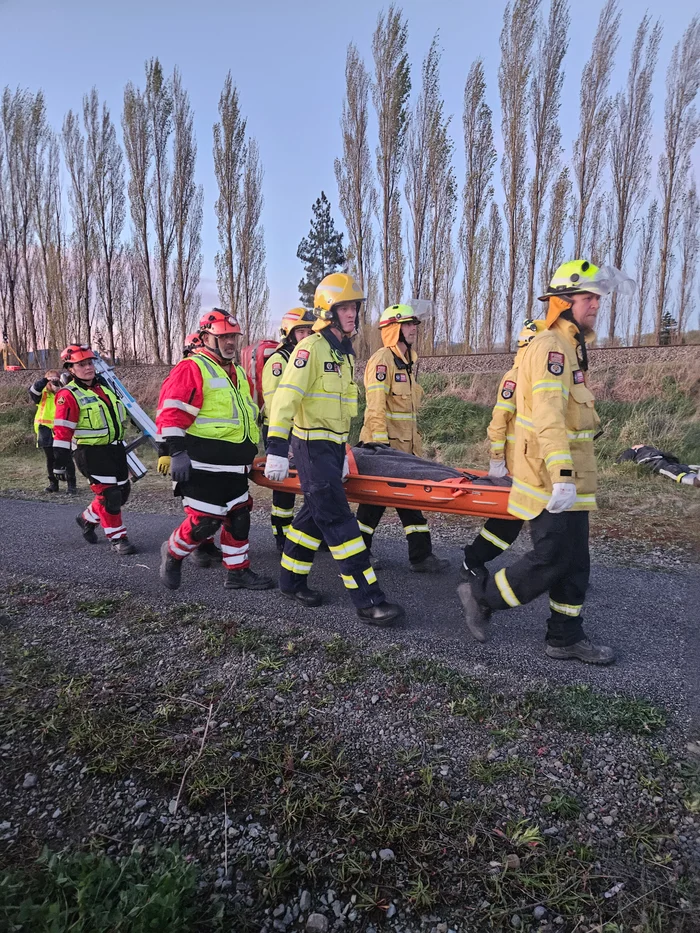
Pounamu Tourism Group operating manager Debbie Kirton was thrilled to see a new side to the Flyer’s health and safety processes.
“Having the chance to bring training for our staff, Steam Inc, FENZ, Police, St John and all of their systems doesn’t come around often”.
“From being able to run through our own emergency processes and ensure everything is in running order to knowing more about what would happen if a major incident actually occurred – it’s great to see everyone in action”.
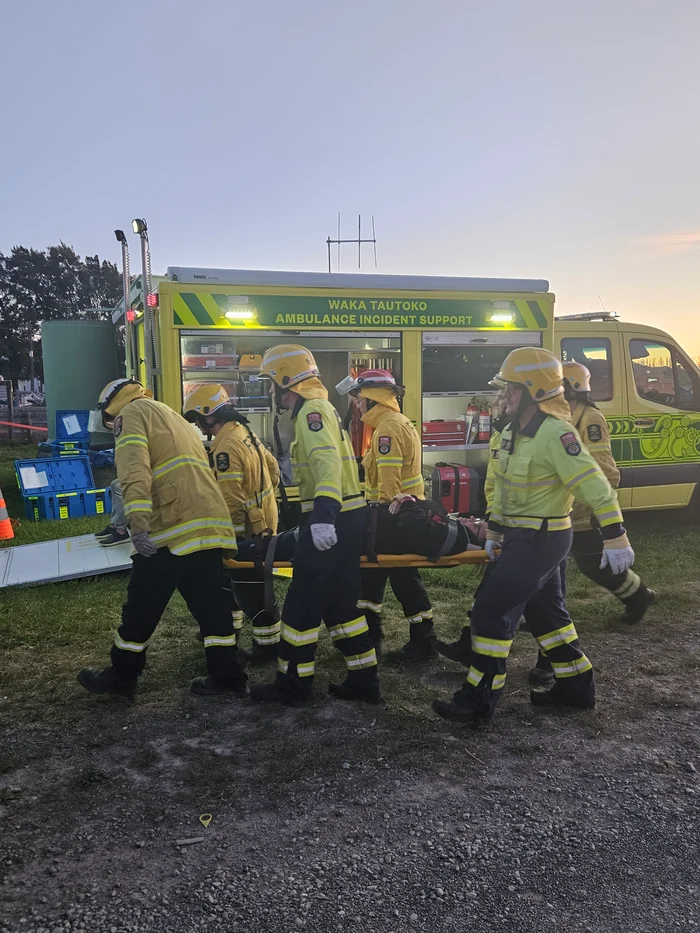
Assistant Commander of FENZ Nelson-Marlborough Paul Manson was just as pleased to have the collaborative opportunity.
“Although this was a train incident it was designed to prepare us for any large mass casualty incident, testing each organisations emergency plans and was a huge credit to all involved”.
“We don’t ever want to have to deal with a mass casualty event, there is always the chance of something happening due to the number of trains, ferries, cruise ships, aircraft, and buses in the region.”
“There is a lot of learnings that will better prepare us - this is not the end of the exercise as we will be testing our emergency operations centre next month using this same incident to deal with ongoing casualties, transport network issues and welfare needs.
“We could not be prouder of all our emergency services working closely together, along with all the patients who made the incident so realistic”.