
Marlborough’s big dry shuts off Wairau River water takes

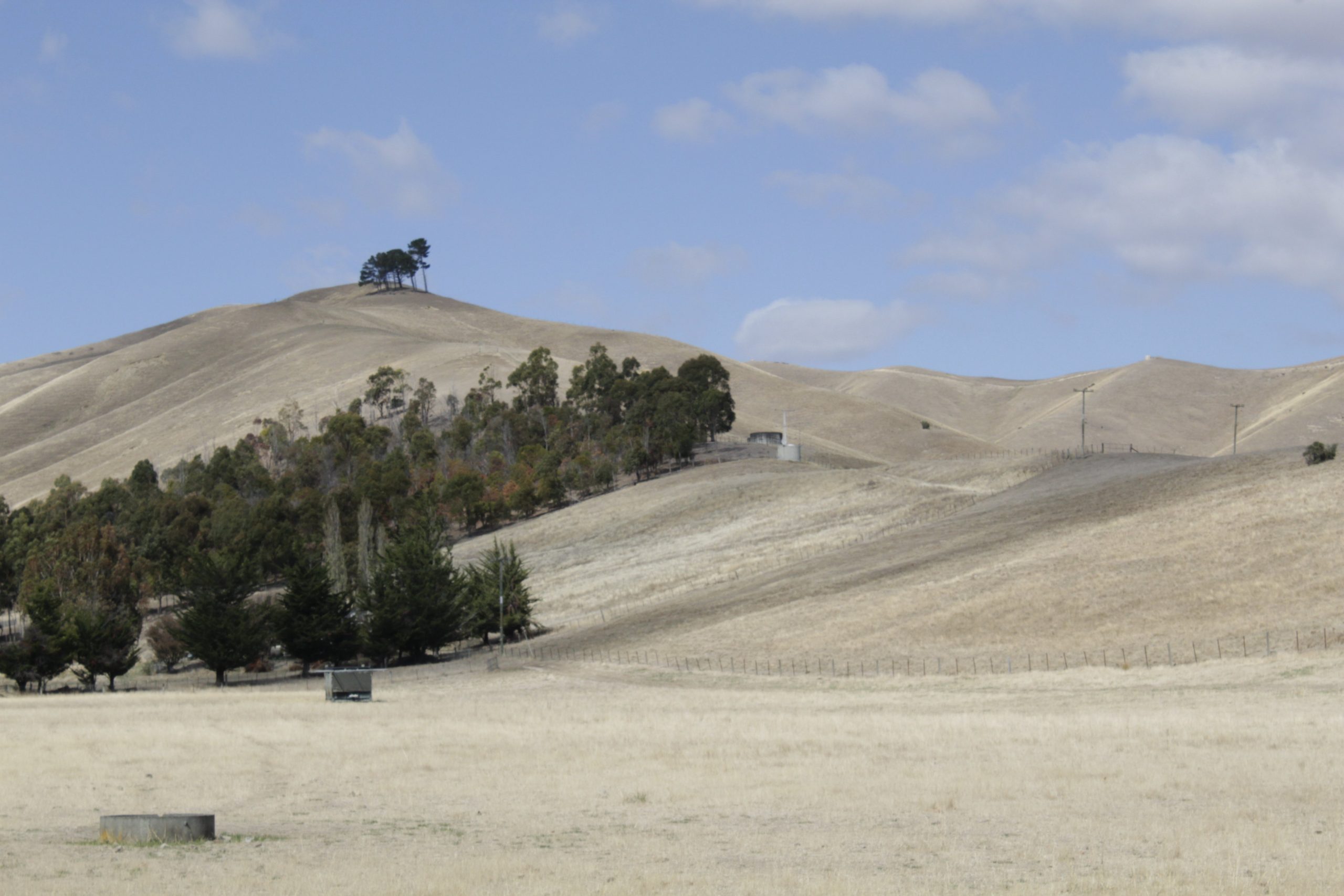
The Wither Hills Farm Park are particularly pale on March 14, the day a drought is been declared in the top of the south. SUPPLIED: STUFF
Water consents for taking from the Wairau River have been shut off, a week after a drought was declared in Marlborough.
The shut off on Thursday morning affects about 120 consent holders connected to the Southern Valleys Irrigation Scheme, according to a council spokesperson.
However, the spokesperson said the flow was expected to be high enough on Friday morning to allow it to be turned back on.
“At least for the short term.”
Plant and Food research scientist Rob Agnew told a council committee last week irrigators had “dodged a bullet” with their - up until then - continued water take.
Although, he said he had anecdotally heard of at least one winery having to cart water in for its operations.
Agnew, who was “slightly addicted” to checking river levels through the council’s website, said the Wairau River had got down pretty low.
He also told the council’s Environment and Planning committee he had been “scratching his head” over why a drought had yet to be declared in Marlborough given the weather data.
Less than two hours later, the Government announced the top of the south was in a drought.

Agriculture Minister Todd McClay categorised the drought as a medium-scale adverse event, which opened up Government-funded support options.
Council surface water hydrologist Charlotte Tomlinson agreed with Agnew, and said at the meeting on March 14 water restrictions had been “quite moderate”.
“We've been incredibly lucky with small amounts of rainfall arriving, sort of just in the nick of time, delaying some of our total shut offs,” she said.
However, Renwick and Picton were running on reduced water capacity, and there was no significant rain forecast, she said.
Marlborough District Council groundwater scientist Peter Davidson warned that springs in the region were dry, and the Wairau aquifer was empty.
The aquifer was the main groundwater system under the Wairau Plain and a source of irrigation, drinking and stock water.
Water seeping from the Wairau River into the aquifer was the main way it recharged. Its levels had dropped since 1973.
“Right now we’re at rock bottom ... for the season,” Davidson said.
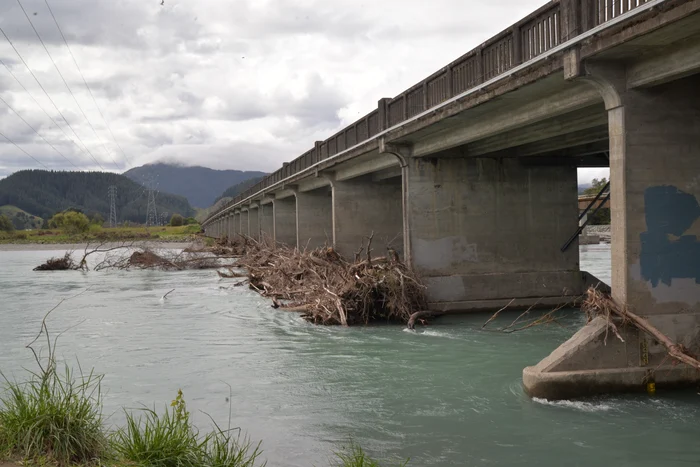
The Conders Bend near Renwick, as an example, was at its lowest levels ever measured, since records began in 1973.
Davidson also showed a photo of Murphys Creek, a major contributor to the Taylor River, which at the back of a residential property was empty.
The owner of the property reckoned he had never seen that before, Davidson told the committee.
“What we see here is mimicked right across the plains. Right across to the top of the Spring Creek,” he says.
He said the community and council needed to decide what was an “acceptable spring state”.
“We need to define those ... we don't want to dry out the Taylor River every summer.
“Certainly right now the springs are dry. That aquifer is empty. We can't take any more water.”
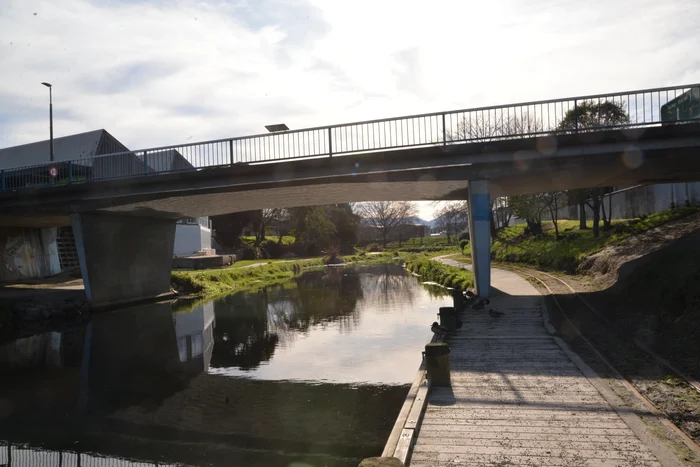
Davidson said since 2022, the region had seen “very big swings” in the amount of water it had, “from extremely high levels of water to right now”.
“We manage for a deficit most of the time, we've talked about managing for excessive levels.
“But we've got some very rigid ways of managing water, and we really need to look at some more dynamic ways.
“Certainly if the trends continue, the amount of water that we've got for allocation will continue to shrink.”
Agnew also shared the latest weather data with the council, released at the start of this month.
Data collected from the Blenheim meteorological station showed the summer of 2023-24 was the second driest on record, with just 32.8mm of rain falling through the entire season, less than a quarter of the long-term average of 138mm.
The nine-month period between June 2023 and February 2024 was the driest on record, over 94 years.

LDR is local body journalism co-funded by RNZ and NZ On Air.