Tough road ahead for Sounds residents

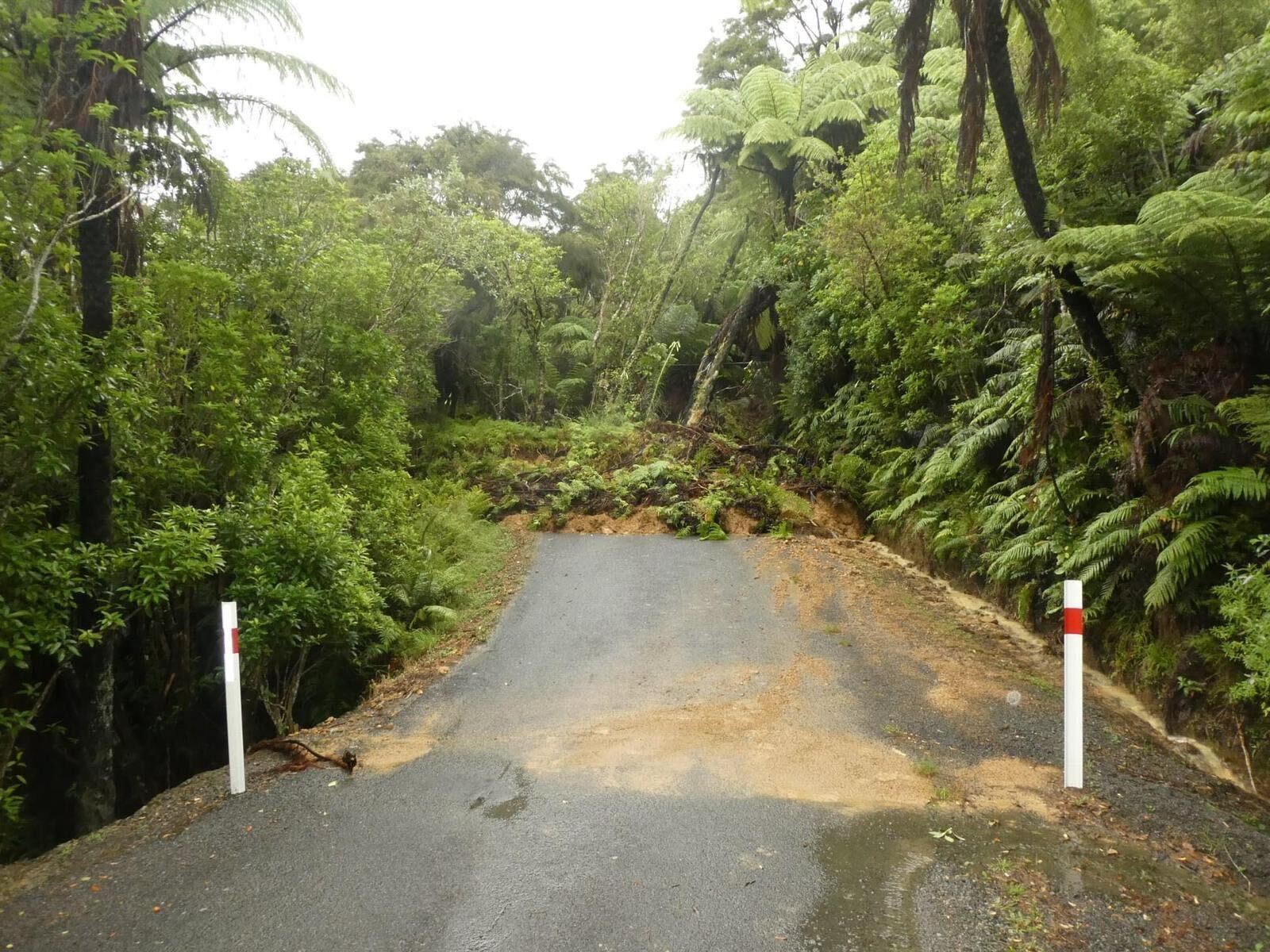
Parts of the Marlborough Sounds were impassable by road after the storm in August 2023. Photo: File
Extreme weather wiped out their roads but now Marlborough Sounds residents are a step closer to finding out about the fix.
Residents in the sounds were cut off from the rest of the region by the severe storms in 2021 and August 2022.
Now council bosses hope Government will pledge support to help build tougher and more resilient roads.
But while all options for new roads are investigated further, residents are in limbo, with a final decision still weeks away.
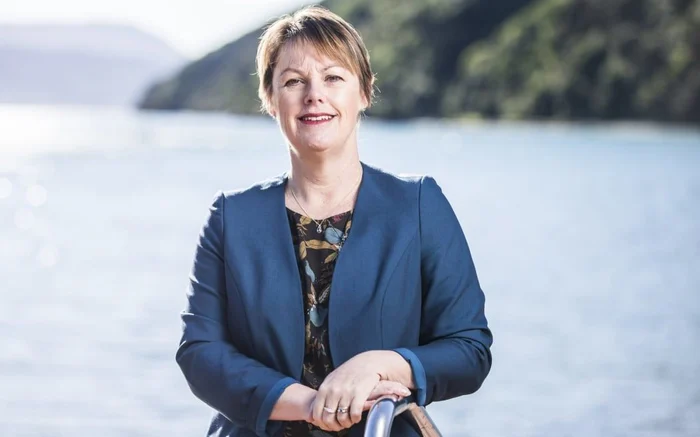
Mayor Nadine Taylor says progress is being made on what is a complex problem, sparked by severe flooding in the region in 2021 and in August 2022.
“My hope is that the Government will come to the party and help us build a road and marine network that is far more resilient than the old one was.
“Unfortunately for affected homeowners and businesses in the Sounds, there is still a long way to go before we’ll have a fully-fledged, costed and funded plan.
“I know there is nothing worse than uncertainty and my heart goes out to residents and businesses who currently feel they are in limbo.”
Engineering consultancy Stantec is preparing a business case on behalf of Council and Waka Kotahi to fund a new road and marine transport network.
Almost 1500 people attended public meetings and responded to a survey to help build a picture of the issues residents and businesses face.
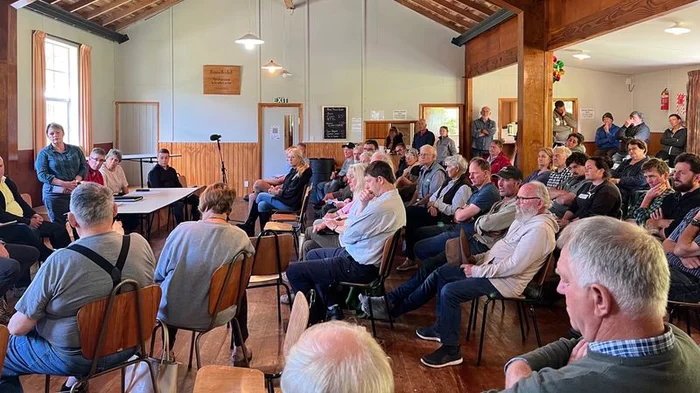
Public feedback and a range of technical criteria will help pave the way forward for new transport options.
Council hopes to soon to be able to propose a preferred option for each of the five areas in the Sounds: Rai Valley to French Pass, including Tennyson Inlet and D’Urville Island, Pelorus including Kaiuma Bay Road, Kenepuru Road and the outer Sounds, Queen Charlotte Drive; and Port Underwood.
There are currently 29 options on the table, with costs expected to run well into the hundreds of millions of dollars.
Council recently made a request to Waka Kotahi for a further $52.4m to complete repairs for areas mostly outside the Sounds Future Access area but it does include some work to hold and maintain current roading standards in the Sounds.
The Marlborough ratepaying community is unlikely to accept large rates increases to repair rural roads that may be subject to further severe weather events, Nadine warned.
Stantec and Council have also talked with iwi and stakeholders like DOC, Marlborough Lines, the emergency services and community associations.
“The only plus in this whole process is that it gives everyone the chance to take a long, hard look at what a safe and resilient transport in the Sounds could look like in the long term,” Nadine says.
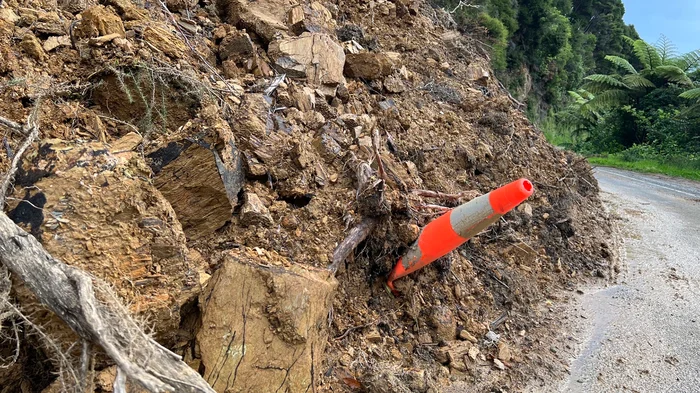
Work is underway to replace 30 damaged culverts while repairs to some road pavements for improved vehicle access is continuing.
On the unsealed roads there is grading and gravelling work underway. The Recovery Team’s work programme is managed and funded independently of the outcome of the Marlborough Sounds Future Access Study.
The council expect to make their preferred option public by mid to late June, holding public drop-in sessions in Blenheim and the Sounds.